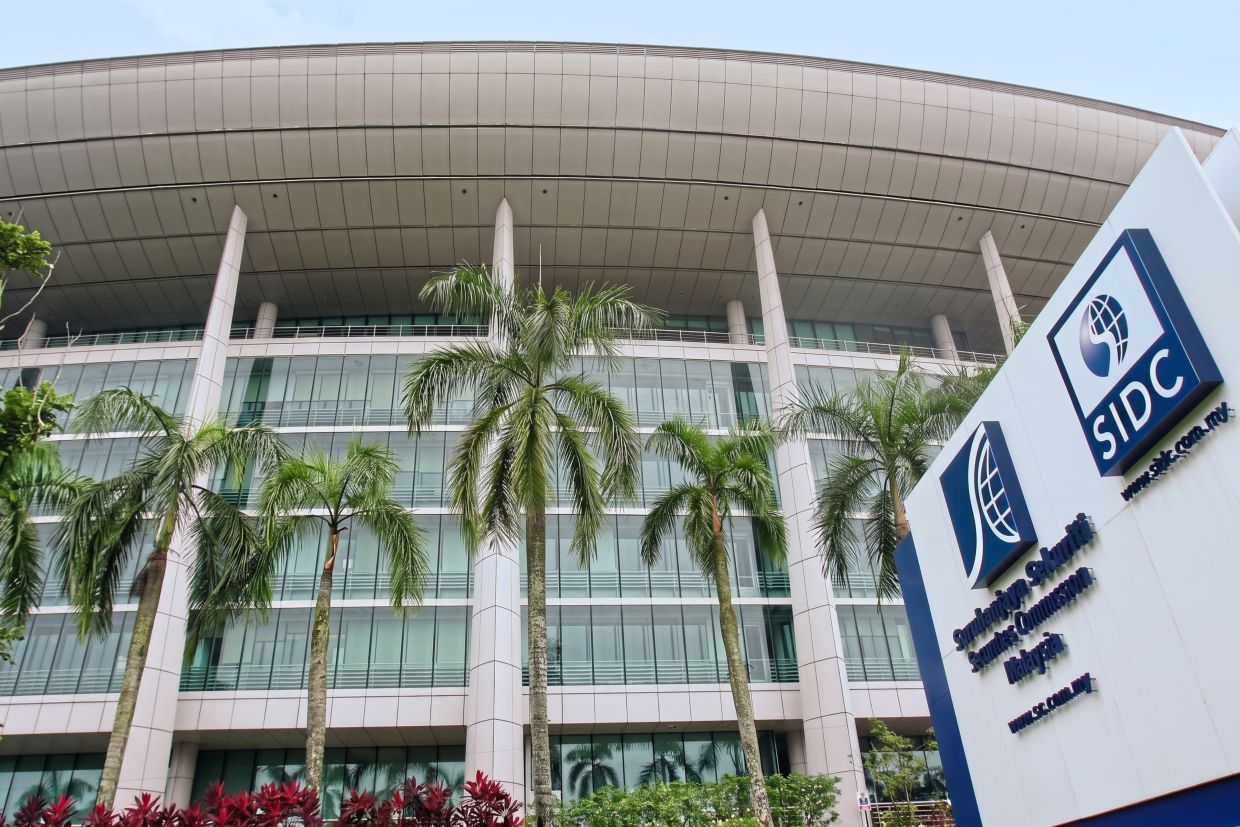
The Securities Commission Malaysia (SC) has initiated legal proceedings against three brothers at three separate Kuala Lumpur Sessions Courts, marking a significant enforcement action against unlicensed capital market activities in the country. Anuar Hassan, Mohd Amin Hassan, and Amir Hassan face a combined total of multiple charges relating to conducting a securities dealing business without proper regulatory authorisation from the SC. The scale of the charges underscores the regulator's commitment to policing Malaysia's capital markets and protecting retail investors from unscrupulous operators operating outside the formal financial system.
Mohd Amin Hassan faces a solitary charge under section 58(1) of the Capital Markets and Services Act 2007 (CMSA) for engaging in securities dealing activities without a licence. The court granted him bail of RM30,000, secured through two Malaysian sureties. In addition to the financial conditions, Amin has been required to surrender his passport to the court and submit to monthly reporting obligations with the SC's investigating officer. These stringent bail conditions reflect judicial concerns about the severity of capital market violations and the potential for flight risk or further breaches during the trial process.
Anuar and Amir Hassan were jointly charged with two offences under section 58(1) of the CMSA, read in conjunction with section 34 of the Penal Code, which pertains to criminal conspiracy or abetment. Each received individual bail amounts of RM30,000 with two sureties required for each defendant. The invocation of the Penal Code's conspiracy provisions suggests the prosecution believes the brothers acted in concert to conduct the unlicensed operations, rather than operating independently. Both men have been subjected to the same reporting and passport surrender requirements as their brother.
In a separate proceeding, Amin and Amir faced an additional charge under section 58(1) of the CMSA, again read with section 34 of the Penal Code. For these charges, their respective bail was set at RM20,000 each with two sureties, marginally lower than their joint charges, with similar additional conditions imposed by the court. The lower bail amount may reflect the prosecution's assessment of this particular charge as marginally less serious than others in the combined indictment.
Amir Hassan additionally faces two standalone charges under section 58(1) of the CMSA, carrying a bail of RM30,000 with corresponding reporting and passport conditions. This suggests Amir's alleged involvement extended beyond the joint ventures with his brothers, potentially indicating either a larger individual role or separate instances of unlicensed dealing. The concentration of charges against Amir across multiple court proceedings indicates prosecutors view him as significantly implicated in the broader scheme.
Anuar Hassan and Amin Hassan were jointly charged with one further count under section 58(1) of the CMSA read with section 34 of the Penal Code, for which they each received bail of RM30,000 with two sureties. Anuar faces yet another independent charge under section 58(1) of the CMSA alone, also granted bail of RM30,000 with similar conditions. The multiplicity of charges spread across the three defendants and various court sittings indicates the SC's investigation uncovered multiple instances or instances across different periods and jurisdictions of unlicensed securities dealings.
All charges centre on the fundamental allegation that the three brothers conducted a capital market dealing business without securing the mandatory SC Capital Markets Services Licence. In Malaysia's heavily regulated financial environment, operating as a securities dealer or investment adviser without appropriate licensing represents a serious breach of the regulatory framework designed to safeguard public funds. The CMSA licensing requirements exist precisely to ensure that individuals handling client investments meet stringent competency, integrity, and capital adequacy standards.
The alleged offences span from March 2019 through October 2019, with activities traced across multiple jurisdictions including Kuala Lumpur, Putrajaya, Selangor, and Johor. This geographic spread suggests a potentially sophisticated operation extending beyond a single location, possibly operating across several states to solicit investors or conduct transactions. The eight-month window provides insight into how long such undetected operations may persist before regulatory intervention.
All three brothers have claimed trial, indicating they contest the charges rather than entering guilty pleas. This stance prolongs the legal process and commits the SC to proving its case beyond reasonable doubt in court proceedings. The decision to contest carries implications for the timeline of resolution and the resources required for prosecution and investigation.
Conviction on any of these charges carries substantial penalties, with potential fines reaching RM10 million and imprisonment for up to 10 years, or both. These maximum sentences reflect Parliament's assessment of the severity of unlicensed financial services provision and its capacity to cause substantial harm to investors and market integrity. Even sentences significantly below these maximums would constitute serious criminal consequences for the accused.
The enforcement action assumes particular significance for Malaysian investors and the broader financial services sector. Unlicensed operators frequently target unsophisticated investors with promises of superior returns, then misappropriate funds or deliver non-existent investment products. By prosecuting such operators, the SC demonstrates its active policing of the securities market and sends deterrent signals to others contemplating similar schemes. The case also highlights how financial crimes can operate across state boundaries, necessitating coordinated regulatory responses and inter-agency cooperation among enforcement authorities in different jurisdictions.
For investors and the public, this case underscores the importance of verifying whether financial advisers and dealers hold proper SC licensing before entrusting them with funds. The SC maintains publicly accessible registers of licensed entities that consumers should consult before engaging with any investment service provider. Given the sophisticated nature of some unlicensed operators and their ability to operate across multiple states simultaneously, investor vigilance remains an essential supplementary safeguard alongside regulatory enforcement.

