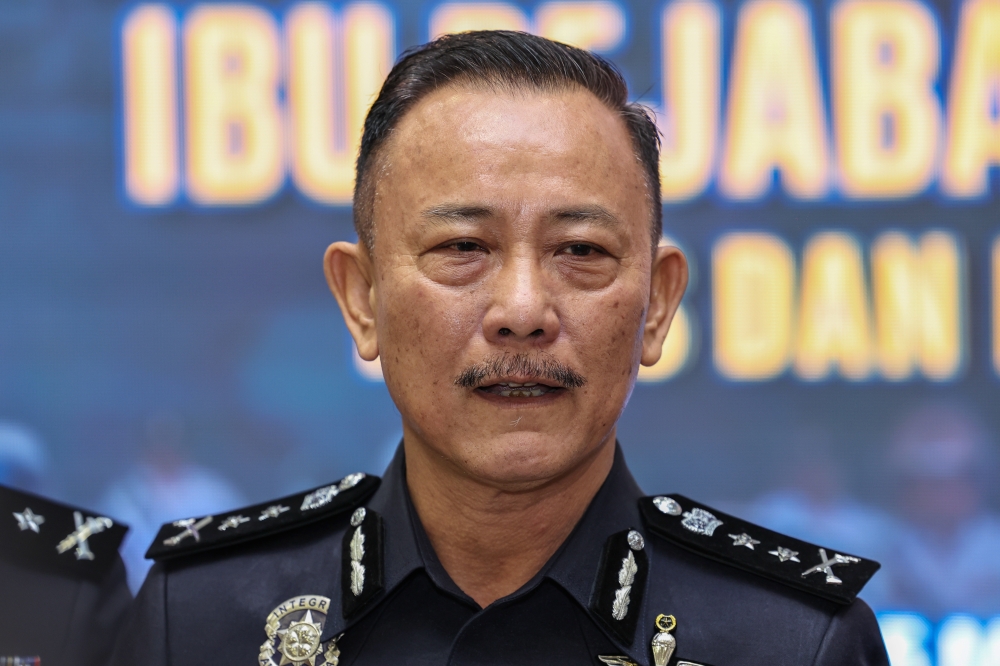
Police in Johor Bahru have moved swiftly to apprehend three men following the grim discovery of a missing person's body in a river, escalating what began as a disappearance into a potential criminal matter. The arrests mark the initial phase of an active investigation, with officers working to establish the precise circumstances surrounding the man's death and his time missing before being found.
The discovery of the deceased individual represents a turning point in what authorities had been treating as a missing persons case. Located in a river within Johor Bahru's jurisdiction, the body's recovery triggered immediate protocol steps, including forensic examination and the initiation of preliminary witness statements. The location of the remains proved crucial in narrowing the focus of investigators and identifying individuals with potential knowledge of the incident.
The three men now in custody are assisting police with their inquiries, a standard procedure in Malaysian law enforcement that allows investigators to gather preliminary information before determining whether formal charges will follow. The arrests do not automatically indicate guilt or even that charges will be filed, but rather reflect police confidence that these individuals possess relevant information connected to the case. Their cooperation during this phase could prove instrumental in establishing a timeline of events and locating additional evidence.
Investigations of this nature typically proceed through multiple stages, beginning with reconstruction of the missing person's final movements and interactions during the period he disappeared. Officers will cross-reference witness accounts, examine any available surveillance footage from the area, and conduct forensic analysis of the body to determine the cause and approximate time of death. Such details often prove decisive in moving from suspicion to substantive criminal charges.
The incident underscores broader concerns around personal safety in Johor, Malaysia's southernmost mainland state and a region that regularly features in crime reporting. Johor Bahru, the state capital, has experienced various categories of criminal activity in recent years, from gang-related violence to property crime, making public awareness campaigns and law enforcement visibility consistent priorities for local authorities. Tragic discoveries such as this one typically prompt renewed scrutiny of policing resources and preventive measures within affected communities.
For families of missing persons across Malaysia, such cases carry particular resonance, as they highlight both the vulnerability of individuals who vanish and the eventual importance of thorough police investigation. The speed with which authorities moved from the missing person report to recovery of remains to arrest of suspects reflects established protocols, though the outcome remains deeply distressing for those connected to the deceased. The emotional toll on relatives extends through investigation phases that can span weeks or months.
The jurisdictional context matters significantly here, as Johor Bahru police operate under the broader Royal Malaysia Police framework while maintaining specialized units for serious crimes. The involvement of river-based evidence adds complexity, as water can obscure cause of death, complicate forensic timelines, and present challenges for investigators attempting to establish whether an incident was accidental or criminal in nature. Preliminary examination of the body would have prioritized these determinations.
As the investigation progresses, authorities will likely focus on establishing motive and opportunity among the detained men. Relationships between the deceased and those in custody, financial circumstances, and any history of conflict could all feature prominently. The three-person dimension suggests investigators may believe multiple individuals were involved in events leading to the man's death, whether directly or through knowledge and potential concealment of information.
Public interest in the case will likely intensify as details emerge through official statements and media reporting. Such incidents often prompt broader community conversations about safety, the reliability of law enforcement response, and prevention measures residents can adopt. In Johor Bahru's context, with its bustling commercial activity and diverse population, heightened awareness following major crimes typically leads to increased police patrols and community reporting of suspicious activity.
The investigation's eventual resolution—whether through formal charges, trial proceedings, or closure of the case file—will take considerable time. Malaysian criminal procedure requires substantial evidence compilation, witness testimony documentation, and legal review before prosecutors can proceed with charges. For the bereaved family, this extended process represents both a pursuit of justice and a prolonged period of uncertainty and grief. The coming weeks will prove critical in determining whether the detained men face criminal liability or eventual release pending further investigation.

