Most Malaysians spend their working hours trapped between two sources of skin damage: the tropical sun outside their windows and the blue light radiating from computer screens and smartphones. Whether you're answering emails by a sunlit office window or hunched over a laptop throughout the afternoon, your skin is under constant assault from invisible radiation that accelerates ageing. The consequences accumulate silently, manifesting years later as fine lines, deepening wrinkles, stubborn dark spots, and uneven pigmentation that no amount of evening skincare can fully reverse.
The science behind photoaging reveals a sobering reality that many Malaysians have yet to fully grasp. Approximately 80 percent of visible skin ageing is directly attributable to daily, incidental exposure to ultraviolet rays and environmental pollution—not the dramatic sunburn you get during a rare beach holiday. This means the damage is happening during your ordinary commute, your lunch break at an outdoor food court, and even during what feels like a protected indoor day. The tropical climate in Malaysia compounds this risk significantly, with year-round intense UV radiation and high humidity that can compromise the skin barrier and increase oxidative stress.
What makes this predicament particularly insidious is the false sense of security that many people have about indoor protection. A substantial 25 percent of oxidative cellular damage is actually induced by high-energy visible blue light—the same light emitted by the smartphone screens, laptop monitors, and LED lighting fixtures that dominate modern indoor environments. This means that even if you successfully avoided the sun, your eight-hour workday spent in front of digital devices is still ageing your skin at a cellular level. For Malaysian office workers, particularly in major urban centres like Kuala Lumpur, Penang, and Johor Bahru where long commutes and high-stress desk jobs are standard, this represents a significant and often overlooked health concern.
Dermatologists and skincare experts are increasingly emphasizing that effective skin defence requires consistent daily application of protective products regardless of whether you're spending the day indoors or outdoors. Dr Syairah Nadia Mohamad, chief executive officer of Radiant Clinique, underscores the critical importance of this message: the skin makes no distinction between a sunny day and an indoor workday when it comes to accumulated damage. This cumulative impact means that skipping sunscreen on cloudy days or when you're working from home can still result in significant long-term skin deterioration. The challenge for many Malaysians is integrating sun protection into already-crowded morning routines, particularly in a climate where heat and humidity make many traditional sunscreens feel uncomfortable and sticky.
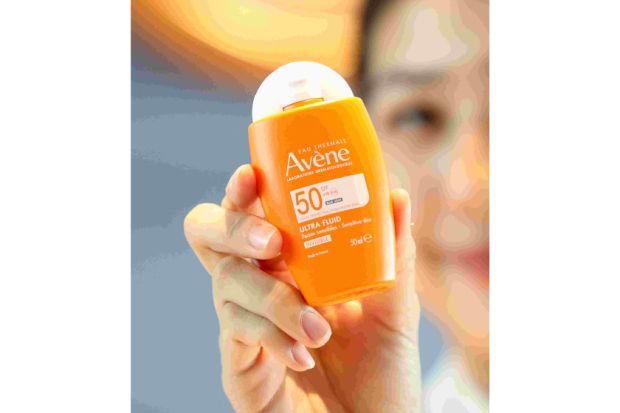
Recognizing this consumer pain point, skincare brands have begun developing solutions specifically designed for everyday tropical use. Eau Thermale Avene recently introduced its Ultra Fluid Range, unveiled at an experiential launch event in July 2026, which comprises four sunscreen variants tailored to different skin types and lifestyle needs. The collection is built around the brand's proprietary TriAsorB sun filter, an advanced broad-spectrum technology engineered to shield facial skin from daily UVA and UVB exposure while extending protection to blue light wavelengths. This comprehensive approach acknowledges the multi-faceted nature of modern skin damage in ways that older sunscreen formulations simply do not.
Cristiana Irimescu, Asia export business director for Pierre Fabre Singapore Pte Ltd, frames this innovation as resolving a long-standing consumer dilemma that has plagued the skincare industry for decades. For far too long, consumers have been forced to choose between prioritizing genuine skin health and maintaining cosmetic elegance—applying traditional high-SPF sunscreens often meant accepting a heavy, greasy texture, visible white cast, or difficulty layering with makeup. This trade-off has discouraged many people from adopting consistent sun protection habits, particularly in Southeast Asia where cosmetic appearance and makeup application are significant aspects of professional and social presentation. The new generation of ultra-light formulations promises to eliminate these barriers by delivering serious protection in a texture that feels barely there on the skin.
The technological advancement centres on creating an ultra-fluid texture that is approximately twice as light as standard sunscreen formulations, allowing for rapid absorption in just one second without leaving any sticky residue, white cast, or unpleasant cosmetic appearance. This matters considerably for Malaysian consumers who live in a hot, humid climate where traditional sunscreens can feel suffocating and heavy within minutes of application. The formula maintains its integrity throughout the day despite perspiration and air conditioning fluctuations, ensuring consistent protection during typical work environments where temperature varies dramatically between outdoor heat and aggressive indoor air conditioning.
Beyond texture innovation, the Ultra Fluid Range emphasizes clean formulation principles that are increasingly important to conscious consumers across Southeast Asia. The products contain no silicone, no alcohol, and no controversial chemical filters, making them suitable for sensitive skin while remaining tough on environmental stressors including pollution particles and oxidative free radicals. This clean approach reflects growing consumer awareness in Malaysia and the region about the cumulative effects of chemical exposure, particularly as air quality concerns mount in major cities. The absence of potentially irritating ingredients makes daily application more sustainable as a long-term habit, since consumers with reactive skin won't experience sensitization from repeated use.
The introduction of four distinct variants within the range acknowledges a fundamental principle that dermatologists have long recognized: no two skin types, lifestyles, or daily schedules are identical. Some consumers require formulations emphasizing hydration for dry climates, others need oil control for tropical humidity, while still others have specific sensitivities or prefer tinted options for seamless integration with their makeup routines. This modular approach to sun protection allows each individual Malaysian consumer to select the variant that aligns with their particular skin condition and daily routine, removing the common excuse that available sunscreens don't match personal requirements.
For Malaysian professionals navigating the triple threat of tropical UV intensity, constant digital screen exposure, and high humidity, the implications are clear: sun protection must become as non-negotiable as brushing teeth. The data demonstrating that 80 percent of lifetime sun exposure occurs during ordinary, daily life activities rather than vacation scenarios fundamentally reframes how we should think about dermatological prevention. Every commute through Kuala Lumpur traffic, every lunch break, every afternoon at an office desk—these routine exposures collectively dwarf the occasional beach holiday in their cumulative impact on skin ageing. Making sun protection feel effortless and genuinely pleasant, rather than like a tedious chore that compromises your appearance, represents the key to establishing habits that will protect skin health across the decades.
Ultimately, the modern sunscreen innovation landscape reflects a maturation in understanding how contemporary lifestyles actually damage skin, moving beyond simplistic beach-focused narratives to address the complex reality of urban living in tropical regions. When a product feels as light as water and fits seamlessly into your existing routine—layering easily with serums and makeup without requiring adjustment—protection becomes second nature rather than a burden. For Malaysians genuinely concerned about premature ageing, the message is straightforward: invest in a high-quality daily sunscreen suited to your specific skin type, and apply it consistently regardless of weather, location, or planned sun exposure. The photoaging visible in your skin five or ten years from now will directly reflect the protection decisions you make today.

