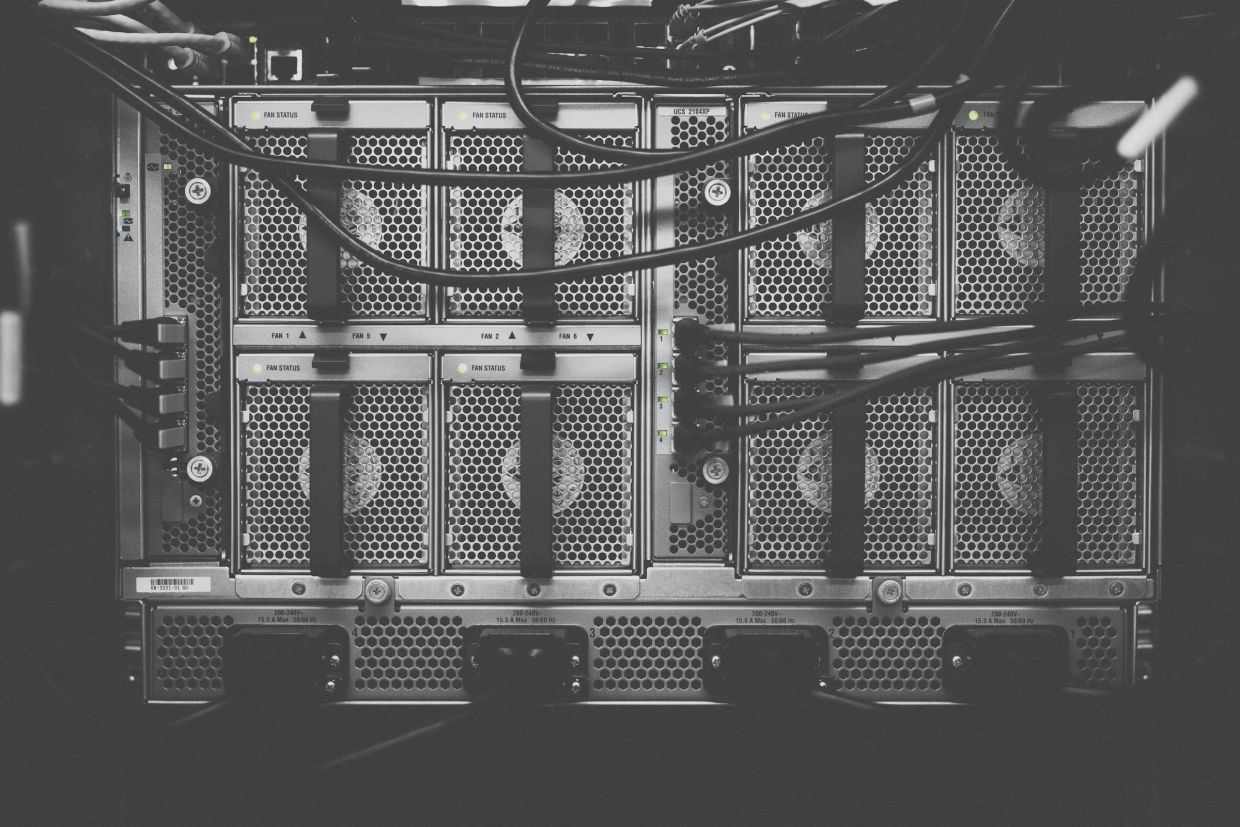
The infrastructure powering the artificial intelligence revolution carries an unexpected burden—a relentless, inescapable hum that keeps people awake at night and threatens the peace of neighbourhoods far beyond what most would consider reasonable industrial impact. What should be invisible technology operating safely in the background has instead become a palpable, physical presence that residents describe as resembling a helicopter permanently hovering over their homes or a heavy-duty truck that never stops running. The cooling systems, generators, and fans required to keep these massive computing facilities operating produce vibrations and low-frequency sounds that can be detected hundreds of feet away and sometimes up to a mile or more, fundamentally transforming the acoustic environment of surrounding communities.
The proliferation of data centres reflects the infrastructure boom necessary to support artificial intelligence expansion across North America. The United States now hosts more than 3,000 operational data centres with an additional 1,500 currently under development, according to analysis by the Pew Research Center. These sprawling industrial complexes, filled with thousands of servers and processors running continuous operations, have long formed the backbone of the digital economy, typically functioning out of public view. However, the computational demands of AI have dramatically accelerated construction schedules and expanded the geographic footprint of these facilities into areas that were previously too small or too close to residential zones to warrant serious consideration.
The technical reality underlying this noise problem stems from fundamental engineering constraints. Data centres house tens of thousands of processors and memory chips that generate enormous quantities of waste heat during operation. To prevent this hardware from overheating and failing, operators deploy massive industrial-scale cooling systems with giant fans that run continuously. Additionally, many facilities rely on diesel-powered backup generators to supplement grid electricity, since the local power infrastructure in most areas cannot sustain the enormous energy demands required. A facility like the DataOne USA complex planned for expansion in Vineland, New Jersey—ultimately consuming 2.6 million square feet and requiring 300 megawatts of power, equivalent to supplying a mid-sized city—requires cooling and power systems that operate on an unprecedented scale.
The acoustic challenge becomes even more complex because much of the noise produced falls into the infrasound range, frequencies so low that human ears cannot consciously perceive them as traditional sound. Instead of hearing these vibrations as noise, people physically feel them as pressure fluctuations and vibrations coursing through their bodies, similar to how the deep bass frequencies from a concert's subwoofer create a tangible physical sensation rather than a sound that can be easily identified and located. This distinction fundamentally undermines traditional noise measurement and mitigation approaches developed over decades for conventional sources like construction sites, traffic, or neighbour disturbances. Scott Hamilton, a member of the Acoustical Society of America who advises on data centre projects, has emphasized that the acoustic footprint of these facilities operates at a completely different scale than conventional noise sources.
The health consequences reported by residents living near these installations paint a troubling picture of chronic disruption to quality of life. Individuals exposed to persistent infrasound frequently experience sleep deprivation and insomnia, recurring headaches, feelings of pressure inside the ear, and elevated anxiety levels. These are not minor inconveniences but genuine health impacts that accumulate over months and years of exposure. The constant nature of data centre operations, which run twenty-four hours daily with no seasonal shutdown or maintenance breaks, means affected residents receive no respite from the vibrations and low-frequency hum regardless of time of day or weather conditions.
The regulatory landscape attempting to address this problem remains fundamentally inadequate for the modern era. Noise pollution in North America is controlled almost exclusively through local zoning ordinances and municipal building codes, frameworks that were developed decades ago to address specific, time-limited nuisances like neighbourhood block parties, barking dogs, or daytime construction work. These regulations contain no provisions for the round-the-clock industrial humming characteristic of data centres, and many facilities technically comply with existing noise standards while still generating significant disturbance. The federal government offers no meaningful oversight or enforcement because the Environmental Protection Agency's Office of Noise Abatement and Control was deliberately defunded by the Reagan administration in the early 1980s as an example of what that administration considered regulatory overreach. Richard Neitzel, a professor of environmental health sciences at the University of Michigan, has pointedly observed that regarding noise regulation enforcement, "there's nobody at home at the EPA to actually enforce them."
Pew Research findings reveal the geographic scope of this emerging crisis: nearly 40 percent of American homes now sit within five miles of at least one operational data centre, and this proportion continues to increase as construction accelerates. This statistic takes on sharper meaning when considering that the acoustic impacts can extend up to a mile away and the power demands of individual facilities continue to grow. The trend toward repurposing older industrial sites in smaller communities—such as the former boat and recreational vehicle storage building in Dowagiac, Michigan, or the old industrial property in Lowell, Massachusetts—means that data centre operators increasingly locate in areas where residential zoning is mixed with commercial space, rather than remaining isolated in truly industrial zones.
Three separate lawsuits filed by affected residents represent the first serious legal challenges to data centre expansion based on noise and quality-of-life grounds. In Vineland, New Jersey, homeowners have sued DataOne USA in federal court over noise produced by three existing server rooms already operational at the site, with complaints specifically highlighting how the machinery noise becomes most pronounced and disturbing at night. Resident Stefanie Bartiromo described the experience as a constantly operating helicopter or heavy truck running without pause, a description that captures how completely the acoustic environment of her neighbourhood has been transformed. The suit contends that while data centres may technically comply with local zoning codes and noise ordinances, the resulting constant vibration and humming cause measurable damage to property values and completely undermine the basic right to quiet enjoyment of one's home. Similar legal action has been pursued by residents near the Dowagiac facility, which operates at 30 megawatts, and in Lowell, with all three cases fundamentally challenging the premise that overwhelming expansion of data centre infrastructure can proceed without comprehensive compensation or significant upgrades to noise mitigation technology.
The companies operating these facilities argue that they bring substantial economic benefits to their host communities, a perspective reinforced by political and economic development officials in these smaller cities. DataOne and other defendants contend they are creating quality employment opportunities, stimulating local economic activity, and reversing decline in previously underutilized industrial buildings. The company has acknowledged that noise reduction measures are already in place and pledged to implement additional safeguards as expansion projects proceed. However, this framing of data centres as unambiguous economic engines rings hollow to residents experiencing chronic sleep disruption and declining property values, creating a fundamental conflict between abstract economic development goals and concrete impacts on lived experience.
The scale mismatch between the acoustic footprint of modern data centres and the regulatory tools available to control them presents a critical policy challenge for jurisdictions across North America and potentially Southeast Asia as the AI economy expands globally. The traditional approach of establishing numerical decibel limits becomes inadequate when the primary source of disturbance consists of infrasound that cannot be easily measured by conventional equipment or perceived through standard hearing. Unless regulatory frameworks are substantially reformed to address the specific characteristics of data centre noise—including its low-frequency components, its continuous twenty-four-hour nature, and its capacity to travel substantial distances—communities will continue to experience degradation of environmental quality while having minimal legal recourse. The current litigation may force a reckoning with these inadequate regulations, but comprehensive solutions will require federal engagement and fundamental rethinking of how noise impacts are measured, communicated, and controlled.

