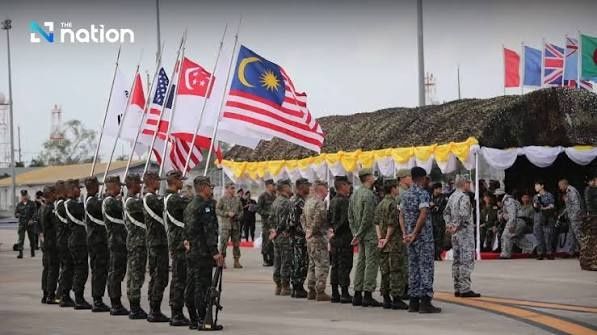
Thailand is preparing to bring its defence relationship with the United States into bilateral trade negotiations, wielding the prospect of reduced military cooperation as leverage against the Trump administration's tariff regime. Government sources familiar with the strategy suggest Bangkok will formally warn Washington that punitive trade measures could jeopardise joint military activities, particularly the Cobra Gold exercises that represent the cornerstone of America's security presence in mainland Southeast Asia. This move marks an unusual convergence of economic and strategic interests, where defence ties become negotiating currency in what have traditionally been commerce-focused discussions.
The Thai position will be presented as part of a counterproposal when reciprocal trade talks resume within the coming weeks, according to officials who requested anonymity given the confidential nature of the discussions. While Thailand is expected to frame any military constraints in carefully measured language, the underlying message is clear: continued economic pressure through tariffs could force Bangkok to reconsider its participation in long-standing defence partnerships. This approach reflects Thailand's strategic calculation that its geopolitical value to Washington remains significant enough to warrant consideration beyond pure commercial metrics.
Thailand's negotiating position gains weight from the scale of its trade relationship with the United States. Last year, Thailand maintained a trade surplus of US$51.4 billion with America, placing it among the nations most affected by Washington's recent imposition of a 12.5 per cent baseline tariff on the majority of exports under Section 301, legislation the Trump administration uses to counter what it defines as unfair trading practices. This substantial surplus gives Bangkok tangible economic leverage, though it also makes Thailand vulnerable to retaliatory measures that could significantly impact its export-dependent economy.
Beyond military considerations, Thailand has already offered several substantial concessions to address American concerns. Bangkok has indicated willingness to eliminate tariffs on selected products and to align its import standards with United States requirements for beef, lamb, and alcoholic beverages. Additionally, Thai officials have pledged to accelerate domestic legislation aimed at preventing the importation of goods manufactured through forced labour, addressing what Washington has identified as a key concern. These measures demonstrate Thailand's recognition that multiple policy levers must be engaged to achieve a favourable trade resolution.
Thailand's defence ministry has adopted a cautious public stance regarding the military leverage strategy. Defence Ministry spokesman Surasant Kongsiri declined to confirm details of the proposal, instead suggesting that negotiations would more likely emphasise cooperation enhancement rather than restrictions. This diplomatic reticence reflects the delicate balance Bangkok must maintain between signalling resolve to American negotiators while avoiding public statements that could complicate relations or provide ammunition to domestic political opponents who might criticise military concessions.
Commerce Minister Suphajee Suthumpun has been more forthright in articulating Thailand's broader argument for preferential trade treatment. Speaking last month, she emphasised that Thailand's decades-long security alliance with the United States, formalised through the Treaty of Amity, should translate into more favourable commercial terms. She framed the negotiations as a comprehensive government effort spanning the commerce, foreign affairs, and defence sectors, alongside private business representatives. Thailand's stated objective is to maintain tariff rates at approximately 19 per cent, consistent with an earlier framework discussed between the parties.
The Thai-US alliance represents one of Washington's oldest and most durable security relationships in Asia, stretching back decades and providing critical strategic infrastructure for American military operations throughout the broader region. This partnership has become increasingly important as China expands its influence across Southeast Asia, making Thailand's continued alignment valuable to Washington's long-term strategic positioning. Thailand's potential leverage lies precisely in this geopolitical context: abandoning or downgrading military cooperation would reshape the regional security landscape in ways that would complicate American strategic interests.
Cobra Gold, the joint military exercise co-hosted by Thailand and the United States, exemplifies the depth of this defence partnership. The Pentagon characterises Cobra Gold as the largest annual multinational military drill conducted on mainland Asian soil, with last year's iteration drawing approximately 8,000 military personnel from 30 countries. These exercises serve multiple purposes: they enhance interoperability among regional militaries, demonstrate American commitment to regional security, and provide strategic presence that Washington values in counterbalancing Chinese military expansion. Scaling back participation would signal a fundamental recalibration of the US-Thai relationship.
Historically, the alliance has demonstrated resilience even through significant political turbulence. Following Thailand's 2014 coup d'état, Washington initially suspended several military engagements and scaled back Cobra Gold participation in response to democratic governance concerns. However, defence ties were subsequently rebuilt, reflecting both the strategic importance each nation places on the relationship and the separate tracks along which security and political relationships can operate. This precedent suggests both nations have demonstrated capacity to compartmentalise diplomatic disagreements from security cooperation.
The Pentagon has signalled its commitment to strengthening rather than diminishing the alliance. During a recent visit to Bangkok, Undersecretary of Defense Elbridge Colby stated that he and Thai Permanent Secretary for Defence General Tharapong Malakam had reaffirmed the "renewed strength of the US-Thai alliance." Such public statements from senior American defence officials suggest the Pentagon views the partnership as strategically vital and potentially resistant to efforts by trade negotiators to reduce its scope. Nevertheless, Thai negotiators will test whether Washington's strategic interest in maintaining defence cooperation can be translated into commercial concessions.
For Malaysia and other Southeast Asian nations observing these negotiations, the developments carry several implications. Thailand's willingness to deploy military relationships as trade leverage may establish precedent for other regional partners with security ties to Washington. The outcome of Thai negotiations could shape how other nations approach similar tariff challenges, potentially encouraging more assertive use of strategic partnerships in trade discussions. Additionally, any significant reduction in US-Thai defence cooperation would alter regional security dynamics, potentially creating openings for alternative security partnerships or shifting the balance of influence in mainland Southeast Asia.
The convergence of commercial and strategic interests reflected in Thailand's negotiating approach underscores the complexity of modern international relations, where economic and security dimensions are increasingly intertwined. Thailand's calculation appears rooted in the recognition that its defence partnership with the United States remains valuable enough to constitute genuine negotiating currency in trade disputes. Whether Washington will view these military considerations as constraining factors in trade policy remains to be seen as formal negotiations progress through the coming weeks.

