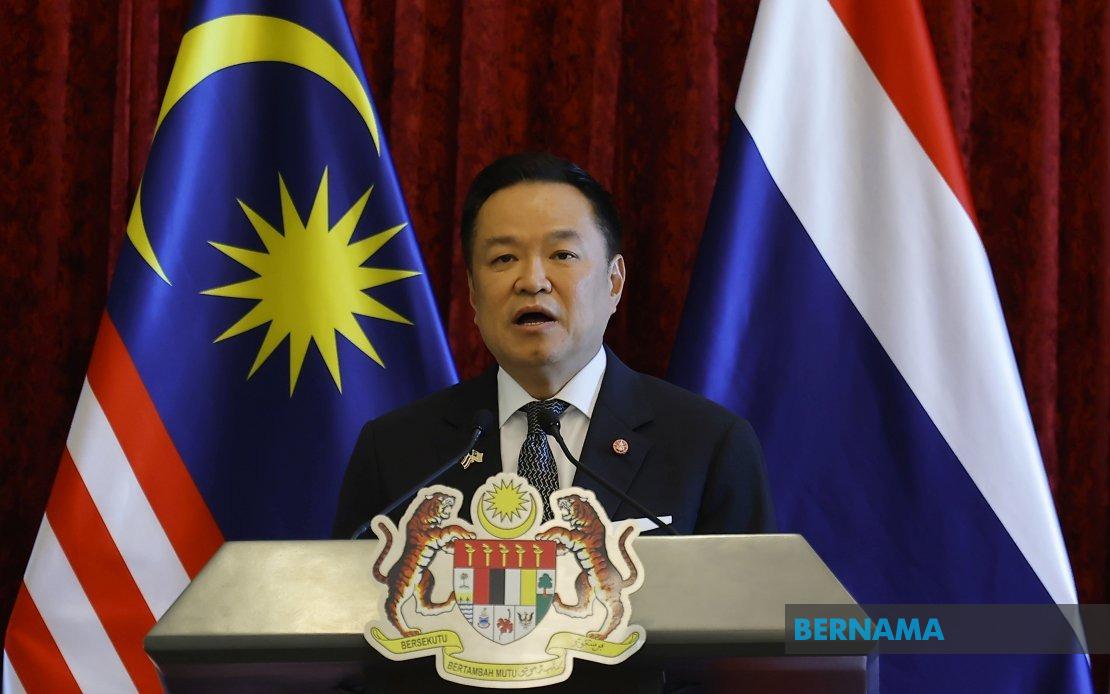
Thailand's Prime Minister Anutin Charnvirakul has publicly extended his support to Malaysian counterpart Datuk Seri Anwar Ibrahim as the nation prepares for its Johor state election this weekend. Speaking at a joint press conference in Putrajaya following bilateral talks, Anutin offered warm wishes for the electoral contest, underscoring the friendly diplomatic relationship between the two Southeast Asian neighbours.
The timing of Anutin's visit carries particular significance given Malaysia's domestic political calendar. The 16th Johor state election will determine the fate of 56 state seats, with 172 candidates representing various political formations competing for the positions. Anwar's coalition, Pakatan Harapan, has mounted a comprehensive campaign by fielding candidates across all constituencies. The alliance draws strength from three component parties—PKR, DAP and Amanah—which have fielded a strategic mix of established political figures and fresh political talent to contest the polls.
Anwar reciprocated the warm gesture by characterizing his exchange with the Thai premier as both substantive and cordial. The Malaysian Prime Minister drew a parallel between their dialogue and a gathering among lifelong friends, suggesting a relationship that extends beyond formal diplomatic protocol. He pointedly invited Anutin to return to Malaysia soon, emphasising the comfort and ease with which the two leaders engage. Anwar's comments suggest that Malaysia values maintaining strong personal relationships with regional counterparts, a diplomatic approach that can translate into tangible cooperation on matters affecting both countries.
Anutin's visit represents his first official journey to Malaysia since his reappointment to Thailand's premiership in March 2026. This makes the timing particularly noteworthy, as it demonstrates Thailand's commitment to prioritising relations with its closest democratic neighbour. The two-day official visit was extended at Anwar's personal invitation, reflecting Malaysia's desire to position itself as a central hub for regional diplomatic engagement and cooperation.
The broader context of this high-level visit extends beyond the immediate electoral situation in Johor. Malaysian and Thai officials have identified mutual areas of interest requiring deeper cooperation, ranging from trade and investment to cultural exchange and regional security matters. Both nations share maritime borders, significant economic interdependencies, and overlapping strategic interests in Southeast Asia. Strengthening the personal rapport between their leaders often facilitates smoother negotiations on practical bilateral issues that affect their citizens.
For Anwar, having a neighbouring regional leader publicly express confidence ahead of a significant state election carries domestic political weight. Although Anutin's gesture was understated and diplomatic in nature, such public backing from an international counterpart can influence perceptions of Malaysia's standing in the region and reinforce narratives of political stability. In electoral politics, international validation—however subtle—can contribute to voter confidence in the government's capacity to manage national affairs effectively.
The Johor election itself holds considerable importance within Malaysia's broader political landscape. As the nation's second-largest state by population and a crucial economic hub, electoral outcomes in Johor often reverberate across other state and federal contests. Pakatan Harapan's comprehensive candidate slate suggests confidence in retaining or expanding its influence in the state, while the inclusion of both veteran politicians and new voices indicates an attempt to balance experience with fresh perspectives that might appeal to younger voters.
Thailand-Malaysia relations have historically benefited from pragmatic cooperation despite occasional tensions. Both nations recognise that regional stability and economic prosperity require consistent engagement at multiple levels. The diplomatic courtesies exchanged during Anutin's visit reflect this understanding, even as both countries navigate their distinct domestic political challenges. For Malaysia, maintaining strong ties with Thailand is particularly important given shared challenges in addressing transnational issues, including human trafficking, maritime security, and regional economic integration.
The substance of discussions between Anwar and Anutin likely extended into specific bilateral mechanisms and frameworks already in place. Regular high-level visits like this one help ensure that diplomatic channels remain open and that both governments can address emerging issues before they escalate. Such engagement is particularly valuable in Southeast Asia, where effective regional cooperation depends on maintaining strong interpersonal relationships between political leaders.
As Malaysia approaches the Johor election, the international dimension of Anwar's leadership becomes more visible. His cultivation of strong relationships with regional partners like Thailand can enhance Malaysia's diplomatic influence and signal continuity in foreign policy. For voters in Johor and across Malaysia, such international engagement often communicates an impression of governmental competence and regional respect.
Looking forward, Anutin's visit may signal the beginning of an intensified period of bilateral engagement. Both nations have incentives to deepen cooperation on economic matters, particularly trade facilitation and investment in cross-border infrastructure projects. Thailand's endorsement of stable governance in Malaysia, implicit in the visit itself, also reassures regional and international investors about the predictability of the Malaysian political environment.

