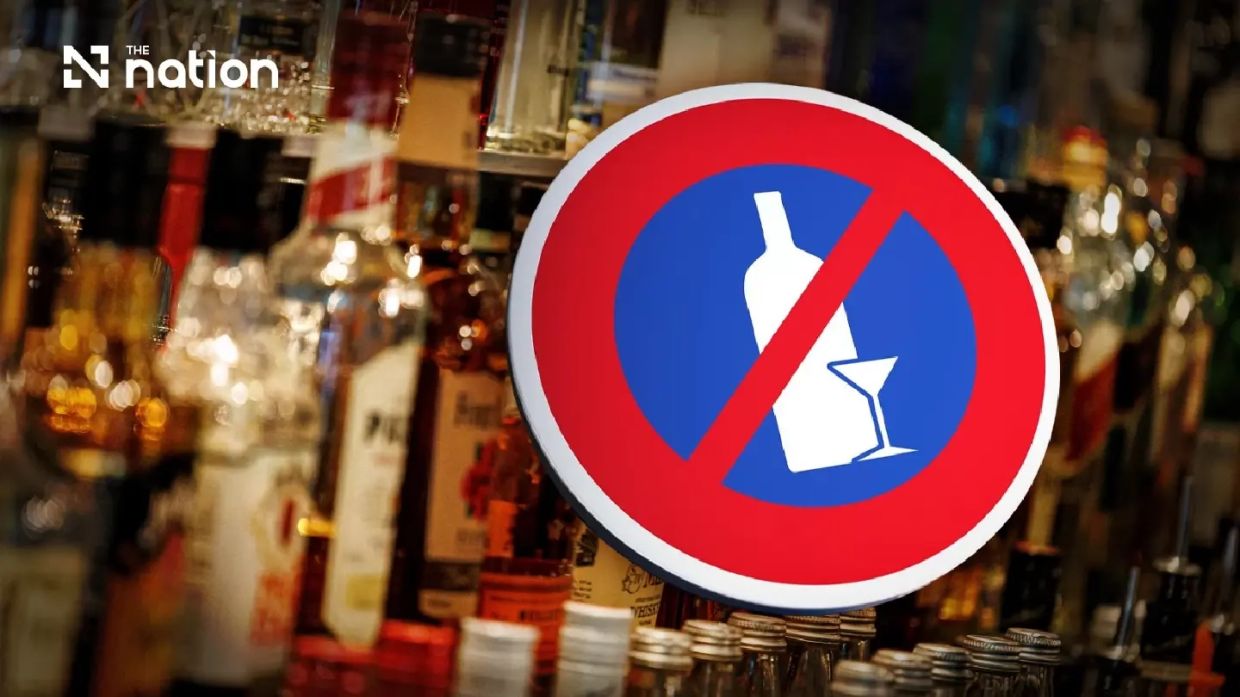
Thailand's Election Commission has imposed a sweeping prohibition on alcohol throughout Bangkok and Pattaya during the forthcoming local elections scheduled for June 27 and 28, establishing a regulatory framework designed to maintain order and fairness during the polling period. The restriction represents one of several safeguards the commission has implemented to oversee the gubernatorial and municipal elections across the two major metropolitan areas, reflecting concerns about potential disruptions to the electoral process.
The alcohol ban takes effect at 6pm on Saturday, June 27, and remains in place until 6pm on Sunday, June 28, encompassing the entire election cycle for both Bangkok Governor and Bangkok Metropolitan Council positions, as well as the corresponding mayoral and city council races in Pattaya. This extended timeline begins one full day before voting commences, ensuring that any residual effects of alcohol consumption from the preceding evening do not compromise voter turnout or behaviour at polling stations.
Within the designated electoral zones of Bangkok and Pattaya, the commission has made explicit that no individual or business establishment may engage in the sale, distribution, provision as a gift, or service of any alcoholic beverage during the restricted window. The prohibition applies comprehensively to all forms of alcohol, from beer and spirits to wine, and covers both on-premises consumption at bars and restaurants as well as retail sales through bottle shops and convenience stores. This blanket approach eliminates potential grey areas that might otherwise permit selective compliance or circumvention.
The enforcement mechanism carries substantial legal consequences designed to deter violations. Anyone apprehended breaching the alcohol ban faces penalties of up to six months' imprisonment, a fine reaching 10,000 baht, or a combination of both sentences, according to Section 123 of the Local Elections Act B.E. 2562 as amended. These penalties place the alcohol restriction on equal footing with other serious electoral violations, signalling the commission's determination to maintain compliance.
For Malaysian readers and observers from other Southeast Asian democracies, Thailand's approach to electoral alcohol restrictions reflects broader regional practices aimed at preserving voting integrity. Similar bans have been implemented during elections across Asia, with the underlying rationale being that alcohol consumption may impair voter judgment or encourage unsavoury conduct at polling locations. The Thai implementation, however, is notably comprehensive in its geographic scope and temporal length, extending the ban beyond polling hours into the preceding evening.
The Election Commission has explicitly appealed to businesses, hospitality venues, and the general public to adhere strictly to the regulation, framing compliance as a shared civic responsibility necessary for conducting transparent and neutral elections. This messaging acknowledges that enforcement, while important, ultimately depends upon voluntary cooperation from the commercial sector and individual citizens. Restaurants, bars, and hotels operating in Bangkok and Pattaya will need to adjust their operations significantly during the weekend period, potentially implementing alternative beverage offerings such as soft drinks or non-alcoholic beers.
For eligible voters, the commission has set polling hours between 8am and 5pm on Sunday, June 28, at their respective assigned voting locations throughout Bangkok and Pattaya. The election presents an opportunity for residents to exercise franchise rights in selecting local leadership that will address municipal governance issues, from infrastructure and public transport to public health and urban planning. Voter participation rates in Thai local elections have historically varied, and the commission's explicit call for turnout suggests efforts to bolster engagement.
The timing of the elections themselves carries broader significance within Thailand's political context. Local elections in Thailand have at times served as barometers of public sentiment toward national government policies and performance, even though they ostensibly focus on municipal concerns. The Bangkok and Pattaya races, representing the nation's largest city and principal beach resort respectively, attract particular scrutiny as indicators of electoral dynamics in urban, relatively affluent constituencies.
The Election Commission has established a dedicated information channel for voters and stakeholders seeking clarity on election procedures and regulations. The official Election Commission of Thailand website provides comprehensive details about candidate information, polling location specifics, and voter eligibility criteria. Additionally, a dedicated hotline numbered 1444 operates to field inquiries and provide guidance, ensuring that voters possess necessary information to participate effectively and that businesses understand their compliance obligations under the alcohol ban.
From a regional perspective, Thailand's application of electoral safeguards including alcohol restrictions demonstrates a regulatory approach common across Southeast Asia's electoral environments, though implementation intensity varies by jurisdiction. Malaysia, for instance, has employed similar prohibitions during federal and state elections, with enforcement delegated to police and election officials. The cross-national pattern reflects shared concerns about preserving electoral legitimacy and voter autonomy during the polling process, even as democratic systems across the region continue evolving their institutional frameworks.

