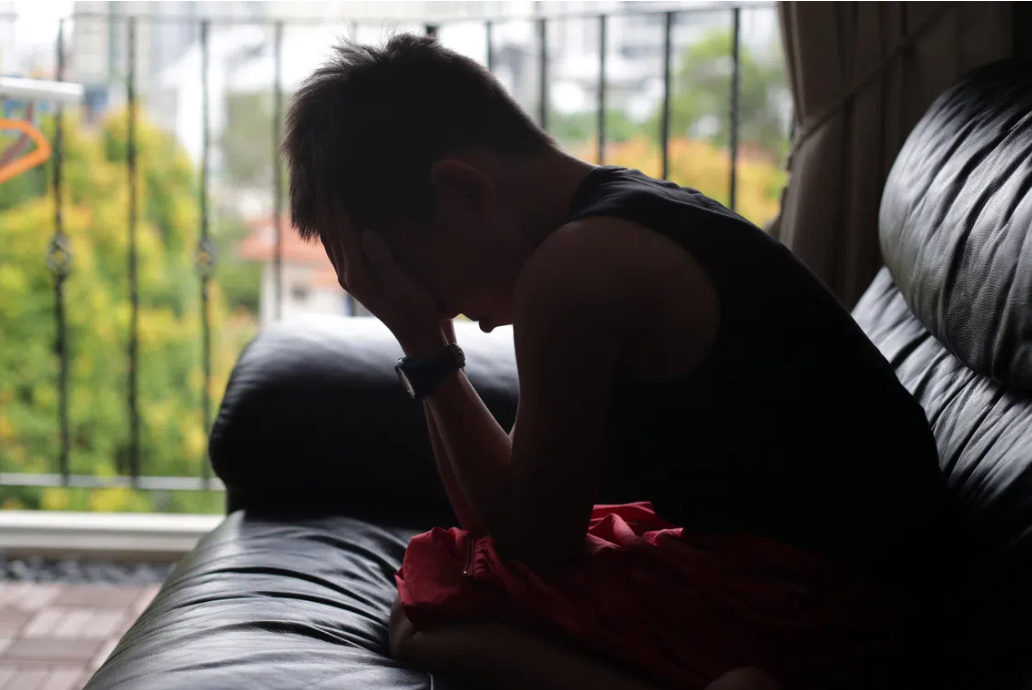
Thailand faces mounting pressure to address widespread school bullying following the August 7 shooting at Debsirin Nonthaburi School, where a 14-year-old student killed nine people including himself. The incident has shone a spotlight on a long-standing problem affecting Thai youth, with investigations ongoing into whether bullying contributed to the violence alongside other potential factors such as exposure to violent gaming and academic pressure. The tragedy has catalysed national conversations about school safety and student welfare, yet experts caution that legislative responses alone will struggle to overcome entrenched cultural attitudes that inadvertently enable abuse to flourish.
The true extent of bullying in Thai schools emerged starkly in a government survey conducted in September 2025, which revealed that 65 per cent of 42,000 young people aged six to 25 had experienced some form of bullying. The data underscores how normalised harmful peer behaviour has become within educational institutions across the country. Most disturbingly, 83 per cent of incidents occurred within school premises, suggesting that the environment meant to foster learning has instead become a breeding ground for abuse. The most frequently reported forms involved name-calling and mockery directed at students' names, families, or personal characteristics—seemingly trivial to observers but deeply damaging to vulnerable adolescents.
Physical violence represents a particularly alarming dimension of the problem. The survey found that approximately 28 per cent of bullying victims experienced physical assault including kicking and punching. These statistics gained visceral reality through recent viral videos on social media, including footage from July 21 at St Gabriel's College, one of Thailand's most elite private institutions, showing older students brutally beating a younger pupil. Such incidents, now captured and disseminated instantly through digital platforms, have shattered the illusion that bullying remains a marginal or contained problem. Aranee Vivatthanaporn, a criminology lecturer at Rangsit University, suggests that increased visibility does not necessarily indicate rising incidence but rather reflects the amplification effect of social media in exposing behaviour that previously remained hidden within school walls.
Psychological consequences of sustained bullying are severe and widespread. At least one in four victims reported contemplating self-harm, according to the government data. Chinun Boonroungrut, a psychology lecturer at Silpakorn University, explains that prolonged bullying can precipitate depression, unresolved anger, and an accumulating sense of injustice that may culminate in psychological crises. However, he cautions against assuming that school bullying inevitably leads to extreme violence or mass casualty events. Rather, the psychological toll manifests differently across individuals, though the mental health impact remains undeniably serious across populations.
The lived experience of bullying victims illuminates the psychological burden imposed by peer abuse. Surasit Nok-Ouam, now a 20-year-old gig worker, endured bullying from kindergarten through early primary school—a formative period when experiences shape lifelong self-perception and social confidence. His case demonstrates how introversion or perceived difference becomes a liability in competitive school environments. Surasit recounted distressing incidents including peers following him into bathroom stalls to splash water on him and call him names, an experience that generated chronic anxiety whenever he required restroom access. Another episode involved public humiliation during physical education class when a bully deliberately pulled his trousers down. He observed that his attempts to respond defensively only provided entertainment to perpetrators, transforming his distress into amusement for observers.
Cultural factors unique to Thai society significantly complicate efforts to address bullying through institutional means. The concept of kreng jai—often translated as extreme consideration or deference—profoundly influences how Thai youth respond to mistreatment. Prieo To-uam, a freelance counsellor with four years of experience, notes that many victims remain silent out of concern for maintaining social harmony and respecting authority, values deeply embedded in Thai culture. She observes that many Thai families and schools prioritise politeness and outward social conformity over addressing underlying conflicts. This cultural emphasis on suppression and harmony means that victims internalise their distress rather than disclosing it to parents, teachers, or counsellors. Consequently, psychological damage accumulates beneath a veneer of civility until it occasionally manifests in sudden, explosive crises.
Prieo's counselling work has intensified over the past year as more adolescents seek help, suggesting either increased willingness to disclose problems or genuinely escalating prevalence. She reports that bullying appears almost universally among her clients across both Thai national and international school systems, with many perpetrators viewing their behaviour initially as harmless teasing or normal adolescent dynamics before it escalates into systematic abuse. The lack of parental understanding compounds vulnerability; victims frequently lack trusted adults capable of intervening or validating their experiences. The absence of early disclosure mechanisms allows psychological crises to compound until they potentially manifest in catastrophic ways.
Thailand's government has announced comprehensive measures intended to take effect by early November in response to the Debsirin shooting. These include implementation of a zero-tolerance bullying policy across schools, enhanced weapon detection systems, and institutional referral mechanisms for identifying students at risk. A proposed Student and School Safety Act would mandate monitoring of mental health among affected students and screening for post-traumatic stress disorder. The policy framework appears comprehensive, addressing prevention, detection, and intervention across multiple levels. However, the efficacy of these measures fundamentally depends upon successful implementation within an institutional culture that has historically tolerated or minimised peer abuse.
The tension between top-down policy intervention and bottom-up cultural change represents the core challenge confronting Thailand's anti-bullying agenda. Legislation alone cannot transform attitudes that prioritise harmony and deference over conflict resolution and victim advocacy. Teachers trained to enforce new policies must simultaneously overcome cultural inhibitions against intervening in peer conflicts, which are often dismissed as inevitable adolescent behaviour. Parents accustomed to teaching children to endure mistreatment silently must reorient toward proactive reporting and advocacy. Without simultaneous efforts to reshape cultural narratives around bullying—positioning it as unacceptable rather than inevitable—legislative measures risk becoming performative responses that fail to produce meaningful behavioural change.
Regional observers recognise that Thailand's struggle with school bullying reflects broader Southeast Asian patterns where hierarchical social structures and emphasis on collective harmony coexist uneasily with adolescent individuality and peer-group dynamics. Malaysia, Singapore, and other regional economies similarly grapple with balancing cultural values of deference with modern child welfare standards. Thailand's policy response offers both a model and a cautionary tale for the region: comprehensive institutional frameworks matter, but their success hinges upon willingness to interrogate and modify cultural practices that inadvertently facilitate abuse. The August shooting represents a tragic opportunity for Thailand to fundamentally reassess not merely how schools respond to bullying, but how society conceptualises the rights of young people to safety, dignity, and psychological wellbeing within institutions meant to serve their development.
The question confronting Thai policymakers extends beyond immediate safety measures to encompass deeper cultural transformation. Can legislative frameworks successfully mandate disclosure and intervention when generational values emphasise silence and acceptance? Can schools effectively implement zero-tolerance policies when communities have historically tolerated bullying as an unavoidable aspect of growing up? These questions lack simple answers, yet the urgency of addressing them has intensified following the Debsirin tragedy. Thailand's response will depend not only upon the robustness of its institutional reforms but upon its willingness to challenge cultural attitudes that have permitted bullying to flourish unchecked for generations.

