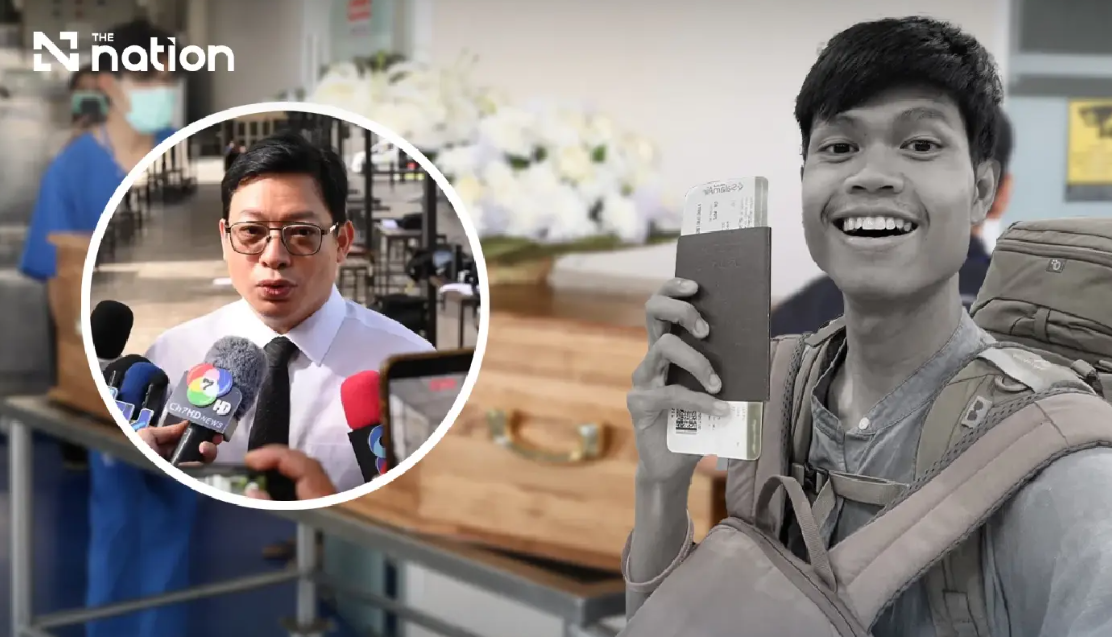
Thai travel vlogger Bawornthat "Hlun Solo" Pengsuk died from heart and circulatory system failure, according to preliminary post-mortem examination findings released by Thailand's Central Institute of Forensic Science on Thursday. However, forensic authorities have cautiously kept the door open to other possibilities, notably the involvement of toxins or chemical substances, pending completion of comprehensive laboratory testing that is currently underway.
Associate Professor Dr Worawee Waiyawut, serving as deputy director of the Central Institute of Forensic Science under the Thai Ministry of Justice, presented the initial findings after Hlun's body arrived back in Thailand from Georgia where he died. The family had previously authorised the institute to share preliminary results with the public following consultations about the Georgian post-mortem examination already conducted abroad. This measured approach reflects the complexity surrounding the young content creator's unexpected death and the family's determination to establish definitive answers through rigorous scientific investigation.
The initial examination revealed a notably clean picture regarding external trauma. No evidence of bruising, physical assault, or fractured bones emerged from the autopsy process, and apart from the cardiac abnormalities detected, no other organ dysfunction was identified. Dr Worawee noted that Georgian medical professionals had already performed extensive examinations before the body's repatriation, suggesting that the forensic work completed overseas was thorough and comprehensive in scope.
Despite these findings, the investigation remains far from conclusive. Further laboratory analysis of cardiac tissue is required, alongside genetic testing to determine whether underlying hereditary factors might have contributed to the fatal cardiac event. The forensic team must also investigate the possibility of sudden unexplained nocturnal death syndrome, commonly known as SUNDS, which has been the subject of considerable medical research and speculation in Southeast Asia. Dr Worawee emphasised that arriving at a firm, legally defensible conclusion requires completion of these additional tests, which will take considerable time to process and analyse.
The toxicology question looms particularly large in the family's mind. The Ministry of Justice is working to obtain comprehensive information from Georgian authorities, including complete records of the post-mortem examination conducted there and results of all chemical testing performed abroad. The Georgian death certificate itself, however, remains frustratingly vague, containing no specification of the actual cause of death—a detail that has amplified family concerns about the thoroughness of investigations in Georgia and the adequacy of information sharing across borders.
Somsak "Mos" Butsri, Hlun's elder brother, articulated the family's perspective when addressing the media following the Thai forensic examination. The family authorised the Thai post-mortem explicitly because they harboured unresolved questions about the circumstances and wanted Thailand's specialist forensic team to conduct an independent, thorough investigation of the death. Their specific concerns centred on potential toxic substances in Hlun's system, the detailed state of his heart, and exploration of alternative explanations for the fatal outcome.
The family's frustration with Georgian authorities stems from what they perceive as insufficient communication and transparency. They received only a death certificate and were informed that organ samples and DNA had been collected and retained, yet received no clarity regarding what these samples would be tested for or when results might emerge. This information gap has understandably deepened their determination to pursue answers through Thai institutions they trust, particularly given the cross-border complications inherent in death investigations involving foreign nationals.
Once Thai testing concludes, the family intends to conduct a detailed comparison between findings generated in Thailand and those obtained in Georgia, with particular focus on toxicology results. This comparative analysis may reveal discrepancies or corroborate findings, providing a more complete picture of Hlun's death. Somsak acknowledged that initial examinations found no evidence of physical violence, and he cautioned that media reports speculating about sudden nocturnal death syndrome lacked confirmation from official test results and remained unsubstantiated.
The family's knowledge of Hlun's underlying health status remains incomplete. Somsak revealed that the vlogger was not always forthcoming with family members about his health conditions, creating a gap in their understanding of whether pre-existing cardiac or other medical issues might have predisposed him to fatal complications. However, Somsak made clear that should evidence of physical assault emerge from the examination, the family would pursue all available legal remedies to seek justice for their younger brother.
The practical aspects of repatriation have also raised questions. Beyond his passport, none of Hlun's personal belongings were returned with his body from Georgia—a detail that adds another small frustration to the family's ordeal. The forensic procedures were expected to conclude by Friday, allowing the family to proceed with transporting Hlun's body to his native Kalasin Province for traditional funeral rites according to Thai custom. Cremation arrangements would be determined later following family discussions.
Despite the gravity of the situation and uncertainty surrounding the death, family members maintained emotional resilience. Hlun's grandmother, now without her grandson, reportedly remained in good spirits and had expressed only one wish—that her grandson be brought home. Somsak acknowledged uncertainty about how she would emotionally process seeing his body, a poignant reminder of the personal human dimensions underlying the medical and forensic proceedings. He concluded by expressing the family's gratitude to Thai citizens who had helped facilitate their son's return from Georgia, acknowledging the collective compassion shown during their period of grief and investigation.

