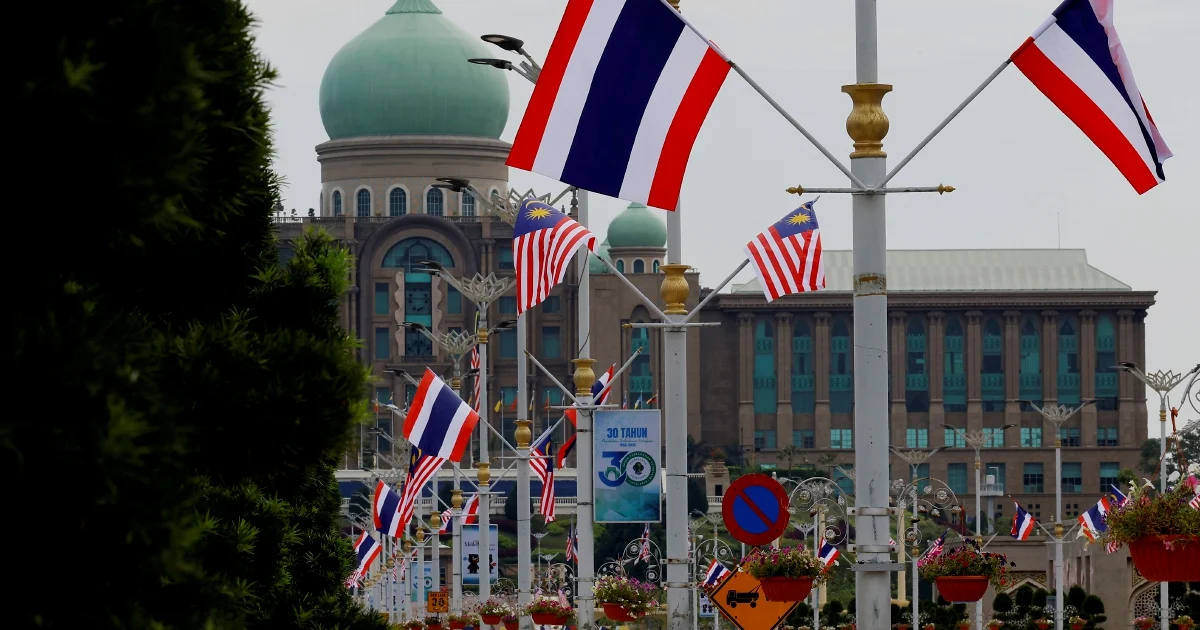
Thai Prime Minister Anutin Charnvirakul will arrive in Malaysia on Thursday for a two-day official visit centred on deepening cooperation between the neighbouring nations on critical infrastructure and economic sectors. The engagement reflects growing momentum in bilateral relations, particularly in transport connectivity and agricultural trade—two domains where Malaysia and Thailand recognise significant mutual potential.
A centrepiece of the visit will be the joint inauguration of a new border road linking the two countries, which Anutin will oversee alongside Malaysian Prime Minister Anwar Ibrahim. The completion of this transport corridor represents a tangible outcome of sustained diplomatic efforts and underscores both governments' commitment to seamless regional connectivity. Enhanced road networks at border crossings have historically reduced transit times and logistics costs, benefiting commercial operators and consumers across Southeast Asia.
The road project reflects a broader regional trend of infrastructure development aimed at binding the Association of Southeast Asian Nations more tightly together. Malaysia and Thailand have long recognised that efficient cross-border transport is essential to realising the economic potential of the region. By reducing friction at entry and exit points, the new route is expected to facilitate smoother movement of goods, particularly agricultural products that are perishable and time-sensitive. The project also carries symbolic weight, demonstrating that despite occasional diplomatic tensions in Southeast Asia, practical cooperation remains possible and beneficial.
Agriculture forms the second pillar of the discussions during the visit. Both nations depend significantly on agricultural exports and are vulnerable to global commodity fluctuations and changing weather patterns. Thailand is a world leader in rice, rubber, and tropical fruit exports, while Malaysia is similarly positioned in palm oil, cocoa, and processed agricultural goods. Bilateral talks on agricultural cooperation could explore avenues such as joint research into drought-resistant crops, shared pest management protocols, or coordinated logistics networks for value-added agricultural products destined for regional and international markets.
From a Malaysian perspective, the visit arrives at a moment when the country is seeking to strengthen its position as a regional economic hub. Enhanced connectivity with Thailand—particularly through improved road infrastructure—reinforces Malaysia's role as a transit point and trade facilitator within ASEAN. For exporters based in Malaysia's manufacturing heartland, easier access to Thai markets and suppliers strengthens supply chain resilience. Similarly, agricultural producers benefit from reduced barriers to distributing their goods across the border, potentially opening new revenue streams.
The diplomatic nature of the visit—a formal two-day engagement at prime ministerial level—indicates the priority both governments place on the relationship. Bilateral visits at this level typically involve substantive negotiations, not merely ceremonial occasions. Officials on both sides are likely preparing agreements or statements addressing specific cooperation frameworks, whether in agriculture, energy, transport, or other shared interests. The rhythm of such high-level exchanges helps maintain political goodwill and provides opportunities to resolve differences that may have emerged in lower-level discussions.
Regionally, the Thailand-Malaysia engagement signals the importance of bilateral ties within ASEAN's broader integration agenda. While larger powers have occasionally competed for influence in Southeast Asia, intra-regional cooperation like this visit demonstrates that member states remain focused on delivering tangible benefits to their populations through practical partnership. This is particularly significant for smaller economies or regions bordering multiple countries, where cross-border cooperation directly influences livelihoods and growth prospects.
The agricultural component of the discussions also reflects emerging global concerns about food security and climate resilience. Both Thailand and Malaysia face increasingly unpredictable weather patterns, and collaborative approaches to agricultural development—such as sharing advanced farming techniques, improving seed varieties, or jointly addressing animal health challenges—can strengthen the region's capacity to feed itself sustainably. Regional agricultural cooperation also positions ASEAN more competitively in global markets, where buyers increasingly favour suppliers demonstrating environmental and social responsibility.
For observers monitoring regional stability, the visit is a reassuring reminder that despite occasional frictions over maritime boundaries, refugee issues, or trade disputes, Thailand and Malaysia continue to prioritise constructive engagement. The practical focus on roads and agriculture reflects both nations' recognition that economic cooperation is a foundation for enduring peace and prosperity. In an era of geopolitical uncertainty, such bilateral initiatives contribute meaningfully to Southeast Asian cohesion.
Looking ahead, the visit may establish templates for future cooperation. If the border road succeeds in facilitating greater trade and people-to-people movement, it could prompt both nations to identify additional infrastructure projects warranting joint investment. Similarly, if agricultural discussions yield concrete agreements—such as harmonised export standards or joint marketing initiatives—other ASEAN members may seek to replicate successful models. The momentum generated during such high-level visits often extends well beyond the immediate outcomes, shaping the trajectory of regional relations for months or years to come.
The presence of Prime Minister Anwar Ibrahim in these deliberations underscores Malaysia's broader push to enhance connectivity across Southeast Asia, a theme that has featured prominently in his administration's foreign policy messaging. By engaging closely with neighbours on practical, mutually beneficial projects, Malaysia positions itself as a stabilising and progressive force in the region, focused on concrete improvements to trade and transport infrastructure rather than competitive posturing.

