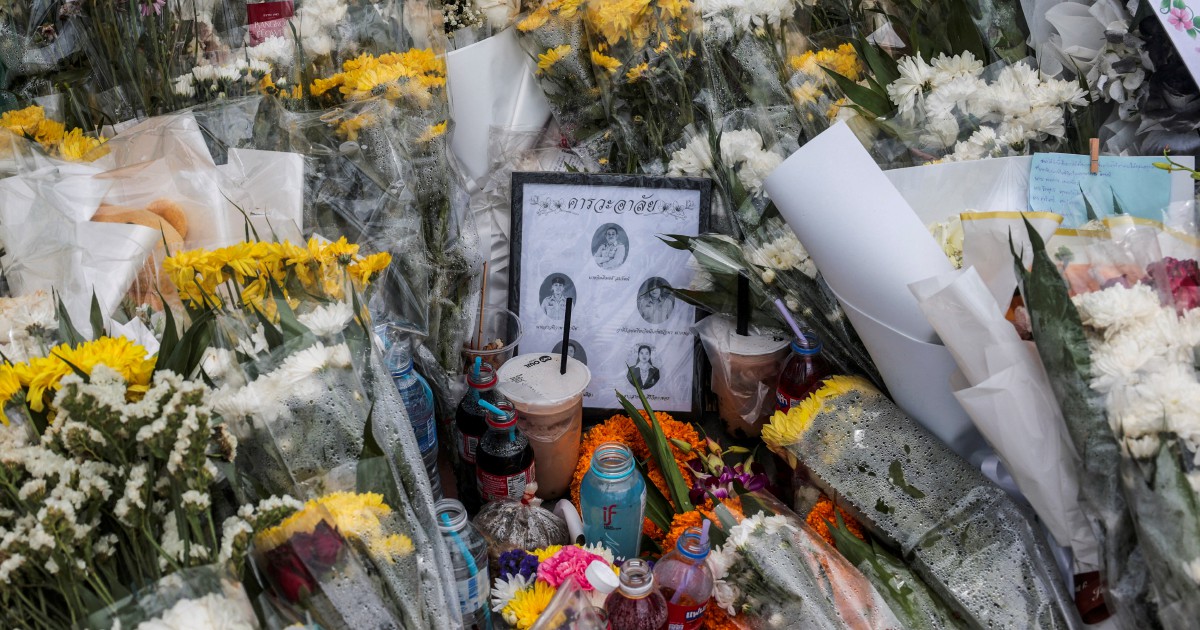
Thailand's government is tightening firearms regulations in response to a devastating school shooting that claimed multiple lives last week, with the Prime Minister announcing the immediate suspension of gun licences as a precautionary measure. The announcement comes as the bodies of the teenage assailant and his two grandparents, who became victims of the violence, were cremated in ceremonies held in Nonthaburi province. This policy shift underscores the Thai administration's determination to prevent similar tragedies through stricter weapon oversight.
The school shooting represents a significant security concern for Thailand, a nation where gun violence, though less prevalent than in some neighbouring countries, remains a matter of serious public concern. The incident has prompted rapid government intervention, with authorities recognising the need for comprehensive measures to restrict access to firearms. The suspension of firearms licences serves as an immediate brake on civilian gun ownership, signalling a zero-tolerance approach to potential future incidents of armed violence in educational and civilian spaces.
The decision to suspend gun licences affects current licence holders and individuals seeking new permits to carry weapons. Such regulatory action typically follows established legal frameworks in Thailand that balance public safety with individual rights. The suspension is likely to remain in effect pending a full review of firearms licensing procedures and the implementation of enhanced screening mechanisms. This approach reflects international best practices adopted by several countries that have experienced mass shooting incidents in recent years.
The demographic profile of the teenage perpetrator has drawn attention to broader issues surrounding mental health services, family intervention, and early warning systems for potential violence. Understanding how a young person gained access to firearms and what circumstances led to the incident remains crucial for policymakers seeking to prevent future tragedies. The involvement of family members as victims complicates the narrative, suggesting that the shooting may have stemmed from domestic circumstances rather than purely random violence.
Cremation ceremonies for the victims reflect Thai Buddhist traditions and cultural practices around death and mourning. The formal cremation of both the assailant and his family members indicates official recognition of the incident's gravity and the need for proper respect to the deceased. These ceremonies also provide a symbolic conclusion to the immediate aftermath of the tragedy, allowing the affected community and bereaved families to begin the grieving process within their religious and cultural framework.
The timing of the Prime Minister's announcement demonstrates political responsiveness to public pressure and concern about public safety. In the aftermath of mass violence, governments face scrutiny regarding their preparedness and willingness to implement preventive measures. By acting decisively on firearms licences, Thai authorities are signalling that the incident has prompted substantive policy changes rather than merely symbolic gestures. This stance may influence how the incident is perceived by both domestic and international observers evaluating Thailand's commitment to community safety.
Regional context matters significantly here, as Southeast Asian countries maintain varying approaches to firearms regulation. Some nations in the region maintain relatively restrictive gun laws, while others operate more permissive systems. Thailand's decision to suspend licences positions it alongside countries prioritising public safety through aggressive restrictions on civilian firearms ownership. The move may also influence discussions in neighbouring countries considering their own weapons policies, particularly if similar incidents occur in the region.
The investigation into how the teenager obtained access to firearms will likely yield important insights into compliance and enforcement gaps within Thailand's existing regulatory framework. If weapons were acquired legally, this suggests loopholes in background checks or psychological evaluation procedures. If firearms were obtained illegally, it raises questions about smuggling networks and black market distribution channels operating within Thailand. Either scenario points to specific areas where law enforcement and regulatory authorities must strengthen oversight.
International precedent shows that firearms suspensions often represent temporary measures pending comprehensive legislative reform. Thailand may eventually move toward permanent changes to its licensing system, including mandatory psychological evaluations, enhanced background checks, and more stringent permit requirements. Such reforms typically take months or years to implement fully, requiring coordination between multiple government agencies and input from law enforcement, health services, and legislative bodies.
The emotional and psychological toll on the broader community, particularly students and educators, extends far beyond the immediate victims. Schools throughout Thailand may face increased parental concerns about safety, potentially prompting discussions about security measures and emergency preparedness protocols. Educational institutions may implement new policies regarding crisis management and student welfare support services. The incident serves as a sobering reminder of vulnerabilities in public spaces, even in supposedly secure settings like schools.
For Malaysia and other Southeast Asian nations monitoring developments in Thailand, this incident and policy response offer valuable comparative perspectives on weapons regulation effectiveness. As countries throughout the region grapple with balancing security concerns with public safety, Thailand's approach to licensing suspension and potential future reforms may inform regional best practice discussions. The incident underscores the importance of multi-faceted approaches combining legal restrictions, mental health services, and community awareness initiatives.
The government's swift action on firearms licences demonstrates recognition that reactive measures alone prove insufficient. Sustainable crime prevention requires addressing underlying causes including mental health support, family intervention services, and social support systems. Thailand's focus on licensing suspension must ultimately complement broader initiatives addressing root causes of violence if future incidents are to be prevented effectively. This comprehensive approach aligns with modern criminology and public health frameworks emphasising prevention rather than purely punitive responses to violence.

