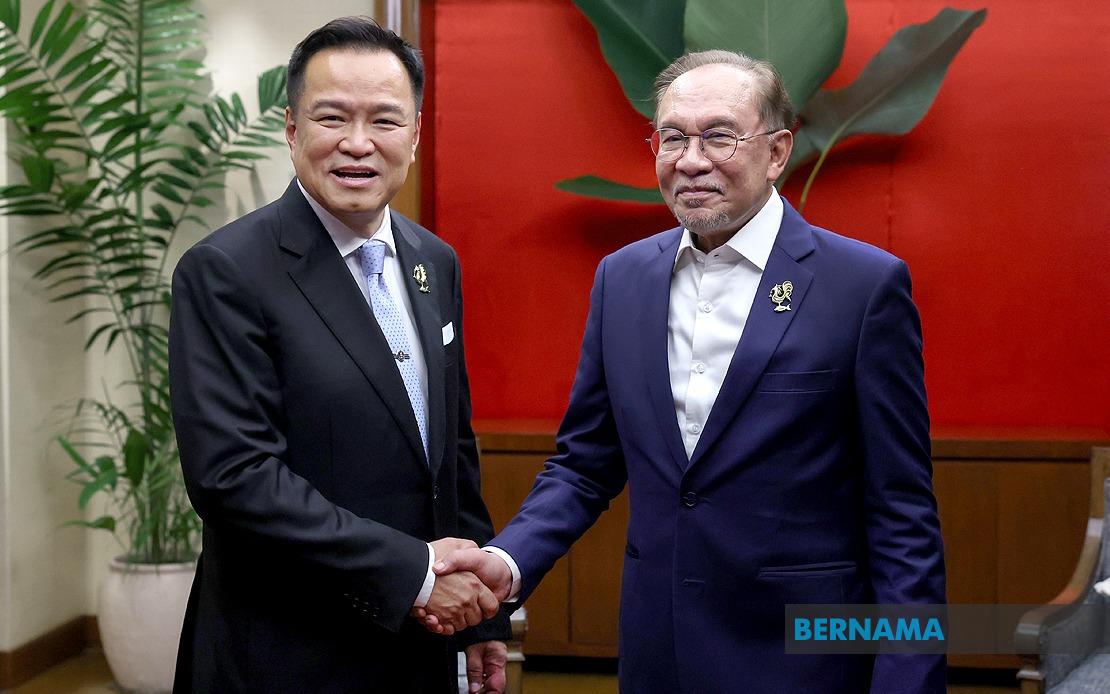
Thai Prime Minister Anutin Charnvirakul is set to arrive in Malaysia on Thursday, July 9, for a two-day official visit timed to coincide with the inauguration of a new permanent border crossing at Sadao on July 11. The trip, undertaken at the invitation of Malaysian Prime Minister Datuk Seri Anwar Ibrahim, underscores deepening bilateral ties between Bangkok and Kuala Lumpur as both countries prepare to commemorate seven decades of diplomatic relations in 2027.
The new Sadao Customs, Immigration and Quarantine facility, located in Thailand's Songkhla province, represents a significant infrastructure investment designed to streamline the movement of goods and people across one of Southeast Asia's busiest land borders. Once operational, it will connect directly with Malaysia's existing Bukit Kayu Hitam checkpoint in Kedah, creating a more efficient gateway for regional commerce and tourism flows. The upgrade addresses longstanding congestion challenges that have historically plagued the crossing, which has served as a critical artery for trade between the two nations and onward to the rest of Southeast Asia.
Thailand's Cabinet formally approved the checkpoint's opening on Tuesday, with government spokesperson Ratchada Thanadirek announcing that operations will commence on July 11 and run daily from 5 am to 11 pm Thailand time. The new installation will replace the existing Sadao crossing, consolidating border procedures at a single, modern facility that incorporates contemporary customs and immigration systems. This consolidation is expected to significantly reduce processing times for both commercial and private vehicle crossings, addressing a persistent bottleneck that has constrained trade competitiveness for businesses in both countries.
Beyond the checkpoint itself, Thai authorities have initiated a broader infrastructure modernisation programme to support increased cross-border traffic. The Ministry of Interior has directed agencies to construct connecting roads on the Thai side to improve overall traffic flow and reduce vehicular congestion around the checkpoint perimeter. Additionally, shuttle bus services will be deployed to link the checkpoint with inland areas, facilitating last-mile connectivity for travellers and cargo operations. These complementary measures reflect recognition that a modern border facility requires commensurate logistical infrastructure to realise its full potential.
Thailand's government has also prioritised public communication regarding the transition from the old crossing to the new facility. Authorities are conducting extensive awareness campaigns across the Dan Nok border community to educate residents and businesses about new traffic routes, revised customs procedures, and immigration protocols at the upgraded checkpoint. For traders and entrepreneurs, particular emphasis is being placed on mechanisms designed to accelerate cross-border commerce, including streamlined documentation processes and reduced clearance times. These outreach efforts acknowledge that behavioural change and community buy-in are essential for the new checkpoint to function efficiently from its opening day.
Anutin's visit marks his third trip to Malaysia since becoming prime minister, reflecting the frequency and importance of bilateral engagement at the highest levels. His previous journeys included attendance at the ASEAN Summit and Related Summits in Kuala Lumpur in October of the preceding year, followed by a formal state visit on November 26. The regularity of these exchanges signals commitment from both governments to maintaining momentum in bilateral diplomacy and cooperation across economic, security, and regional affairs.
For Malaysia, the new checkpoint opening carries particular significance given the nation's role as a gateway to ASEAN and its strategic importance in regional supply chains. The Sadao-Bukit Kayu Hitam crossing handles substantial volumes of Malaysian-Thai trade, including automotive components, agricultural products, and manufactured goods. Enhanced border efficiency directly translates to reduced logistics costs and faster delivery times for businesses operating across both countries, strengthening competitiveness in regional and global markets. The upgrade also positions both nations to better capture emerging opportunities in cross-border e-commerce and digital trade, sectors increasingly important to Southeast Asian economies.
Tourism represents another significant beneficiary of improved border infrastructure. Thai tourists represent one of Malaysia's largest visitor demographics, while Malaysian travellers comprise a substantial proportion of arrivals to Thailand. Faster immigration processing and reduced waiting times at the Sadao crossing will make cross-border leisure travel more attractive, directly benefiting hospitality sectors in northern Malaysia and southern Thailand. The checkpoint upgrade coincides with broader efforts by both governments to promote regional tourism linkages and develop cross-border tourism products that leverage the natural and cultural attractions of the greater Mekong-Malaysia region.
The checkpoint project also reflects wider Southeast Asian trends toward infrastructure modernisation and regional integration. As ASEAN nations pursue deeper economic integration through the ASEAN Free Trade Area and associated agreements, efficient border infrastructure has become increasingly recognised as essential facilitative infrastructure. Thailand and Malaysia's investment in the Sadao facility aligns with this broader trajectory and positions both countries as leaders in adopting modern border management practices.
Looking ahead to 2027, when Thailand and Malaysia mark their 70th year of diplomatic relations, this checkpoint opening serves as a tangible manifestation of bilateral cooperation and shared commitment to regional prosperity. The facility symbolises not merely improved logistics, but a deepening integration of the two economies and peoples. For Malaysian stakeholders—from port operators and logistics companies to retail traders and tourism entrepreneurs—the new crossing represents a concrete opportunity to strengthen ties with southern Thailand and access dynamic markets in the region.

