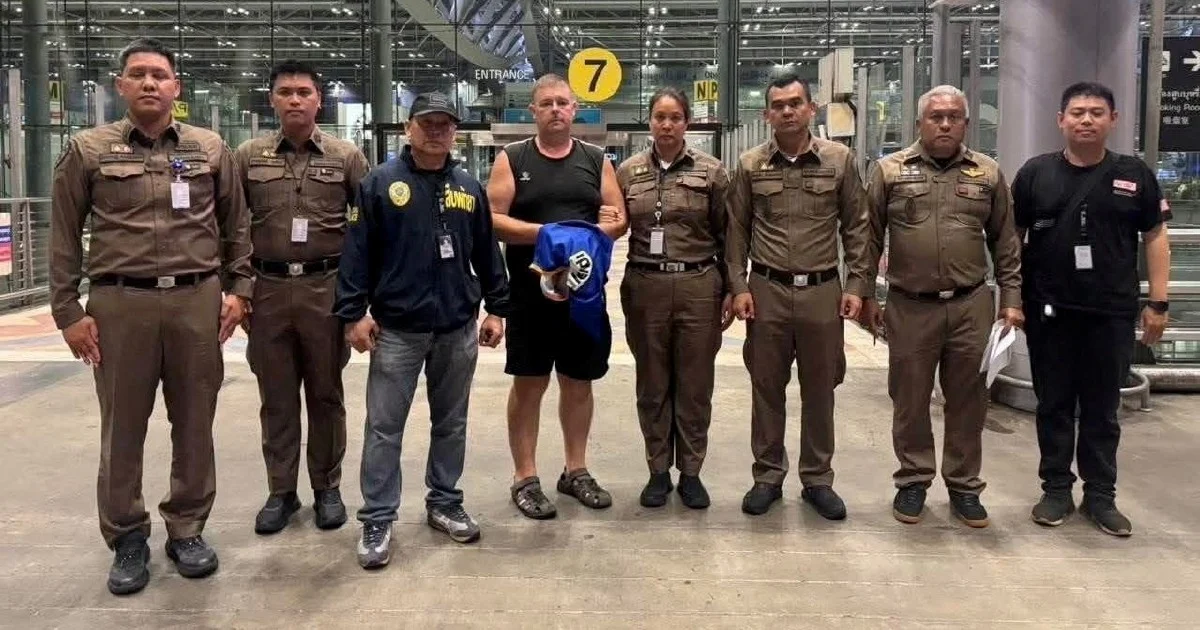
A murder investigation in Pattaya has left a Thai family grieving after the body of a 17-year-old girl was discovered concealed in a suitcase, with Thai authorities apprehending an Australian national and formally charging him with the homicide. The victim's relatives have described their overwhelming sorrow at the tragic circumstances surrounding her death, marking another distressing incident in the coastal resort city that has long grappled with safety concerns affecting both locals and visitors.
Pattaya, located in the Eastern Seaboard region of Thailand approximately 150 kilometres southeast of Bangkok, has developed a complex reputation as a major tourist destination. The city attracts hundreds of thousands of international visitors annually seeking beach leisure and entertainment, yet it simultaneously contends with challenges related to crime and exploitation that periodically make international headlines. This latest incident underscores persistent vulnerabilities, particularly regarding the safety of young individuals who may find themselves in precarious situations.
The arrest of the Australian suspect brings international dimensions to the investigation that will likely involve coordination between Thai law enforcement and Australian diplomatic authorities. Such cases typically trigger discussions about the treatment and protection of foreign nationals within Thailand's legal system, which operates under civil law principles distinct from common law jurisdictions like Australia. The serious nature of the murder charge indicates that investigative authorities have gathered sufficient evidence to proceed with prosecution, though Thai courts will ultimately determine the defendant's culpability.
The discovery method itself raises serious questions about the circumstances preceding the victim's death. The deliberate concealment of a body in luggage suggests premeditation and indicates an attempt to impede investigation or discovery. These factors often influence prosecutorial strategy and sentencing recommendations in capital offense cases within Southeast Asian jurisdictions, where murder carries severe penalties including potential imprisonment for life or death sentences in certain circumstances.
For Malaysian observers, this incident resonates within broader Southeast Asian conversations about transnational crime and the vulnerabilities of young people across the region. Thailand hosts significant numbers of Malaysian tourists and migrant workers, creating interconnected communities and shared security concerns. Similar cases involving foreign nationals have periodically affected Malaysian citizens travelling to Thailand, making this development relevant to considerations about personal safety and risk awareness among regional travellers.
The family's public expression of grief reflects both their private anguish and their willingness to engage with media scrutiny that typically accompanies high-profile criminal cases. In Thai culture, such family statements often serve multiple purposes: honouring the deceased, seeking justice through public awareness, and sometimes placing subtle pressure on authorities to ensure thorough investigation. This psychological dimension of criminal cases within Thai society often intersects with media coverage and public sentiment in ways that influence investigative momentum and judicial proceedings.
The incident highlights enduring tensions between Thailand's image as a welcoming tourist destination and its documented challenges with violent crime, exploitation, and trafficking. While authorities have invested significantly in tourism police units and safety initiatives, cases involving foreign perpetrators and vulnerable Thai victims periodically undermine confidence in security frameworks. This pattern affects not only Thailand's reputation but also creates cautionary narratives that influence travel decisions among Southeast Asian visitors and expat communities.
The Australian arrest also reflects Thailand's capacity and willingness to investigate crimes involving foreign nationals with seriousness proportionate to the charges. Thai criminal procedures have evolved considerably over recent decades, incorporating international best practices in forensic investigation and evidence handling, particularly in major cities like Pattaya where tourism-related crime receives elevated attention. However, observations by international observers regarding procedural transparency, legal representation access, and detention standards continue to shape perspectives about justice administration in such cases.
For the victim's family and community, the criminal process ahead will unfold over months or potentially years, involving interrogations, court hearings, and appeals if the case proceeds through conviction. Thai courts typically handle serious criminal matters with deliberation, and high-profile cases often generate extensive media coverage that can both aid investigation through public information and complicate proceedings through pretrial publicity. The family's grieving process will necessarily intertwine with the formal justice mechanisms that characterise modern criminal prosecution.
This tragedy also prompts reflection among Malaysian authorities and community leaders regarding travel safety briefings and support services for Malaysian nationals abroad. Regional diplomatic networks activate in response to such incidents to ensure citizens' welfare and legal protections, while consular services prepare for potential family liaison, evidence provision, and witness coordination. The case illustrates how individual crimes between nationals of different countries generate institutional responses across multiple governmental and non-governmental entities within the region.
The investigation's progression will likely reveal details about the victim's interactions with the suspect, circumstances preceding her death, and factors that may have rendered her vulnerable to such a grave outcome. These forensic and circumstantial details, once established through Thai judicial processes, will contribute to broader understanding of safety risks within specific contexts and relationships. For regional families sending young people into unfamiliar environments, whether for work, education, or leisure, such cases carry cautionary weight that influences parental vigilance and youth awareness campaigns.

