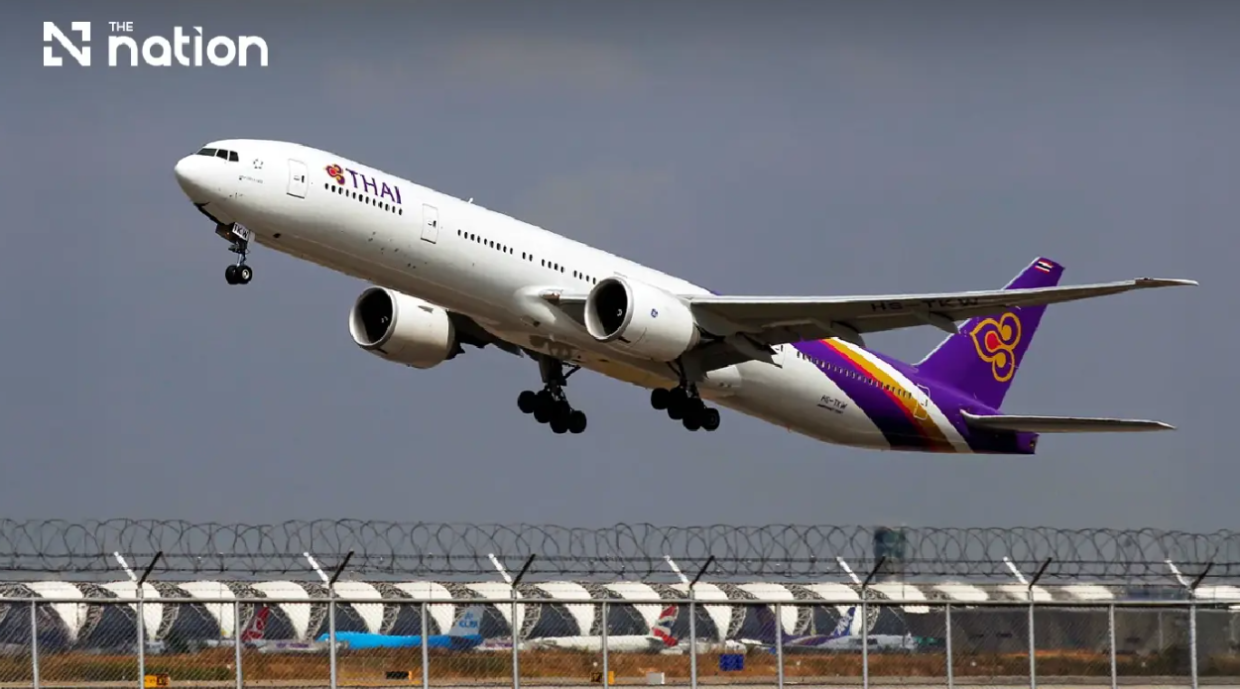
Thai Airways International has committed to working fully with Australian law enforcement following the arrest of a female cabin crew member at Melbourne Airport, with airline chief executive Chai Eamsiri assuring investigators that the carrier will not obstruct the legal process. The case has thrust Thailand's flag airline into an awkward position at a time when aviation safety and crew integrity remain critical concerns for carriers operating across the Asia-Pacific region.
The incident centres on a 26-year-old Thai Airways employee who was arrested after authorities discovered more than one kilogramme of heroin in her baggage upon arrival at Melbourne Airport on June 25. Australian Federal Police and the Australian Border Force have charged her with importing a marketable quantity of a border-controlled drug and possessing a marketable quantity of a border-controlled drug, offences that carry maximum penalties of 25 years imprisonment each. The confiscated narcotics carry an estimated street value of A$500,000, equivalent to approximately 11.5 million baht, underlining the scale of the alleged smuggling operation.
Chair Eamsiri acknowledged that Thai Airways has initiated its own parallel investigation, establishing a fact-finding and disciplinary panel tasked with completing their examination within seven days. Should the internal inquiry substantiate misconduct, the employee will face the airline's most severe sanction—termination of employment. This dual-track approach reflects the airline's desire to demonstrate both accountability and protective action to stakeholders while preserving the integrity of the criminal investigation.
The airline's leadership has been frank about the reputational damage inflicted by the arrest. Chai indicated that the incident may complicate travel procedures for Thai crew members and Thai nationals attempting to enter Australia, though he expressed confidence that international law enforcement agencies would assess cases individually rather than imposing blanket restrictions on all passengers from Thailand. This concern carries weight given Australia's stringent border security protocols and the potential ripple effects on bilateral travel and tourism.
Thai Airways operates a substantial workforce spanning more than 4,000 cabin crew members and over 1,000 pilots. Acknowledging that enforcing compliance across such a large employee base presents inherent challenges, Chai announced that the airline has instructed relevant departments to strengthen supervisory mechanisms in response to the incident. The carrier has long maintained rigorous procedures and protocols governing pilots, cabin crew, and other personnel, including mandatory pre-flight briefings covering applicable regulations, contraband items, and legal obligations.
The Civil Aviation Authority of Thailand (CAAT) has moved to assess the incident within the broader framework of aviation security. The regulator confirmed that it has liaised with both the airport operator and Thai Airways to examine factual details and scrutinise existing screening procedures. CAAT emphasised that passenger and baggage screening protocols at Thai airports adhere to CAAT requirements and align with International Civil Aviation Organization standards, suggesting that systemic lapses in ground security may not be the underlying issue.
CAA officials clarified an important jurisdictional distinction: aviation security screening operates primarily to prevent dangerous items that could jeopardise aircraft, passengers, and crew from boarding flights, whereas narcotics enforcement falls within the purview of law enforcement agencies requiring cross-border cooperation. This delineation is significant for Southeast Asian readers seeking to understand where responsibility lies in complex cases involving both aviation integrity and criminal smuggling.
The suspect made her initial remand appearance in custody on June 26 and is scheduled to return before Melbourne Magistrates' Court on September 14. Her extended detention underscores the severity with which Australian authorities treat border drug importation cases, and the substantial time gap between court appearances suggests the prosecution will build a detailed evidentiary case.
CAA has further indicated that should the internal investigation confirm misconduct, the regulator may take action regarding the crew member's aviation certificate, a measure designed to uphold aviation safety standards and maintain international confidence in Thailand's civil aviation oversight. This regulatory response would reflect the broader commitment among aviation authorities globally to ensure that workforce integrity remains paramount, particularly for crew members handling sensitive boarding and security functions.
For Malaysia and the broader Southeast Asian region, the case highlights ongoing vulnerabilities in supply-chain security within the aviation sector. As drug trafficking networks exploit international travel routes, airlines and regulators across the region face mounting pressure to balance operational efficiency with heightened vigilance. Thai Airways' swift response—internal suspension, disciplinary proceedings, and enhanced supervision—sets a benchmark for how carriers should respond when crew members breach trust and legal obligations, though the effectiveness of such measures ultimately depends on institutional commitment and rigorous execution.

