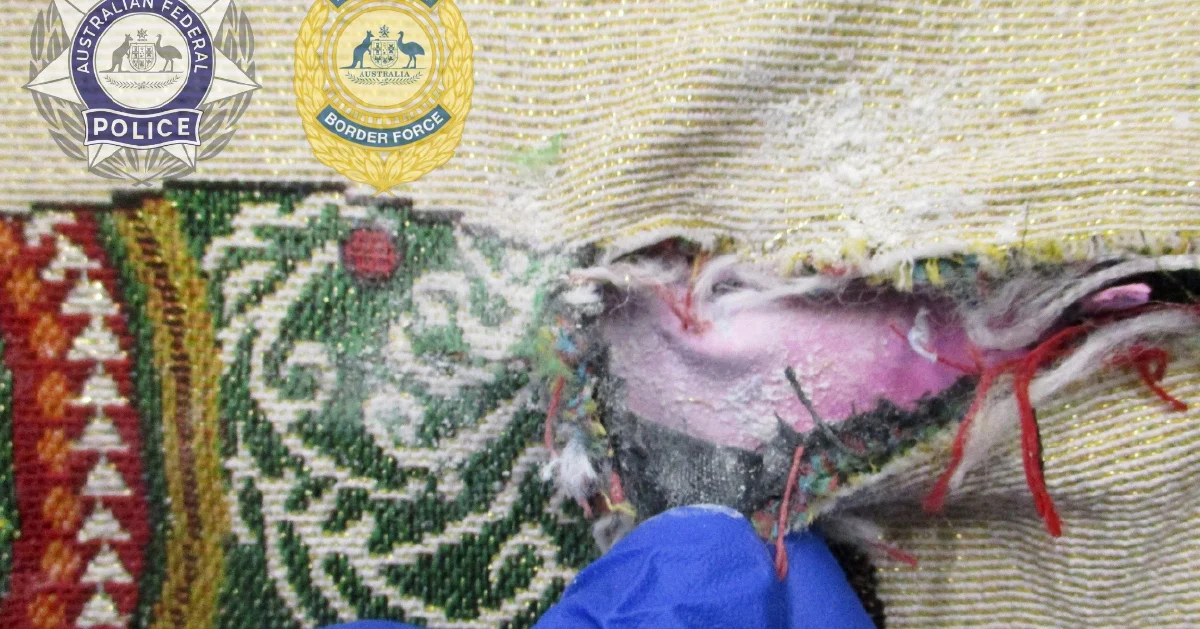
Australian Federal Police have charged a Thai Airways employee following the discovery of a substantial heroin consignment at Sydney, marking another case where airline staff have been implicated in international drug trafficking. Customs officials uncovered more than one kilogramme of the narcotic concealed within tote bags, leading to the arrest and formal charges against the crew member.
The seizure underscores persistent vulnerabilities within aviation security networks across the Asia-Pacific region. Airlines operating international routes remain attractive targets for criminal syndicates seeking to move contraband across borders, particularly given the access that legitimate employees possess to restricted airport areas and aircraft cargo systems. The use of seemingly innocuous items like tote bags to conceal substantial drug quantities reflects the sophistication of modern trafficking operations attempting to evade detection.
Thailand has emerged as a significant source country and transit point for heroin destined for Australian markets. The Golden Triangle—the border region encompassing Thailand, Laos, and Myanmar—continues producing substantial quantities of opium poppies processed into heroin for international distribution. While Australian authorities maintain strict border controls, the involvement of transportation workers creates opportunities for traffickers to exploit established supply chains and logistical networks.
The case demonstrates how law enforcement agencies across Oceania and Southeast Asia increasingly focus on breaking connections between trafficking organisations and their operatives embedded within legitimate businesses. Customs procedures at major Australian airports have been progressively enhanced, yet determined criminal networks persistently identify novel methods and personnel to circumvent these safeguards. The arrest suggests that intelligence sharing and profiling mechanisms detected suspicious behaviour that warranted closer inspection.
For Malaysia and the broader Southeast Asian region, this incident reinforces concerns about the regional drug trade's scope and the complicity of transportation workers. Kuala Lumpur International Airport and other major regional hubs remain vigilant against similar schemes, implementing advanced screening technologies and intelligence protocols to identify suspicious shipments and personnel. The interconnected nature of regional aviation networks means that vulnerabilities identified in one country's systems carry implications for neighbouring jurisdictions.
Airline companies operating across the region have implemented stricter employee vetting procedures and ongoing integrity monitoring, yet determined individuals continue attempting to exploit their positions. The financial incentives offered by trafficking organisations often exceed legitimate aviation wages, particularly for lower-ranking crew members, creating pressure points that security protocols struggle to address comprehensively.
Australian authorities have prosecuted numerous cases involving airline employees transporting heroin and other prohibited substances, establishing jurisprudence that treats such crimes severely. The charges against this Thai Airways employee will likely result in substantial custodial sentences, serving as a deterrent to other transportation workers contemplating involvement in trafficking networks. However, the persistence of such cases suggests that deterrence alone remains insufficient.
The timing and specific route involved in this attempted importation potentially indicates operational patterns that trafficking syndicates employ. Thai Airways' extensive network connecting Southeast Asian capitals with Australian cities creates regular opportunities for moving contraband. Law enforcement's successful interception demonstrates the value of routine, meticulous customs inspection procedures and intelligence-driven targeting of higher-risk passengers and shipments.
Regional cooperation mechanisms between Thai authorities, Australian law enforcement, and other Southeast Asian agencies have gradually improved intelligence sharing regarding trafficking patterns and known operatives. However, organisational capacity limitations in some countries and jurisdictional challenges continue complicating coordinated enforcement efforts. The arrest outcome will inform ongoing discussions within ASEAN frameworks regarding aviation security standards and personnel integrity assurance protocols.
For Malaysian authorities and airlines, this case reinforces the critical importance of maintaining robust internal security programs and fostering employee cultures where reporting suspicious behaviour carries no professional consequences. Several regional airlines have established dedicated hotlines and reward systems encouraging staff to report colleagues potentially involved in criminal activity, recognising that insider threats require differentiated countermeasures from conventional border security approaches.
The heroin market in Australia remains among the most lucrative illicit commodities globally, with organised crime networks continuously seeking fresh supply routes and distribution pathways. Southeast Asian trafficking organisations maintaining operational bases throughout Thailand, Myanmar, and Laos continue adapting methodologies following enforcement successes. The airline sector's inherent vulnerabilities—employee access, frequent border crossings, and high-volume cargo movement—ensure it remains an attractive avenue for criminal enterprises seeking to penetrate Australian markets.
This arrest reflects the global nature of modern drug trafficking challenges, where traditional enforcement alone proves insufficient absent systemic improvements in personnel security, cross-border intelligence coordination, and financial tracking capabilities. For Malaysia and the Southeast Asian region, continued investment in these areas remains essential to disrupting the sophisticated networks supplying heroin to Australian consumers while minimising opportunities for exploitation of legitimate transportation workers and infrastructure.

