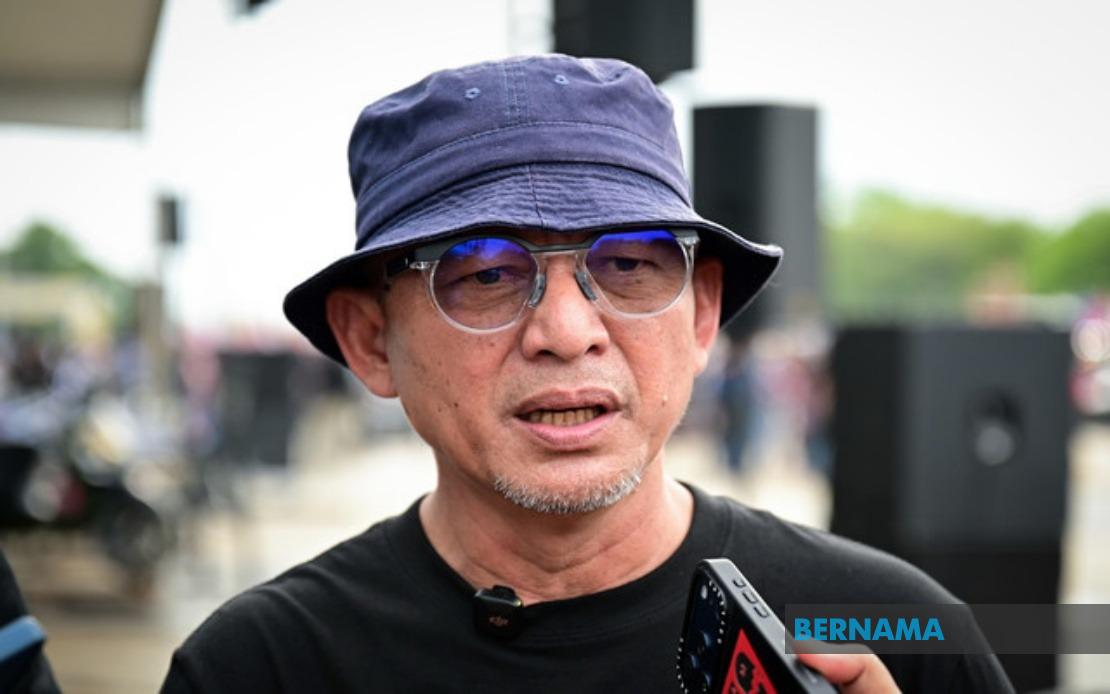
Terengganu state authorities have moved to defend their redesigned tourism identity, insisting that the new Visit Truly Terengganu 2027 logo successfully balances modern marketing aspirations with religious compliance. State Tourism Committee chairman Datuk Razali Idris elaborated on the decision-making process, underlining that every design element underwent careful scrutiny to satisfy both aesthetic and Islamic requirements. The rebranding exercise reflects growing attention across Malaysia to ensuring that state-level tourism initiatives do not conflict with religious sensitivities, a consideration that has become increasingly prominent in managing public imagery.
At the heart of the redesigned logo remains the turtle, an emblem Terengganu has cultivated for decades as its defining natural symbol. Rather than abandoning this recognisable identity, the state government chose to modernise and adapt the creature's representation. The revised depiction employs vibrant colouring and dynamic compositional elements that convey movement and vitality, a marked departure from the original 2007 design which Razali characterised as rigid and statue-like in appearance. This strategic decision preserves institutional and marketing continuity while demonstrating responsiveness to contemporary religious guidelines.
A particular challenge in the redesign centred on how Islamic jurisprudence addresses animal imagery in visual media. The new logo deliberately omits full anatomical details of the turtle, a choice rooted in scholarly interpretations of Shariah law regarding animal representations. Razali highlighted an additional religious dimension: Islamic tradition restricts the wearing of garments displaying detailed animal figures during prayer, a constraint that could affect merchandise distributed under the tourism brand. By rendering the turtle in stylised rather than literal form, the state government attempts to circumvent potential religious objections while maintaining visual recognition. This nuanced approach reflects the complexities of operating state institutions within Malaysia's plural religious landscape.
The logo overhaul extends beyond abstract compliance considerations. Terengganu has substantially expanded its tourism infrastructure in recent years, with several major developments reshaping the state's appeal to domestic and international visitors. However, state officials determined that revamping the visual identity would better position these new attractions while honouring the turtle's enduring significance in the state brand. The choice to upgrade rather than entirely replace the logo demonstrates institutional continuity, a messaging strategy that reassures stakeholders while signalling progress and modernisation to potential tourists.
Turning to visitor arrivals, Terengganu's tourism performance has generated optimism among state administrators. The first quarter of this year saw 2.45 million tourist visits across the state, encompassing both mainland attractions and the archipelago's renowned island resorts. These figures place Terengganu on trajectory to achieve its annual target of nine million visitors, an ambitious goal that underscores the state's strategic positioning as a major tourism draw within the Southeast Asian region. The numbers reflect sustained growth in domestic travel particularly, as Malaysians increasingly explore heritage and beach destinations within their own country.
Vehicle traffic data further corroborates the tourism influx. Toll plaza records documented 600,000 vehicle entries during March and April, a figure that escalated to 829,000 in May before moderating to 608,000 in June. These measurements provide tangible indicators of visitor movement, though state officials acknowledge that final reconciliation of these counts will occur once complete six-month data becomes available for presentation to the state legislative assembly. The variance in monthly figures likely reflects seasonal patterns and school holiday periods, factors that customarily influence domestic travel patterns throughout Malaysia.
The tourism committee's confidence in achieving year-end targets rests on multiple foundations. Beyond the base figures already recorded, Terengganu benefits from its geographical proximity to major population centres in the Klang Valley and surrounding regions, a proximity that facilitates weekend and short-holiday visits. The state has invested substantially in hospitality infrastructure, including boutique resorts and heritage tourism facilities that appeal to varied visitor demographics. Additionally, cultural events like the Terengganu Classic Festival 2026—which recently concluded at Dataran Shahbandar with nearly 10,000 attendees viewing over 500 vintage vehicles—demonstrate the state's capacity to attract interest through niche and specialised tourism offerings.
The logo redesign carries significance that extends beyond Terengganu's borders. As Malaysia's states increasingly compete for tourism revenue and international recognition, how they navigate religious and cultural sensitivities while projecting modern identities becomes a consequential question. Terengganu's approach—preserving iconic imagery while rendering it compliant with Islamic standards—offers a practical template that other states may observe and potentially emulate. This balance between tradition and contemporary religious consciousness reflects broader dialogues occurring throughout Malaysia regarding how public institutions can authentically represent their communities and constituencies.
From a practical marketing standpoint, the new logo will proliferate across consumer-facing materials and merchandise, making visual compliance an operational reality rather than merely theoretical consideration. Tourist apparel, souvenirs, signage, and digital platforms will carry the redesigned imagery, ensuring that the state's tourism brand encounters millions of touchpoints with visitors. The durability of this design choice—which officials indicated will serve as the long-term identity—suggests that state authorities conducted extensive internal consultation and testing before finalisation, a methodological rigour that lends credibility to assertions of compliance.
Looking forward, Terengganu's tourism trajectory will provide valuable data regarding whether rebranding correlates with visitor growth and market penetration. The state's willingness to undertake substantive redesign while maintaining symbolic continuity suggests institutional sophistication in managing identity during periods of tourism expansion. Whether domestic visitors and international tourists meaningfully respond to the updated visual identity will emerge from subsequent arrival statistics and visitor surveys. For now, state authorities remain optimistic that their efforts to reconcile aesthetic modernisation with religious compliance will strengthen Terengganu's competitive positioning in Malaysia's increasingly crowded tourism marketplace.

