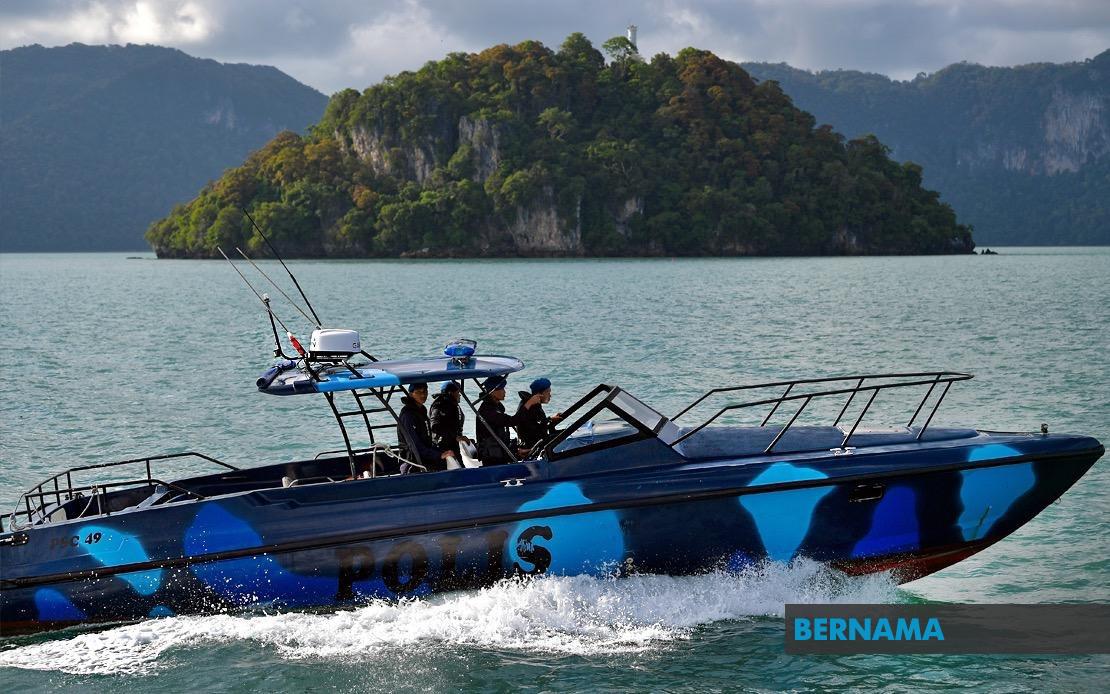
The Terengganu state government is moving to address mounting concerns over degradation of coral ecosystems at Pulau Redang, announcing plans for a comprehensive stakeholder engagement session aimed at tackling the environmental crisis. The meeting, to be held between August 26 and 28 in Kuala Terengganu, will bring together tourism operators, government agencies, and other relevant parties to examine the root causes of coral reef damage and identify systemic gaps in the current enforcement framework protecting the island's marine resources.
Datuk Razali Idris, chairman of the Terengganu Tourism, Culture, Environment and Climate Change Committee, signalled the seriousness of the state's approach by framing the engagement session not merely as a consultation forum but as a prelude to more rigorous regulatory action. The committee has grown increasingly concerned that recreational boats operating in the area have been anchoring in zones explicitly designated as off-limits, causing substantial damage to coral formations that have taken decades or even centuries to develop. This degradation threatens both the ecological integrity of one of Malaysia's premier marine destinations and its long-term viability as a tourism draw.
The timing of this initiative reflects broader tensions within the tourism sector. On one hand, Pulau Redang generates significant economic value for local communities and operators through day-trip services, diving expeditions, and resort activities. On the other hand, unchecked commercial activity poses an existential threat to the very natural assets that underpin this economic model. Razali's public statements suggest the committee recognises this paradox and is preparing to enforce a more stringent balance between profit incentives and environmental protection.
One particularly troubling aspect highlighted in preliminary reports concerns day-trip boat operations. These vessels, often carrying multiple passengers on short excursions to snorkel or swim, have allegedly been anchoring indiscriminately without regard for protected zones or existing coral formations. Such behaviour, if substantiated during the August investigation, would represent a clear violation of existing maritime and environmental regulations. The committee has indicated that operators engaging in such practices cannot expect leniency, framing environmental stewardship as a non-negotiable obligation rather than a discretionary business consideration.
The state government is reportedly considering more substantial regulatory reforms beyond enhanced enforcement of current rules. These contemplated measures include a comprehensive review of day-trip operation permits, potentially leading to stricter issuance criteria or reduced operational quotas. Additionally, authorities are examining the feasibility of significantly increased financial penalties for operators caught violating anchoring restrictions or other environmental protocols. Such reforms would signal a departure from softer regulatory approaches that may have inadvertently incentivised non-compliance.
For Malaysian and Southeast Asian tourism stakeholders, this development carries important implications. As regional destinations increasingly confront the tension between tourism revenue and environmental degradation, Terengganu's response at Pulau Redang could establish a precedent for more forceful government intervention. The island's status as a premier marine tourism asset means that decisions made here will likely influence policies at other sensitive ecological sites across Malaysia and potentially throughout the region.
Razali's comments underscore a philosophical shift in how environmental protection is framed within policy discussions. Rather than presenting conservation and economic development as compatible objectives requiring minimal trade-off, he has positioned them as fundamentally competing interests where meaningful environmental gains require accepting some commercial constraints. This reframing matters because it potentially legitimises future regulatory decisions that prioritise ecosystem integrity over immediate business interests.
The three-day engagement session will serve as a critical information-gathering exercise. Authorities intend to move beyond general acknowledgment that coral damage has occurred and instead develop a precise understanding of which operators are responsible, what specific anchoring practices cause the most damage, and why existing regulations have proven insufficient to prevent violations. This forensic approach suggests the committee is preparing a case for more assertive government action backed by documented evidence.
Environmental groups and conservation-minded stakeholders have long advocated for precisely this type of intervention. NGOs and community organisations working on marine conservation at Pulau Redang have invested substantial effort in restoration initiatives, only to see their progress undermined by commercial operators prioritising short-term gains. The state government's willingness to address these concerns through formal investigation and potential regulatory strengthening represents a significant acknowledgment that the status quo is untenable.
Looking ahead, the outcomes of the August engagement session will determine whether Terengganu opts for incremental reform or more transformative changes to tourism management at Pulau Redang. Stakeholders across the spectrum—from commercial operators concerned about permit restrictions to conservationists advocating for marine protection—will be watching closely. The committee's insistence that some operators cannot be accommodated or exempted from stricter enforcement suggests the government is prepared to absorb potential political costs from tour operators in pursuit of environmental objectives.
For Malaysian readers and regional observers, this situation reflects a wider reckoning with the limits of voluntary environmental stewardship in tourism-dependent economies. Pulau Redang's experience demonstrates that without credible enforcement mechanisms and consequences for non-compliance, even well-intentioned conservation frameworks struggle against the economic incentives driving destructive practices. Whether the state government follows through with substantive regulatory reforms will reveal whether this engagement session represents genuine policy evolution or merely performative consultation.

