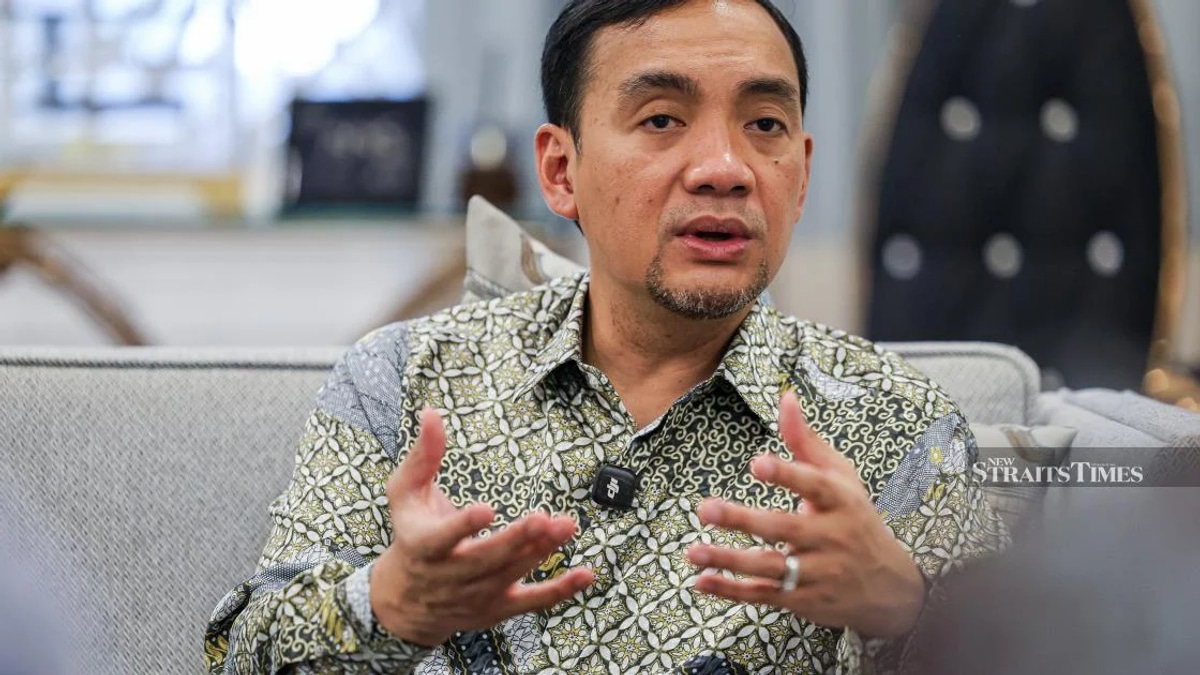
Tengku Datuk Seri Zafrul Tenguk Abdul Aziz, who serves as a senior political adviser within the Prime Minister's Office, has formally signalled his intention to pursue electoral candidacy in Selangor when Malaysia holds its 16th General Election. The move represents a significant political development as the high-ranking government official transitions from a behind-the-scenes advisory role to seeking direct electoral validation through parliamentary representation in the country's most economically dynamic and populous state outside the federal territories.
As a close confidant of the prime minister, Tengku Zafrul's entry into electoral politics marks another instance of senior government figures seeking to consolidate their political influence through direct constituency representation. The Selangor focus underscores the state's continued importance as a political battleground, where control of parliamentary seats directly impacts both federal and state-level political dynamics. The state, which encompasses the Klang Valley and extends across multiple constituencies, has historically been a crucial testing ground for parties seeking to gauge their electoral strength and public support.
Tengku Zafrul's proposal carries implications beyond his individual political ambitions. His decision to put himself forward for candidacy reflects broader calculations within government circles about the timing and composition of Malaysia's next electoral contest. The 16th General Election, which must be held by mid-2028 under constitutional requirements, looms as a critical juncture for the current administration, and the participation of established government figures like Tengku Zafrul could signal confidence in the ruling coalition's electoral prospects or attempts to strengthen their parliamentary position ahead of what many analysts anticipate will be a closely contested poll.
The timing of his candidacy proposal is noteworthy given Malaysia's evolving political landscape. The country has experienced significant electoral volatility over the past decade, with shifting voter preferences, the fragmentation of traditional political coalitions, and demographic changes reshaping traditional voting patterns. Selangor, home to a diverse and increasingly educated electorate spanning multiple ethnic communities and income levels, presents both opportunities and challenges for any candidate seeking to secure and retain a parliamentary seat.
Tengku Zafrul's background and position within government machinery provide him with substantial institutional advantages in any electoral campaign. His proximity to the prime minister grants him visibility and access to party machinery that most aspiring candidates do not possess. However, his transition from advisory roles to electoral politics also carries inherent risks, as advisory positions typically insulate officials from direct public accountability, whereas parliamentary contests expose candidates to scrutiny of their public records and policy positions.
The Selangor choice itself merits closer examination. The state has emerged as a crucial political battleground where both federal ruling coalitions and opposition alliances have invested significant resources and attention. Selangor's 26 parliamentary constituencies represent diverse communities ranging from affluent suburban areas to industrial zones and rural constituencies. This heterogeneity means that any candidate must appeal across multiple demographic segments and articulate positions on both federal and state-level concerns that resonate with the electorate.
Tengku Zafrul's formal proposal for candidacy will likely trigger discussions within his political party about seat allocation and candidate selection strategies. Political parties must balance rewarding established figures and government loyalists with the imperative to field candidates capable of winning constituencies in highly competitive electoral environments. His government position and advisory role may command respect within party structures, but electoral viability ultimately depends on constituency-level groundwork and public support.
The broader context of this candidacy proposal reflects ongoing tensions within Malaysian politics between maintaining government stability through established figures and adapting to evolving voter preferences that sometimes favour fresh faces or outsiders to traditional political establishments. The 16th General Election will test whether voters reward government continuity and experience or whether they seek change and new leadership directions. Tengku Zafrul's decision to contest will provide insights into how the ruling coalition perceives its electoral position and which candidates it believes can secure marginal and competitive seats.
For Selangor specifically, Tengku Zafrul's potential candidacy adds another dimension to what is expected to be intensely competitive parliamentary contests. The state's political significance extends beyond its numbers of parliamentary seats; it serves as a bellwether for national political trends and voter sentiment toward the federal government. Candidates who successfully secure Selangor seats often emerge as influential figures in subsequent parliamentary proceedings and government formations.
Looking ahead, Tengku Zafrul's proposal will require formal endorsement and approval through party nomination processes. These procedures typically involve evaluations of candidate electability, party loyalty, and strategic considerations about resource allocation across multiple constituencies competing for similar party resources. The outcome of his bid for candidacy approval will reveal internal party dynamics and leadership priorities regarding seat distribution and candidate selection in the period leading up to Malaysia's next general election.