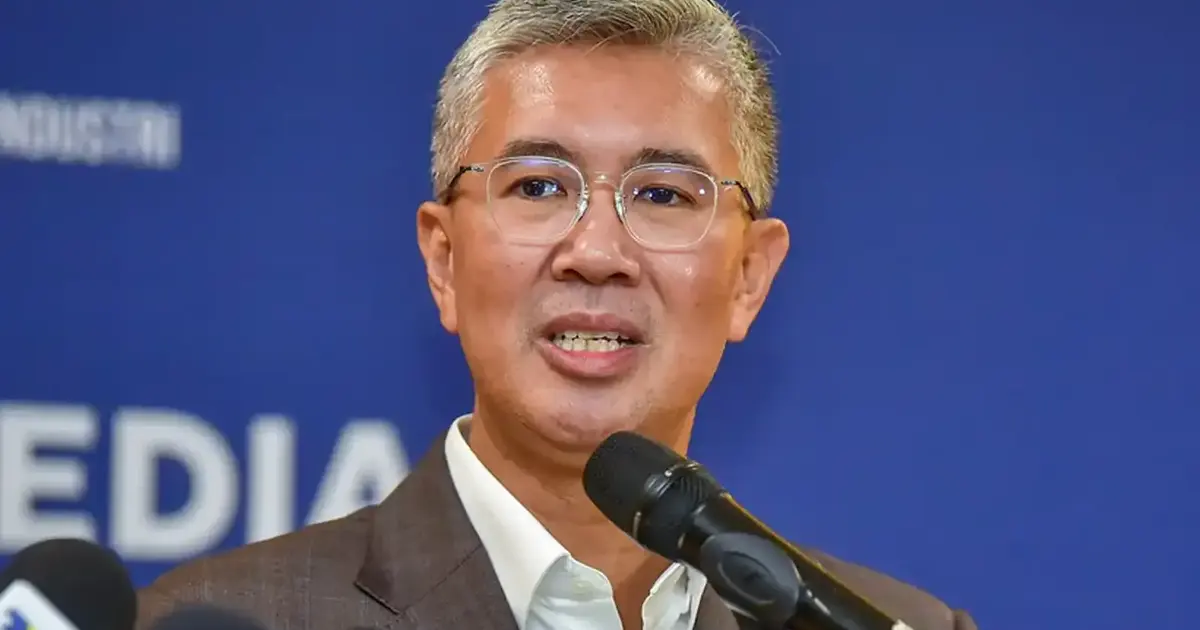
Tengku Zafrul Aziz has signalled his intention to return to parliamentary politics by pursuing a seat in Selangor at the forthcoming general election, setting the stage for a possible political comeback after experiencing electoral defeat in the previous national polls. The former federal minister, who has remained politically active despite stepping back from high office, views the next general election as an opportune moment to reclaim a parliamentary position and re-establish his standing within his party.
In the 15th general election held in 2022, Tengku Zafrul contested the Kuala Selangor constituency as the Umno candidate but was unable to secure victory. His opponent, Dzulkefly Ahmad, who holds the position of vice-president within the Amanah party, prevailed in the contest, reflecting the electoral dynamics and voter preferences in that particular constituency at that time. The loss marked a significant moment for Tengku Zafrul, who had previously held ministerial portfolios and maintained considerable influence within Umno's upper echelons.
The state of Selangor remains a crucial battleground for national politics, given its substantial population, economic significance, and the diverse socioeconomic composition of its electorate. The state has historically served as a testing ground for political strategies and has delivered shifting majorities across different electoral cycles. For Umno specifically, Selangor represents territory where the party seeks to recover influence and rebuild its electoral presence following years of challenging political circumstances that have affected the coalition's overall performance.
Tengku Zafrul's renewed interest in contesting reflects broader patterns within Malaysian political parties, where experienced politicians frequently seek fresh opportunities to serve in parliament. His ministerial background and established political networks position him as a significant candidate capable of attracting attention both within party machinery and among potential voters. The decision to pursue a Selangor seat rather than attempting a challenge elsewhere suggests strategic calculation regarding electoral viability and party support mechanisms.
The Kuala Selangor constituency, where he previously competed, remains a viable option should internal party processes determine it the appropriate venue for his candidacy. However, alternative Selangor seats may also present opportunities depending on candidate selection procedures and party strategic assessments of where different politicians can most effectively advance electoral objectives. The timing of such candidacy decisions typically coincides with party divisions of seats and overall campaign preparation as the electoral calendar advances.
For Malaysian voters and political observers, Tengku Zafrul's bid represents one element within the complex jigsaw of parliamentary candidate selections that will unfold across all major political parties in the months preceding the general election. His experience in government and track record in public service will likely feature prominently in party messaging and campaign communications. The outcome of internal party deliberations regarding his candidacy will provide insights into Umno's strategic priorities and how the party intends to distribute its resources across different constituencies and regions.
The political landscape in Malaysia has undergone substantial transformation since GE15, with shifts in coalition alignments, evolving voter sentiments, and changing dynamics within individual parties. These transformations may influence the reception of candidates seeking to reclaim seats or establish new parliamentary presence. Tenguk Zafrul's ambitions must therefore be understood within this evolving context, where previous electoral results do not automatically determine future outcomes, and political configurations continue adapting in response to contemporary events and public sentiment.
Selangor's electorate, numbering among the most substantial in the country, comprises urban professionals, industrial workers, and suburban residents with diverse economic interests and political viewpoints. Winning in such diverse constituencies requires candidates to construct broad-based appeals and demonstrate understanding of local concerns ranging from infrastructure development and cost of living pressures to educational provision and environmental sustainability. These factors will prove crucial for any politician, including Tengku Zafrul, seeking to convince voters to support their candidacy.
The broader implications of Tengku Zafrul's candidacy intentions extend beyond his individual political fortunes to reflect Umno's overall strategic positioning as it prepares for electoral competition. The party's candidate selection processes, the constituencies where it chooses to field experienced politicians, and the resources it allocates to different regions all communicate important messages about party priorities and confidence levels in various electoral battlegrounds. Whether Tengku Zafrul receives party nomination and subsequently succeeds in his parliamentary ambitions will form part of the larger narrative of Umno's electoral revival or continued challenges.
As the nation moves toward the next general election, political parties across the spectrum continue finalizing their candidate lists and articulating campaign messages designed to resonate with Malaysian voters. Tengku Zafrul's keen interest in contesting a Selangor seat adds another dimension to these unfolding candidate deliberations, particularly within Umno's internal processes. The coming months will reveal whether his aspirations translate into formal nominations and whether the electorate will grant him the opportunity to return to parliament following his previous electoral setback.