Tengku Puteri Seri Kemala Tengku Datuk Seri Aishah, the elder sister of Pahang Sultan Al-Sultan Abdullah Ri'ayatuddin Al-Mustafa Billah Shah, was committed to the Royal Mausoleum in Pekan on August 27 following her death at age 69. She passed away the previous evening at a Kuala Lumpur hospital, marking the end of a life spent within Malaysia's royal circles during a period of significant constitutional and political transformation across the nation.
The funeral arrangements reflected the dignity accorded to members of the extended royal family, with proceedings conducted across multiple locations spanning Kuala Lumpur and Pahang state. Initial religious rites took place at the Khalid bin Al-Walid Mosque situated on Jalan Padang Tembak in the capital, establishing the customary spiritual foundation for the deceased's journey. From there, the remains were transported via Subang Air Base, marking the formal transfer from the federal capital to Pahang, where the final ceremonies would unfold in the royal heartland.
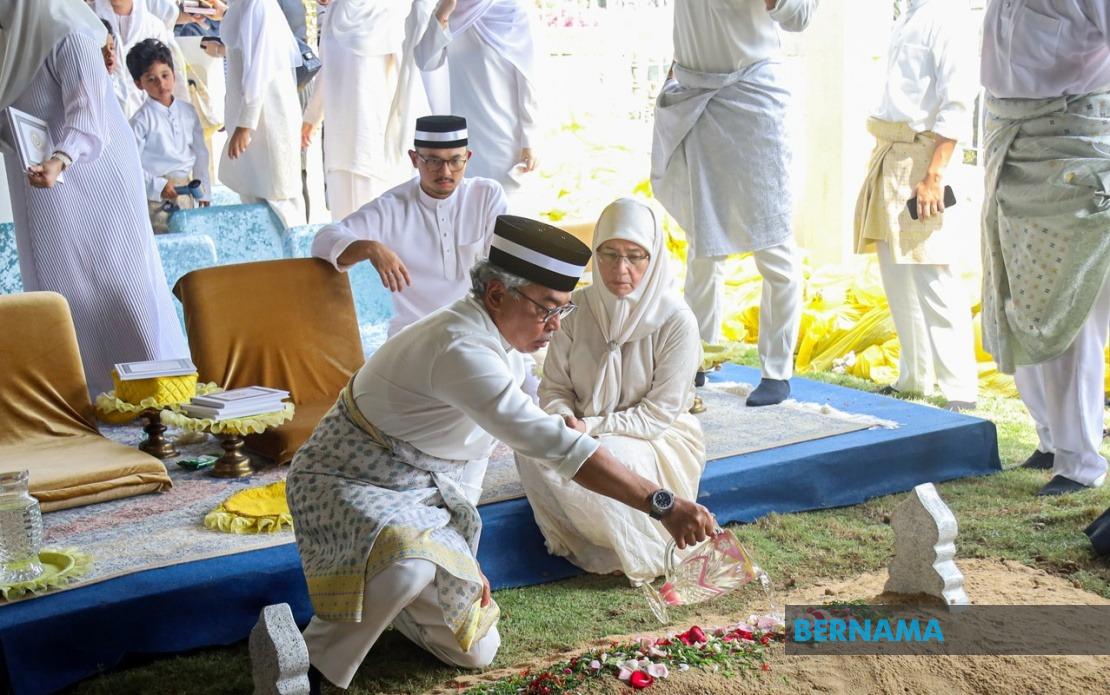
Al-Sultan Abdullah presided over the committal alongside his consort, Tengku Ampuan of Pahang Tunku Azizah Aminah Maimunah Iskandariah, accompanied by their son Tengku Mahkota of Pahang Tengku Hassanal Ibrahim Alam Shah. The presence of the reigning sultan and his immediate family underscored the significance of honouring a senior member of the royal household, demonstrating the continuity of family ties that bind Malaysia's hereditary monarchy through successive generations. The intimate nature of the core family's participation reflected both personal grief and public duty.
State dignitaries joined the proceedings to offer their respects, including Melaka Yang Dipertua Negeri Tun Mohd Ali Rustam and Pahang Menteri Besar Datuk Seri Wan Rosdy Wan Ismail. Their attendance highlighted the interconnected nature of Malaysia's federal system, where state rulers and chief executives collaborate on matters affecting the monarchy and national governance. The presence of representatives from multiple states recognised both the regional significance of the Pahang sultanate and the broader respect held across the federation for members of the royal families.
The remains arrived at Sultan Ahmad 1 Mosque in Pekan at 1.25 pm, where congregational prayers were conducted following the zuhur prayer time. This timing synchronised the funeral rites with the Islamic prayer schedule, ensuring that the ceremony unfolded according to established religious protocols that have guided Malaysian royal funerals for generations. The mosque's proximity to the final resting place streamlined the transition from prayer to burial, a practical consideration that also reflected the centuries-old relationship between religious institutions and royal authority in Pahang.
Following the conclusion of prayers, the cortege proceeded to the Royal Mausoleum situated adjacent to the mosque, where the burial ceremony proceeded with full state honours befitting a senior royal. Pahang Mufti Datuk Dr Asmadi Mohamed Naim led the recitation of Yasin, the Islamic chapter traditionally recited at funerals, establishing the spiritual context for the final committal. The subsequent tahlil and prayers completed the religious framework governing the burial itself, ensuring that every element conformed to Islamic jurisprudence as interpreted within the Malaysian context.
The ceremony concluded with a poignant gesture as Al-Sultan Abdullah and Tunku Azizah performed the traditional ritual of sprinkling rose water and scattering flowers upon the grave. This act, steeped in both Islamic tradition and Malaysian royal custom, represented a final farewell from the immediate family to their departed relative. The symbolism carried weight beyond mere formality, embodying the respect and affection within the royal household while providing a visible expression of mourning that resonated with observers from various cultural and religious backgrounds across Malaysia's diverse society.
Tengku Puteri Seri Kemala's passing marks another generational transition within Malaysia's royal establishment, which has witnessed considerable evolution since the federation's formation. The Pahang sultanate, one of the nation's most historically significant royal houses, maintains its prominence through both constitutional role and popular regard. The careful execution of her funeral rites—encompassing Islamic religious obligations, Malaysian state protocol, and family observances—demonstrated how traditional authority structures continue functioning within the framework of modern Malaysia's constitutional monarchy.
The Royal Mausoleum in Pekan serves as the final resting place for generations of Pahang royalty, making Tengku Puteri Seri Kemala's burial part of a continuity spanning centuries. Pekan itself carries deep symbolic meaning for the sultanate, having served historically as the royal seat and maintaining its status as a centre of cultural and political significance. The choice of this location ensured that her interment connected her final resting place with the broader legacy of the Pahang dynasty and its enduring role in Malaysian governance and society.

