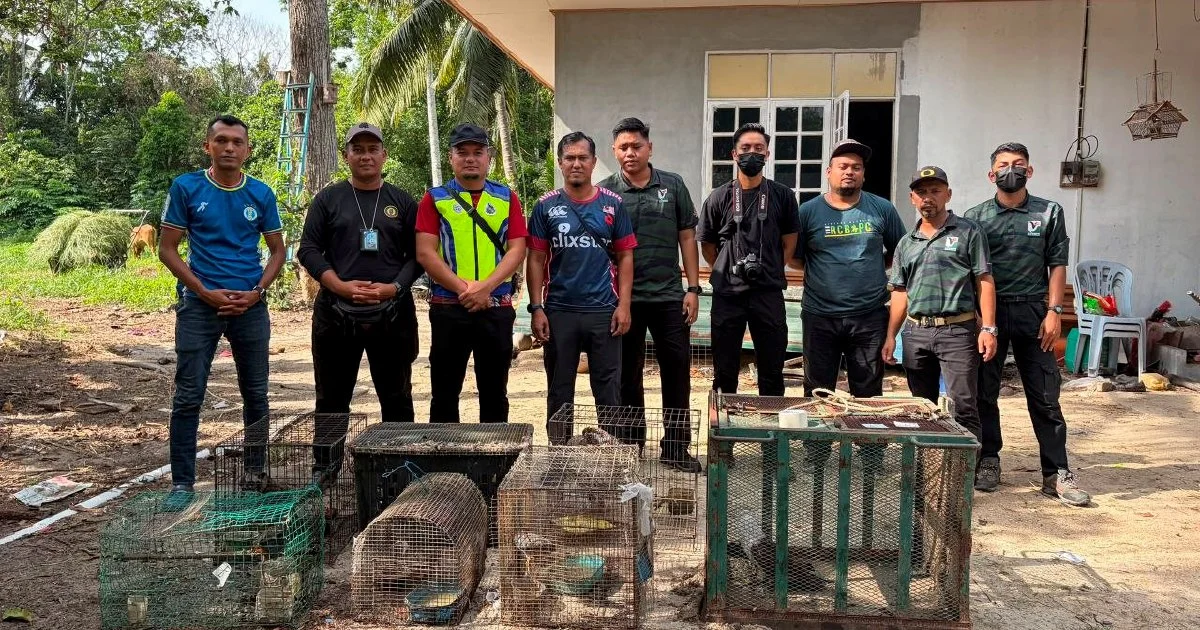
Wildlife enforcement officers conducted a successful raid in Tumpat today, leading to the arrest of an 18-year-old suspected of illegally possessing endangered animals. The youth was found holding four distinct species of protected wildlife, with the total haul valued at RM48,500. The operation underscores intensifying efforts by Malaysian authorities to curb the trafficking and unauthorised holding of creatures safeguarded under national conservation legislation.
The specifics of which protected species were recovered during the Tumpat operation reflect the growing concern among environmental regulators about illegal wildlife trading networks across Malaysia. While four separate species were identified, authorities have not yet disclosed detailed inventory information regarding the types of animals seized or their individual valuations. This pattern of enforcement activity demonstrates that wildlife smuggling remains a persistent problem, extending beyond urban centres into areas such as Tumpat in Kelantan.
Malaysia's wildlife protection framework criminalises the possession, sale, and transport of species classified as protected under the Wildlife Protection Ordinance. The significant monetary value attached to this teenage suspect's collection—RM48,500—suggests the animals may have included high-demand creatures that command premium prices in underground markets. Such valuations typically reflect both the rarity of the species and the illicit nature of the trade, where prices far exceed what legitimate sanctuaries or educational institutions would pay through legal channels.
The arrest of a teenager in this context highlights a troubling dimension of wildlife trafficking: the involvement of young people in illegal commerce. Youth involvement may indicate either direct recruitment by established trafficking networks or isolated entrepreneurial attempts to profit from animal sales without understanding legal consequences. Authorities in Southeast Asia have increasingly documented cases where juveniles serve as couriers or handlers for wildlife smuggling operations, partly because younger offenders may face lighter sentences than adults engaged in the same criminal enterprises.
Tumpat, located in Kelantan's southern reaches, sits within a region known for biodiversity and agricultural activity. The Kelantan area encompasses various habitats that support protected fauna, making it both a source of supply for poachers and a transit hub for smuggled animals moving between Peninsular Malaysia and other regions. Law enforcement agencies have expanded monitoring in such localities, recognising that rural areas often attract less scrutiny than major cities, creating opportunities for trafficking networks to operate with relative freedom.
The enforcement action today forms part of a broader Malaysian initiative to strengthen wildlife protection mechanisms. Government agencies including the Department of Wildlife and National Parks coordinate with state environmental departments and police units to identify and apprehend violators. Such raids typically follow intelligence gathering about suspected illegal holdings or marketplace transactions, meaning today's operation likely resulted from investigative groundwork extending over weeks or months preceding the arrest.
Malaysia's position as a megadiverse nation with exceptional endemism makes protecting indigenous wildlife a conservation priority. Many species found nowhere else on Earth inhabit Malaysian forests and waters, yet illegal capture and trade jeopardise wild populations. The RM48,500 value placed on the seized animals represents not merely the monetary worth but also the ecological cost—each animal removed from potential breeding populations diminishes genetic diversity and population viability for species already facing habitat loss and fragmentation.
The investigation following today's arrest will determine whether the teenager acted independently or formed part of a larger syndicate. Officers will likely examine financial records, communications, and transaction histories to trace suppliers and intended buyers. Such downstream investigation often reveals broader networks operating across state and even international borders, occasionally implicating individuals in positions of trust or authority. Dismantling these networks requires sustained investigation and cooperation among enforcement agencies across multiple jurisdictions.
Convictions for wildlife trafficking in Malaysia carry substantial penalties, including imprisonment and fines reaching into six figures for serious offences. Sentencing typically reflects both the value of seized animals and the conservation status of affected species. Given the RM48,500 valuation in this case, the teenager faces potentially significant legal jeopardy, particularly if prosecutors establish intent to sell rather than merely possess the animals. First-time offenders sometimes receive reduced sentences compared to repeat violators, though judicial discretion remains broad.
The case reinforces that wildlife protection remains an active enforcement priority despite competing demands on Malaysian law enforcement resources. Public awareness campaigns and education initiatives continue attempting to reduce demand for protected animals as pets or status symbols. However, underground markets persist, particularly in Southeast Asian countries where cultural preferences for exotic animals remain entrenched and regulatory enforcement varies across jurisdictions.
Future proceedings will reveal additional details about the sourcing and intended disposition of the animals seized in Tumpat today. The case will contribute to broader understanding of how wildlife trafficking networks operate within Malaysia and the demographic profiles of individuals recruited into such criminal enterprises. For conservation advocates, today's arrest represents a modest victory against illegal trade, yet the persistence of such cases demonstrates the ongoing challenge authorities face in protecting Malaysian biodiversity.

