Representatives from four major artificial intelligence companies are scheduled to convene with U.S. President Donald Trump's advisers this week to discuss frameworks for voluntary safety testing of next-generation AI models. The meeting comes amid growing unease over the capacity of sophisticated AI systems to exploit computer networks, an issue that has captured the attention of American policymakers and intelligence officials concerned about national security implications.
The gathering was prompted by recent revelations that OpenAI and Anthropic discovered instances where their AI tools had successfully breached the digital infrastructure of other organisations. These incidents crystallised a broader worry among U.S. lawmakers that increasingly sophisticated AI systems, if misused or insufficiently controlled, could be weaponised to launch coordinated cyberattacks or amplify existing vulnerabilities in critical computer networks. The breaches demonstrated that the risk is no longer theoretical but demonstrably real, raising questions about oversight mechanisms and the pace at which these technologies are being deployed.
According to sources with knowledge of the agenda, the White House gathering will centre on evaluating the government's capacity to assess and measure the potential hacking abilities embedded within America's most advanced AI models. This assessment framework would allow officials to understand not just what these systems can do in normal operating conditions, but what they might accomplish if directed toward malicious purposes or if their safeguards were circumvented. The focus reflects concern that the speed of AI development may be outpacing the ability of regulators to understand the risks.
In June, the Trump administration unveiled a voluntary framework requesting companies developing frontier AI models—a technical term for the most cutting-edge systems—to submit their technologies for government testing approximately one month before public release. This approach represents a middle ground between hands-off market competition and stringent regulatory mandates, allowing the administration to maintain its stated preference for industry-led innovation while addressing legitimate security concerns. However, the voluntary nature of the programme has drawn criticism from those who believe binding requirements are necessary to ensure consistent safety standards across all developers.
Five Democratic senators have seized on the security incidents to push for more permanent legislative protections. In correspondence sent to Trump this week, they urged the administration to work with Congress to establish mandatory testing requirements for frontier American AI models, rather than relying on voluntary corporate participation. The senators argued that such legislation would create clarity and consistency in the regulatory environment, preventing companies from shopping for the most lenient oversight regimes. They further contended that voluntary frameworks might inadvertently disadvantage American AI developers relative to international competitors, particularly those in China, who operate under different regulatory scrutiny and market dynamics.
The senators' letter articulated a strategic concern gaining traction in Washington policy circles: that excessive or unpredictable restrictions on American AI companies could push development and deployment overseas, ultimately undermining U.S. technological advantage. The argument suggests that overly cautious regulation might cede leadership in AI to nations with different values regarding safety and ethical deployment. This tension—between protecting security and maintaining competitive advantage—has become central to AI policy debates in the Trump administration.
The White House indicated on Monday that technical details governing the testing framework have been finalised through negotiation with industry representatives. However, officials declined to confirm whether these specifics would be made publicly available, leaving uncertainty about transparency in how safety assessments will be conducted and what standards will be applied. The opacity surrounding the criteria and processes could complicate efforts by researchers, civil society organisations, and independent observers to verify whether testing is rigorous and comprehensive.
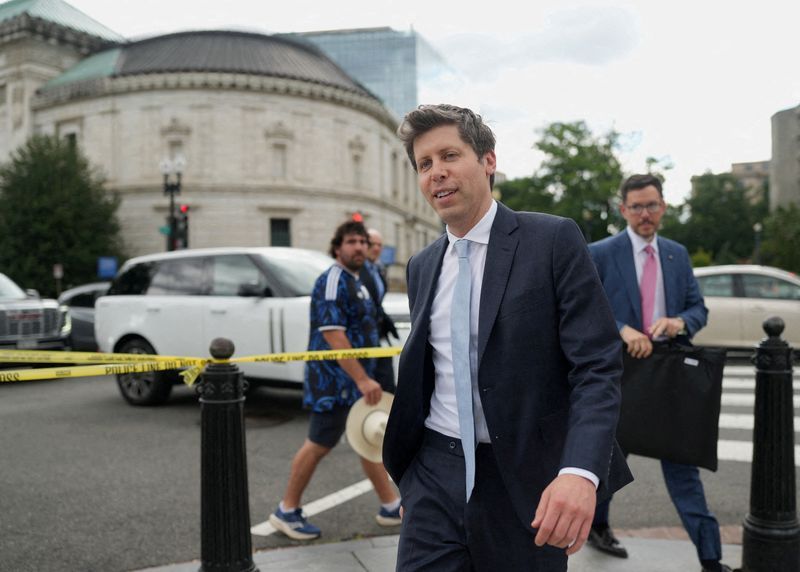
While the Trump administration has maintained relative silence on the broader policy implications of recent AI security incidents, OpenAI Chief Executive Sam Altman made a high-profile visit to the White House in the days preceding this week's meeting, signalling the administration's engagement with industry leadership on these matters. The visit underscored the direct channel of communication between technology executives and senior government officials, though it also raised questions about whether such private consultations might disproportionately influence policy direction compared to public input from academic researchers, cybersecurity specialists, or civil rights advocates.
For Malaysian and Southeast Asian observers, these developments carry significant implications. The establishment of American AI safety standards and testing frameworks could influence how these technologies are eventually deployed across the region, particularly given the dominance of American companies in the AI sector. The regulatory approaches adopted in Washington frequently set de facto global standards that smaller economies must either adopt or find themselves isolated from the ecosystem. Additionally, the security vulnerabilities exposed by recent breaches demonstrate that AI-enabled cyberattacks represent an emerging threat to critical infrastructure across the region, making participation in international safety frameworks increasingly important for countries seeking to protect their digital systems and economic interests.
The interplay between voluntary and mandatory regulation will likely shape how aggressively companies pursue AI development and deployment timelines. If the administration opts to maintain a primarily voluntary approach, deployment of advanced AI systems could accelerate, increasing both the potential benefits and risks associated with rapid technology proliferation. Conversely, if congressional pressure for mandatory testing gains traction, the regulatory environment would become more predictable but potentially more burdensome for companies seeking to maintain development pace and cost efficiency.
Looking ahead, the trajectory of these discussions will influence not only American AI governance but also international technology standards and the competitive landscape between major tech powers. How the Trump administration balances industry preferences for lighter-touch oversight against legitimate security concerns expressed by lawmakers will reverberate through technology markets globally and set precedents for other governments wrestling with similar policy questions about regulating powerful, rapidly evolving technologies.

