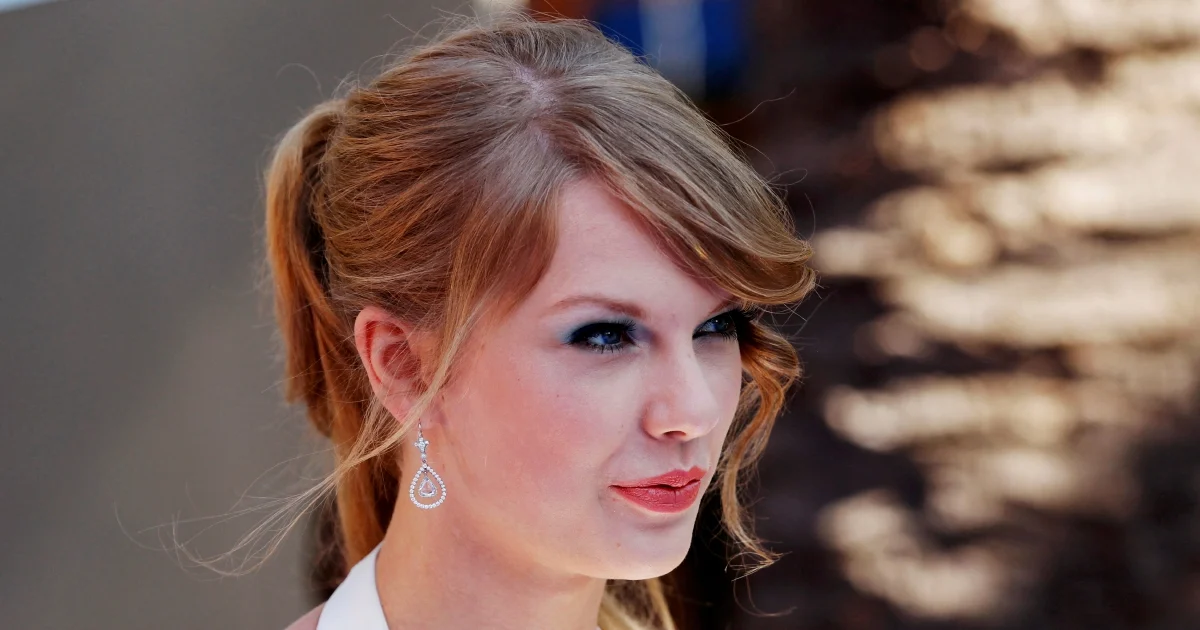
Taylor Swift has successfully defeated a plagiarism case brought by a Florida-based poet, with a federal judge dismissing the allegations on Monday. The legal action had alleged that the global music icon lifted multiple phrases from the poet's body of work and incorporated them into more than a dozen of her commercially successful songs. The court's decision brings closure to a claim that had sought to link the chart-topping artist to copyright infringement.
The case represents one of the periodic legal challenges that Swift has faced throughout her two-decade career spanning songwriting, recording, and performance. Celebrity musicians regularly encounter accusations of lyrical similarities from lesser-known artists and writers, though most such disputes either settle quietly or are dismissed by courts lacking sufficient legal merit. In this instance, the federal judiciary found the evidence insufficient to proceed with the plaintiff's claims against the newly married performer.
Swift, who recently married British actor Joe Alwyn, continues to dominate popular music across multiple continents and generational audiences. Her prolific output—comprising studio albums, re-recorded "Taylor's Version" releases, and collaborations—has made her one of the highest-grossing touring artists globally. Her commercial success inevitably attracts scrutiny and legal scrutiny from various parties, including those claiming their intellectual property inspired her work.
The dismissal carries particular significance for the music industry, where establishing clear boundaries between inspiration and imitation remains legally contentious. Judges must distinguish between legitimate songwriting influences—which are endemic to artistic creation—and actual plagiarism involving substantial copying of protected expression. The standard requires demonstrating both access to the original material and striking similarity between the works in question, a high bar that plaintiffs frequently fail to clear.
Florida, where the plaintiff originated, has become an unexpected hub for such copyright disputes, possibly reflecting the state's large population and concentration of creative professionals. However, federal copyright law applies uniformly nationwide, meaning jurisdiction over Swift's case ultimately rested with the federal system rather than state courts. The judge's reasoning likely emphasised the difficulty of proving that the pop superstar deliberately copied specific phrases when she and her co-writers drew upon common linguistic expressions available to any songwriter.
Swift's songwriting process typically involves collaborating with established producers and writers including Max Martin, Ryan Tedder, and Jack Antonoff—professionals with decades of experience crafting commercially viable material. These collaborative sessions, documented in liner notes and credits, provide transparency about her creative methodology. Prosecutors attempting to establish plagiarism would need to demonstrate that Swift or her immediate co-writers had access to the plaintiff's poems and deliberately incorporated them, rather than independently arriving at similar phrasing through conventional songwriting techniques.
The broader context involves how mainstream artists navigate the tension between acknowledging influences and protecting themselves legally. Social media has amplified claims and counterclaims about artistic originality, with fans and critics frequently comparing lyrics across different artists' catalogues. While such analysis provides entertainment value and sparks genuine discussion about songwriting craft, it rarely translates into successful legal claims because accidental similarity does not constitute actionable infringement under copyright doctrine.
For Malaysian and Southeast Asian audiences following Swift's career, this ruling reinforces how Western copyright enforcement operates within strict legal parameters. Unlike some jurisdictions where celebrity status might prejudice proceedings, American federal courts apply statutory protections impartially. The dismissal suggests the judge determined the poet's complaint lacked legal sufficiency—meaning even accepting all factual allegations as true, the law would not grant relief. This represents a fundamental rejection rather than a finding that the claims remained unproven.
Swift's legal victory also reflects her sophisticated legal team and resources that enable rapid, comprehensive responses to litigation. Major recording labels and star artists can afford specialists in entertainment law who anticipate and counter claims efficiently, advantages unavailable to independent writers or lesser-established musicians. This disparity occasionally attracts criticism regarding access to justice, though it also reflects the investment required to navigate complex intellectual property disputes professionally.
The case concludes without setting binding precedent beyond the immediate parties, since trial courts' dismissal orders generally lack precedential value. However, the reasoning may inform how similar cases proceed, particularly if parties appeal or if other courts reference the decision's analytical framework. Swift will likely view the dismissal as vindicating her songwriting integrity, though she has historically maintained relatively low profiles in copyright disputes compared with some contemporaries who face more frequent litigation.
Moving forward, Swift's continued musical output—including recent albums and upcoming projects—will inevitably generate additional legal scrutiny from various claimants. Her position atop global music markets ensures that her work receives intense analytical attention from casual listeners, professional critics, and those seeking litigation opportunities. The dismissal does not immunise her against future claims, but it does establish that at least one plaintiff's allegations failed to meet the legal threshold required for copyright infringement litigation to proceed to trial.

