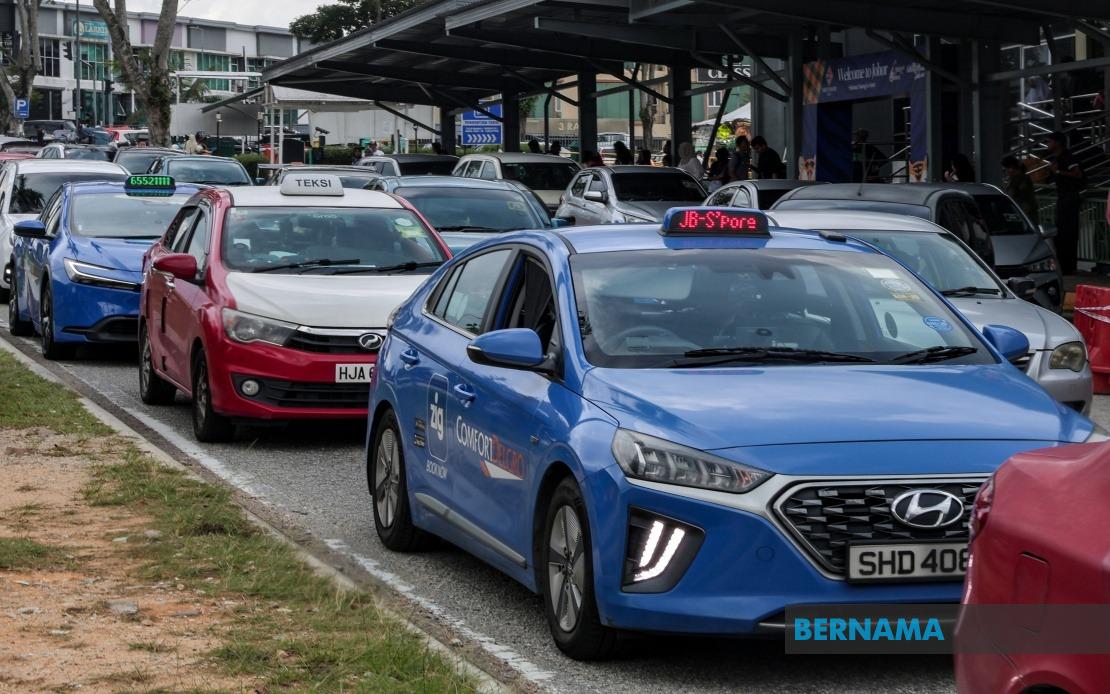
Malaysia's Land Public Transport Agency (APAD) has announced a significant adjustment to the National MADANI Taxi Renewal Programme (Teksi MADANI), permitting taxi drivers to license or replace their vehicles with models beyond the officially designated Proton S70. This flexibility represents a pragmatic accommodation for industry participants who face genuine obstacles in accessing the core programme benefits, signalling the government's recognition that a one-size-fits-all approach may not suit all operators in the competitive taxi sector.
The policy modification addresses two key challenges that have emerged during the programme's implementation. Drivers who already operate functioning vehicles found the mandatory transition financially impractical, whilst others encountered rejection from financial institutions unable or unwilling to approve hire-purchase financing arrangements for the Proton S70 packages offered under Teksi MADANI. By permitting alternative vehicles, APAD has created an exit valve for applicants caught between programme requirements and commercial banking realities, potentially broadening the initiative's reach across Malaysia's fragmented taxi industry.
It bears noting that this adjustment occurs despite the Transport Ministry's explicit policy statement issued on April 23, which characterised programme participation as voluntary but restricted replacement vehicles to the Proton S70 model. The apparent reversal reflects operational realities encountered since the programme's July 3 launch by Prime Minister Datuk Seri Anwar Ibrahim. Rather than representing policy weakness, this recalibration demonstrates governmental responsiveness to stakeholder feedback, though it may raise questions about the robustness of planning preceding the initiative's rollout.
The Teksi MADANI programme itself represents a structural transformation in Malaysia's taxi industry, fundamentally reshaping ownership dynamics that have prevailed for decades. Historically, taxi drivers operated under leasing arrangements where vehicle ownership remained with fleet operators or financial entities, creating a dependent relationship that limited drivers' autonomy and wealth accumulation. The new framework shifts ownership directly to participating drivers, enabling them to build equity in their assets whilst transitioning the sector toward a more contemporary operational model.
The selection of the Proton S70 sedan as the programme's official vehicle carries symbolic weight beyond mere transportation functionality. The model projects a modernised industry image, dispensing with the traditional rooftop identification signs that have characterised Malaysian taxis for generations in favour of sleeker aesthetics. The special registration series beginning with letters GET serves as an immediately recognisable identifier, creating visual differentiation that may enhance passenger confidence and market positioning. This branding strategy suggests governmental ambitions to elevate the taxi sector's status and competitiveness against ride-sharing platforms that have fundamentally altered urban transport expectations.
The financial architecture underpinning Teksi MADANI reflects substantial governmental commitment to sectoral transformation. The original Budget 2026 allocation of RM10 million supporting the Old Vehicle Replacement Matching Grant Programme has been supplemented by an additional RM10 million announced following overwhelming initial uptake. This expanded investment pool indicates confidence in the programme's trajectory and recognises the genuine financial strain facing taxi drivers transitioning from established operating models toward ownership frameworks requiring significant personal capital investment.
For Malaysian taxi drivers operating in regional markets, particularly those serving cross-border routes or operating in economically integrated zones, the expanded vehicle flexibility may prove particularly consequential. Drivers already operating vehicles suited to Malaysian road conditions and fuel specifications may reasonably question the necessity of replacement, viewing continued operation of existing assets as prudent financial stewardship. The APAD accommodation permits such rational economic decision-making whilst maintaining formal programme participation benefits for those pursuing alternative pathways.
Existing taxis not replaced under Teksi MADANI remain operationally legitimate until achieving specified vehicle age thresholds, providing transition periods that protect driver incomes during any gradual sector transformation. This measured approach avoids sudden displacement of established operators whilst creating natural incentive structures favouring programme participation once vehicles approach retirement age. The policy balance acknowledges that industry transformation rarely proceeds instantaneously across heterogeneous operator populations with varying asset positions and financial capabilities.
The programme's evolution also reflects broader Malaysian economic policy tensions between ambitious structural reform objectives and practical implementation constraints encountered in labour-intensive service sectors. Taxi driving represents livelihoods for tens of thousands of Malaysians with limited alternative employment prospects, constraining policymakers' ability to impose rigid participation requirements without considering vulnerable operator segments. The flexibility now extended through APAD's statement demonstrates sensitivity to these distributional consequences, though questions persist regarding whether expanded vehicle options fully resolve underlying financing and affordability barriers for lower-income drivers.
From a regional perspective, Malaysia's Teksi MADANI initiative occupies particular significance as a transportation sector experiment watched by neighbouring Southeast Asian economies grappling with similar taxi industry stagnation and ride-sharing competition. The programme's willingness to adjust implementation while maintaining reform ambitions offers instructive lessons regarding the necessity of policy flexibility when translating centralised directives into fragmented, decentralised market environments. How successfully APAD manages this expanded implementation framework may influence subsequent regional initiatives attempting comparable sector transformation.
The implications for passenger experience remain uncertain. Whilst Proton S70 vehicles may offer standardised comfort and safety specifications, the permission for alternative vehicles introduces potential heterogeneity that passengers may either welcome as diversity or criticise as inconsistency. Consumer expectations regarding taxi experience—particularly amongst international visitors and quality-conscious urban professionals—increasingly emphasise reliability, vehicle condition, and modern amenities. Whether alternative vehicles maintain standards comparable to Proton S70 specifications will substantially influence the programme's success in genuinely elevating sector competitiveness.

