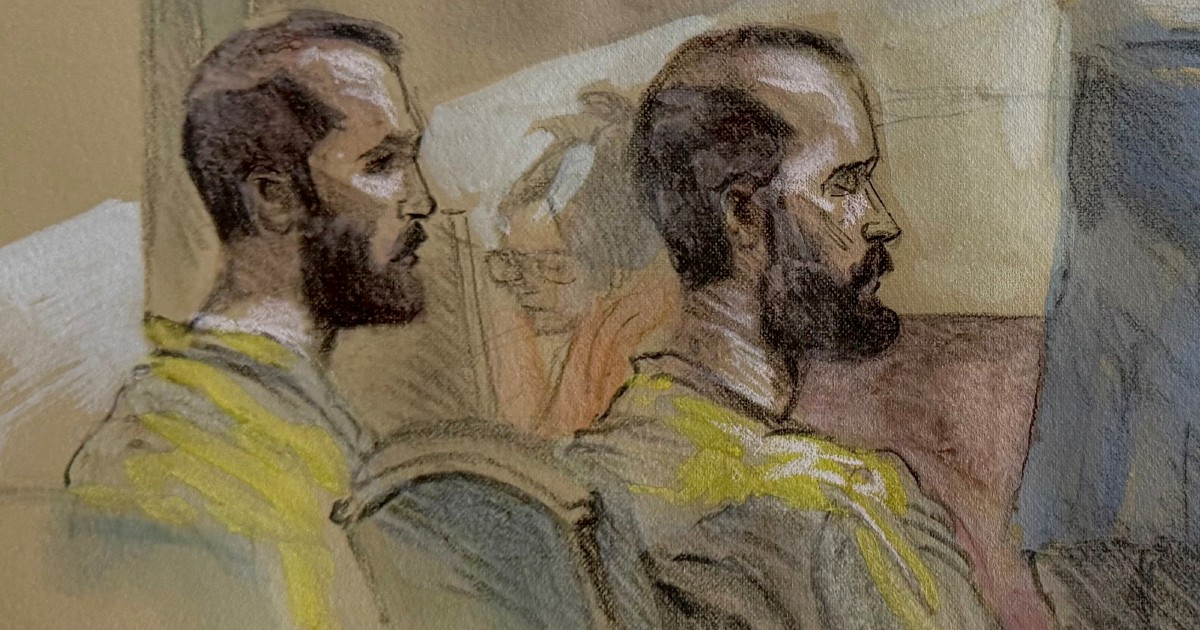
Andrew and Tristan Tate, once-prominent figures in online influencer circles, will continue their detention in a Miami federal facility as legal proceedings surrounding their potential extradition to Britain remain unresolved. During a proceeding held Thursday in Miami federal court, Magistrate Judge Lauren Louis chose not to immediately address the Tate brothers' application for release on bail, effectively keeping them in custody pending her forthcoming decision on the matter.
The case represents a significant moment in the intersection of social media celebrity, international criminal law, and extradition procedures. The Tate brothers, who accumulated substantial followings across various platforms before facing legal troubles, now find themselves caught in the US judicial system while British authorities pursue serious charges against them. The decision to withhold an immediate ruling on bail reflects the complexity and gravity of the case, suggesting the judge requires additional time to weigh the legal arguments and evidence presented.
Extradition proceedings between the United States and Britain typically involve careful examination of whether sufficient evidence exists to support the charges, whether the accused faces potential political persecution, and whether the requested country's legal system meets certain standards of fairness. The fact that Judge Louis declined to rush her decision indicates she is treating these considerations with appropriate deliberation. For the Tate brothers, this delay means continued incarceration in US federal facilities while the legal machinery grinds forward.
The case carries implications beyond the immediate circumstances of the two defendants. It underscores how social media personalities with large international followings operate within a complex web of jurisdictional challenges. When individuals accumulate influence and audiences across borders through digital platforms, they become subject to scrutiny and potential prosecution in multiple countries simultaneously. This global dimension of online influence is relatively novel in legal terms, requiring courts to navigate unfamiliar territory.
Britain's pursuit of extradition for rape charges signals that British authorities view the case as sufficiently serious to warrant international legal cooperation and the formal extradition process. The allegations themselves represent some of the most serious criminal charges in both the US and UK legal systems. The gravity of these accusations explains why bail considerations become especially contentious—judges must balance the presumption of innocence against the seriousness of the allegations and potential flight risk.
Federal magistrate judges occupy a specific position within the US judicial hierarchy, typically handling initial matters including bail determinations, minor offences, and extradition hearings. Judge Lauren Louis's decision to take additional time before ruling suggests she may be considering numerous factors: the strength of evidence presented by British authorities, the defendants' ties to various jurisdictions, their financial resources and ability to potentially flee, and relevant legal precedents governing extradition and bail in such circumstances.
The detention in Miami federal custody specifically, rather than local facilities, indicates the case is being handled at the federal level, likely because extradition matters fall under federal jurisdiction in the United States. This procedural placement elevates the case beyond typical local criminal matters and places it within the framework of international legal cooperation agreements between nations.
For Malaysian and Southeast Asian readers, this case illustrates how social media influencers operating from various regions but targeting global audiences can find themselves entangled in international legal complications. Influencers based in or with significant followings in Asia who engage in activities that could violate laws in multiple jurisdictions face similar risks. The case also demonstrates that even individuals with significant resources and public profiles cannot necessarily evade serious criminal allegations through jurisdictional arguments or bail disputes.
The Tate brothers' situation reflects broader questions about accountability in the digital age. Individuals who build substantial platforms and accumulate wealth through online activity may believe their status and resources provide insulation from legal consequences. However, the extradition process and detention in US custody demonstrate that international law enforcement agencies increasingly coordinate across borders to pursue serious criminal allegations, regardless of a defendant's social media prominence or financial position.
The pending judge's ruling will determine whether the brothers can secure release on bail conditions while extradition proceedings continue, or whether they will remain detained throughout the process. Either outcome will affect not only the brothers' immediate circumstances but potentially set precedent for how US courts handle similar cases involving social media figures and international extradition requests. The decision will also signal to British authorities the seriousness with which US courts view their extradition request and the strength of their case as presented to the American court system.
As the case progresses through the US judicial system, numerous legal stages remain before any final determination regarding extradition occurs. Magistrate Judge Louis's pending ruling represents merely one step in what could be an extended legal process, with potential appeals and further proceedings likely regardless of her initial decision. The brothers' detention in the interim reflects judicial caution in cases involving serious allegations and cross-border implications.

