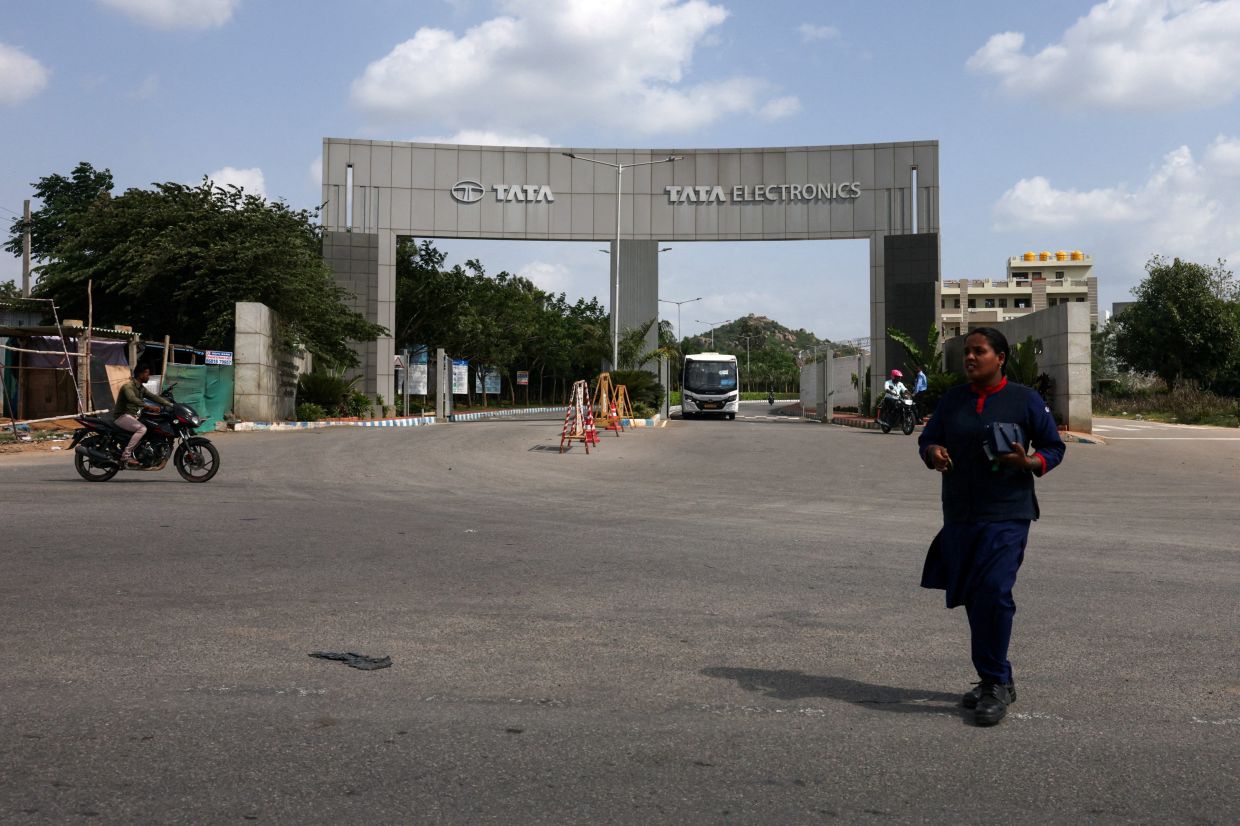
Tata Electronics has acknowledged a significant cybersecurity breach that exposed sensitive design and specification documents belonging to Apple and Tesla, according to the Indian conglomerate's statement on Monday, June 22. The incident came to light when researchers tracking ransomware activities discovered that a group calling itself World Leaks had posted more than 200,000 files on the dark web, claiming they originated from the Bengaluru-based electronics manufacturer. This represents one of the most serious security incidents to strike a major player in India's growing technology hardware sector.
In a carefully worded statement released to media outlets, Tata Electronics acknowledged detecting the cybersecurity incident "a few weeks ago" and said it had immediately deployed response protocols. The company maintained that operations across all its business units remained unaffected and that production had not been disrupted. However, the statement conspicuously avoided addressing specific details about the breach, the nature of stolen data, or claims that the company had received a ransom demand from the attackers. This silence itself reflects the sensitive nature of investigations still underway and the involvement of multiple government and corporate stakeholders.
The scale of the breach is staggering. Security researchers reviewing the posted files indicate that World Leaks has published approximately 630 gigabytes of data, encompassing everything from technical specifications and component designs to employee communications and personal documents. Among the archived materials are files explicitly marked with Apple and Tesla proprietary notices, including a 52-page document purporting to contain quality inspection standards for iPhone circuit board components. Other files reference "NV36 Chargeport Controller" components associated with Tesla's Model Y electric vehicle, alongside materials allegedly connected to Tesla's Project Highland, the company's internal codename for its redesigned Model 3 sedan.
Apple, which sources considerable volumes of iPhone production through Tata Electronics, confirmed it was actively investigating the incident and conducting a comprehensive analysis of the stolen materials. Company sources indicated that Tata had communicated details of a ransom demand to Apple, though neither Apple nor Tata has publicly disclosed the financial amount sought by the attackers. Tesla declined to comment on the situation, despite evidence suggesting that proprietary manufacturing and design information relating to its vehicles may have been compromised. The reluctance of both companies to make detailed public statements reflects standard crisis management protocols and potential ongoing negotiations with law enforcement.
This breach carries significant implications for India's broader strategy to reduce dependence on China for electronics manufacturing and establish itself as a global production alternative. Prime Minister Narendra Modi has positioned electronics manufacturing as a cornerstone of India's economic development, with Tata emerging as one of Apple's most important partners outside China. The company currently accounts for approximately one-third of Apple's iPhone production within India, with Foxconn supplying the remainder. The security incident threatens to undermine confidence among multinational technology companies considering India as a manufacturing destination, potentially complicating India's ambitions to capture greater market share in global electronics production.
Tata Electronics is not unfamiliar with significant operational disruptions. The company's British automotive subsidiary, Jaguar Land Rover, suffered a major cyberattack last year that resulted in a six-week production halt, demonstrating the vulnerability of the conglomerate's digital infrastructure to sophisticated adversaries. Combined with ongoing environmental concerns regarding alleged farmland contamination near Tata's iPhone assembly facility in Hosur, Tamil Nadu, the company faces mounting scrutiny regarding its operational standards and risk management practices. These accumulated pressures complicate Tata's efforts to expand its position as a trusted partner for premium technology manufacturers.
World Leaks has previously demonstrated its capability and willingness to execute large-scale data theft operations, having claimed responsibility for breaching Nike's systems in past incidents. The group's decision to target Tata Electronics suggests a calculated assessment that the company possesses valuable proprietary information from major clients. The ransomware group's operational infrastructure, accessible only through dark web networks beyond the reach of conventional search engines, has remained functional for at least two weeks since the data became available, according to security researchers who independently verified the files' presence online.
Indian cybersecurity researchers who reviewed portions of the compromised data found extensive collections of internal communications, system logs spanning multiple years, and personal documents including employee passport copies. This breadth of access indicates either significant vulnerabilities in Tata's network security architecture or an extended period during which attackers operated undetected within company systems. A search function on World Leaks' database returned 181 files and folders associated with Apple-related materials and additional files referencing Tesla operations, including manufacturing specifications and assembly documentation dated May 2025. The specificity and technical depth of these materials suggest attackers maintained sustained access to sensitive operational systems rather than conducting a brief, opportunistic breach.
Tata informed employees at its iPhone manufacturing operations in the southern Indian state of Tamil Nadu of the data breach during the preceding week, according to industry sources, suggesting internal risk assessment teams had determined that workforce communication was necessary. This notification likely aims to prepare staff for potential media inquiries and ensure that employees understand information security protocols for any subsequent investigation phases. The incident has prompted questions about information security governance at facilities handling trade secrets for global technology companies, particularly given the high concentration of sensitive intellectual property in electronics manufacturing environments.
The Indian Computer Emergency Response Team, the government body operating under India's Ministry of Information Technology responsible for managing cybersecurity incidents, did not immediately respond to inquiries regarding the breach. This delayed governmental response highlights potential gaps in India's institutional capacity to address large-scale cyber incidents affecting critical infrastructure and major foreign investors. Effective coordination between corporate security teams, law enforcement agencies, and government cybersecurity authorities is essential for both investigating the breach and implementing preventive measures across India's expanding electronics manufacturing sector.
The incident underscores broader vulnerabilities facing global supply chains as they increasingly concentrate in specific geographical regions and among limited manufacturers. The theft of trade secrets relating to upcoming product designs and manufacturing processes represents not merely a corporate embarrassment but a potential competitive disadvantage for affected companies. For India's manufacturing sector, the breach demonstrates that economic advantages derived from lower costs and regulatory flexibility must be balanced against investment in world-class cybersecurity infrastructure and governance frameworks capable of protecting multinational corporations' most sensitive intellectual property.