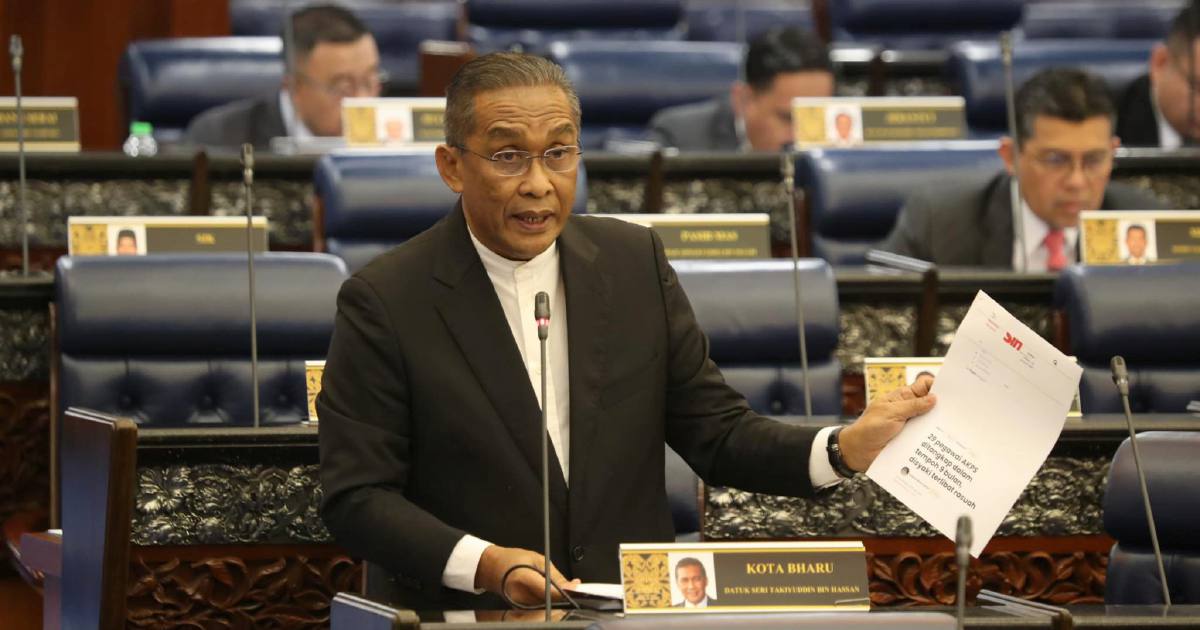
The timing of a forthcoming parliamentary debate on the Tabung Haji Royal Commission of Inquiry has become the subject of procedural dispute, with Opposition chief whip Datuk Seri Takiyuddin Hassan arguing that the special sitting of the Dewan Rakyat scheduled to examine the probe's findings should be deferred. Takiyuddin's rationale centres on the absence of Prime Minister Datuk Seri Anwar Ibrahim from the chamber, suggesting that the government's chief executive should be present for what promises to be a significant discussion regarding the troubled pilgrimage fund.
The Tabung Haji inquiry represents a pivotal moment for legislative scrutiny in Malaysia, given the accumulated concerns surrounding the fund's governance and financial performance over recent years. The Royal Commission's investigation was tasked with examining deep structural and operational issues that have plagued the institution responsible for facilitating and managing Malaysia's hajj pilgrims. The report's findings carry substantial implications not only for the approximately 10 million Malaysians who contribute to or have accounts with the fund, but also for broader questions about institutional oversight and accountability in Malaysia's financial landscape.
Takiyuddin's intervention reflects broader parliamentary dynamics and the importance of executive presence during policy-defining debates. The Opposition chief whip's position suggests a recognition that substantive legislative examination of the RCI findings would benefit from direct government representation at the highest level. This procedural consideration underscores how Malaysian parliamentary convention places weight on symbolic and practical leadership presence during critical national discussions, particularly those involving public institutions and citizen trust.
The Tabung Haji fund itself has faced mounting scrutiny over its investment decisions, governance structures, and management of pilgrim contributions. Over the past decade, the institution has encountered significant financial headwinds, with investment performance, controversial asset acquisitions, and leadership transitions generating public concern and media attention. The Royal Commission of Inquiry was established specifically to investigate these systemic challenges and provide recommendations for reform and institutional strengthening.
For Malaysian pilgrims and their families, the RCI findings hold direct personal significance. Tabung Haji accounts represent savings accumulated over years, often by working Malaysians setting aside modest sums specifically dedicated to fulfilling the Islamic obligation of the hajj pilgrimage. When such institutions face governance questions, the psychological and financial security of millions of ordinary citizens becomes a central consideration in any parliamentary examination. The special sitting, whenever it proceeds, will represent an opportunity for legislators to ensure the public understands what went wrong and what corrective measures are being implemented.
Anwar Ibrahim's absence from the chamber raises practical questions about the government's readiness to engage with the RCI report's recommendations. Whether the Prime Minister was scheduled to be abroad during this sitting or if his presence was unavailable for other reasons, the timing does intersect with questions about prioritization. Takiyuddin's suggestion that the debate should occur only with Anwar present implicitly argues that the gravity of the matter warrants the highest-level executive engagement, rather than relying on ministerial proxies to articulate government responses.
The postponement request also reflects parliamentary traditions that have evolved in Malaysia's legislative system. Conventions around executive presence, particularly regarding sensitive matters affecting public institutions and citizen interests, carry weight in contemporary Dewan Rakyat operations. While governments maintain the prerogative to decide parliamentary scheduling, Opposition interventions on such matters often succeed when they tap into broader legitimate concerns about proper procedure and adequate representation.
From a Southeast Asian perspective, Malaysia's approach to scrutinizing public institutions through parliamentary mechanisms represents an important dimension of governance transparency. The hajj fund's significance extends beyond individual Malaysians, as Tabung Haji has sometimes featured in international discussions about Islamic finance and institutional management within Muslim-majority democracies. How Malaysia's parliament examines the RCI findings could offer lessons or precedents for neighbouring countries considering similar institutional reviews.
The substantive questions the RCI report raises will likely dominate the eventual debate whenever it occurs. Investment decisions that may have exposed the fund to excessive risk, governance structures that potentially lacked adequate oversight mechanisms, and leadership accountability represent areas where legislators will seek clarification and assurance. The report's recommendations will probably propose structural reforms aimed at strengthening the institution's resilience and restoring confidence among its millions of contributors.
Takiyuddin's intervention also highlights how Malaysia's parliamentary dynamics involve regular negotiations between government and Opposition over scheduling, procedure, and process. Such negotiations, while sometimes appearing arcane, actually serve important functions in ensuring that legislative business receives appropriate attention and that debates occur under conditions facilitating genuine scrutiny rather than procedural rush. The Opposition chief whip's request, whether ultimately successful or not, adds to an important conversation about how Parliament conducts oversight of significant national institutions.
Moving forward, the eventual parliamentary sitting on the Tabung Haji RCI report will likely attract considerable public attention. Media coverage, legislative exchanges, and government responses will collectively shape public understanding of what the inquiry discovered and what institutional remedies are proposed. The delay, if it materializes, would at least ensure that the Prime Minister can participate directly in what promises to be a defining moment for the fund's future direction and public confidence in its management.

