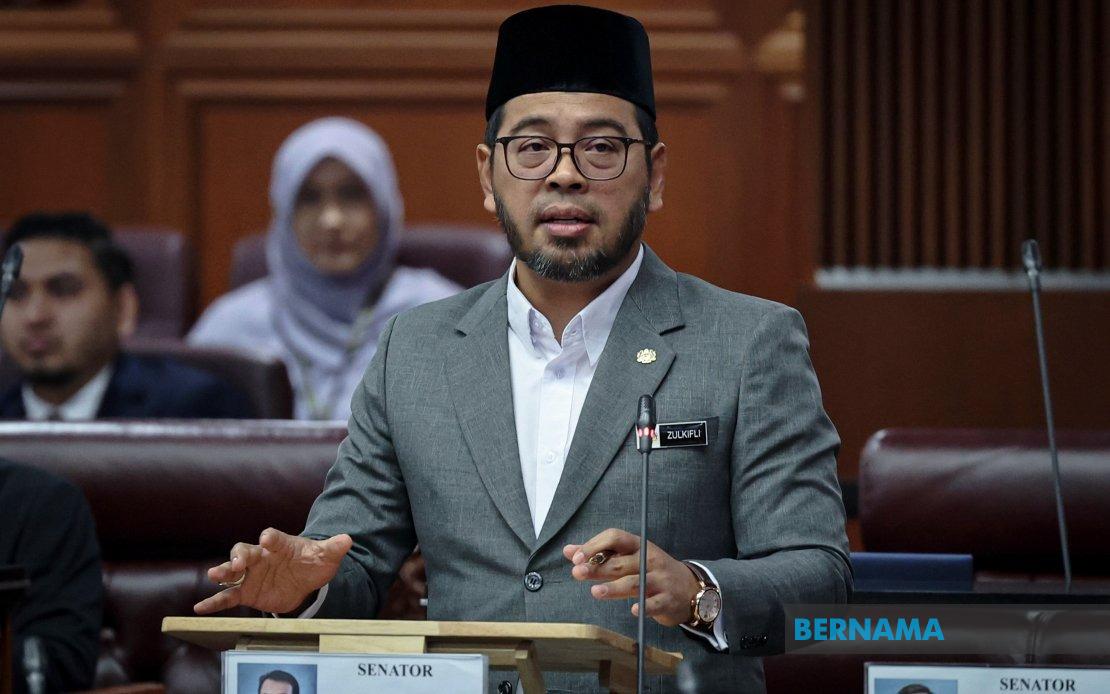
Depositors of Tabung Haji (TH), Malaysia's pilgrimage savings fund, can be assured that their zakat obligations have been properly discharged in accordance with Islamic law, according to Minister in the Prime Minister's Department (Religious Affairs) Dr Zulkifli Hasan. Speaking during a special parliamentary sitting on August 11, Zulkifli addressed concerns about the institution's zakat practices, which formed part of the findings in a lengthy Royal Commission of Inquiry report made public just weeks earlier. The minister's statement represents an important clarification for the millions of Malaysian Muslims who have accumulated savings through TH for their hajj pilgrimage, a journey that carries both spiritual and financial significance in Islamic practice.
The foundation for Zulkifli's assurance rests on the validation provided by TH's Syariah Advisory Committee, which determined during a September 2020 meeting that all zakat payments made on behalf of depositors prior to the introduction of the wakalah concept in 2019 were legally and spiritually sound. This ruling carries particular weight given that TH's Syariah committee comprises recognised experts in Islamic jurisprudence and finance, providing institutional credibility to the assessment. The endorsement operates within a broader framework of compliance established through decades of Islamic legal precedent surrounding TH's operations, dating back to foundational decisions made by Malaysia's highest Islamic authority.
Crucially, Zulkifli referenced a landmark decision by the National Fatwa Committee for Islamic Religious Affairs Malaysia, issued on May 3, 1979, which established TH's unique status within Islamic financial law. The fatwa determined that while TH itself is not subject to zakat as an individual entity, the institution bears a direct obligation to calculate and remit zakat on behalf of its depositors whose funds are pooled together. This distinction reflects the sophisticated understanding within Malaysian Islamic jurisprudence of how collective savings vehicles operate under Syariah principles. TH has consistently adhered to this framework throughout its operational history, ensuring that the zakat obligation—one of Islam's five pillars—is discharged properly for millions of account holders.
The minister specifically addressed the zakat calculation methodology employed during the 2016 to 2019 period, when TH operated under the Wadiah Yad Damanah contract. During those years, the institution remitted what is known as business zakat, calculated on a collective basis from the pooled deposits that TH had actively traded in financial markets. This approach acknowledges the reality that depositors' funds, while held in trust, generate returns through investment activities, thereby creating a zakat liability on the generated profits. The transparency with which TH's management presented this methodology to its Syariah oversight body demonstrates the evolving sophistication of Islamic finance practices in Malaysia's institutional context.
Recognising the significance of the Royal Commission's recommendations regarding TH's zakat governance, Zulkifli confirmed that the matter had been escalated to the National Council for Islamic Religious Affairs Muzakarah Committee for further examination. This deliberative body, comprising senior Islamic scholars and officials from states and federal authorities, reviewed the zakat practices in June 2024 and subsequently endorsed the findings. The matter was then formally presented to the Conference of Rulers' 267th Meeting in October 2024, ensuring that Malaysia's constitutional monarchs, who hold important advisory roles in Islamic affairs, were apprised of the situation. This multi-layered consultative process underscores the seriousness with which Malaysian religious and state authorities approached the clarification.
For the average TH depositor—many of whom are middle-class and working-class Malaysians saving systematically over years or decades for their hajj obligation—the minister's reassurance addresses a source of potential anxiety. Concerns about whether personal zakat obligations have been properly fulfilled can weigh heavily on the conscience of devout Muslims, making institutional transparency in this area essential for public confidence. Zulkifli's statement that all zakat operations are continuously guided by approved Zakat Guidelines and monitored by qualified experts aims to restore and maintain that confidence among TH's diverse membership base.
The minister also turned attention to the operational reforms recommended by the Royal Commission, particularly regarding hajj management policies. TH is currently in advanced stages of refining its hajj eligibility and waiting period policies, drawing on the Islamic concept of istito'ah—the principle that pilgrimage should only be undertaken by those with genuine financial and physical capacity. The updated framework is expected to introduce clearer, more systematic planning for hajj aspirants, emphasising early preparation and realistic assessment of readiness. These improvements reflect international best practices in managing large-scale pilgrimage operations while remaining grounded in Islamic principles.
The Royal Commission of Inquiry itself, which was formally established in 2021 with members appointed in January 2022, had examined TH's management and operations across the 2014 to 2020 period. The resulting 211-page report, released publicly on July 29, 2024, identified various governance weaknesses and presented 25 specific recommendations for institutional improvement. By the time of the report's public release, TH management had already implemented approximately 75 percent of these recommendations, indicating a proactive approach to institutional reform. This substantial implementation rate suggests that TH's leadership has taken the inquiry's findings seriously and is committed to addressing identified deficiencies.
The inquiry's establishment itself represented a significant moment in TH's institutional history, reflecting broader public concern about the management of what is effectively a national Islamic asset held in trust for millions of Malaysians. The subsequent public release of the report fulfilled an important accountability function, allowing depositors, religious scholars, and the general public to assess the institution's track record and the measures being undertaken for improvement. The government's willingness to commission, conduct, and publicly release such a comprehensive examination signals a commitment to institutional transparency in the Islamic finance sector.
For regional observers, TH's experience offers instructive lessons about the governance challenges facing large-scale Islamic financial institutions across Southeast Asia. Malaysia's handling of the inquiry and its subsequent commitment to implementing recommendations may provide a model for how other nations approach institutional oversight in the Islamic finance space. The integration of multiple layers of Syariah review—from institutional committees to national fatwas to the Conference of Rulers—demonstrates the complex governance architecture required when managing institutions that intersect religious obligation, personal finance, and public policy.
The broader context of TH's challenges and subsequent reforms reflects global shifts in Islamic finance governance. As Islamic financial institutions have grown in sophistication and scale, expectations for transparency, professional management, and compliance with both Syariah principles and modern regulatory standards have intensified. TH's experience navigating these expectations, while serving a constituency of millions of ordinary Malaysians, illustrates the delicate balance required between maintaining Islamic integrity and meeting contemporary governance norms.
Moving forward, the completion of TH's policy refinements and full implementation of the Royal Commission's recommendations will be closely watched by stakeholders across Malaysia's Islamic finance sector. The success of these reforms will likely influence how other institutions approach governance and transparency in Islamic finance. For TH depositors specifically, the assurances provided by the Religious Affairs Minister, backed by multiple levels of Islamic legal authority, should provide confidence that their savings are being managed according to both Islamic principles and professional standards. The institution's path forward, shaped by the inquiry's findings and the government's commitment to implementation, suggests a strengthened TH better equipped to serve Malaysia's Muslim pilgrims in the years ahead.

