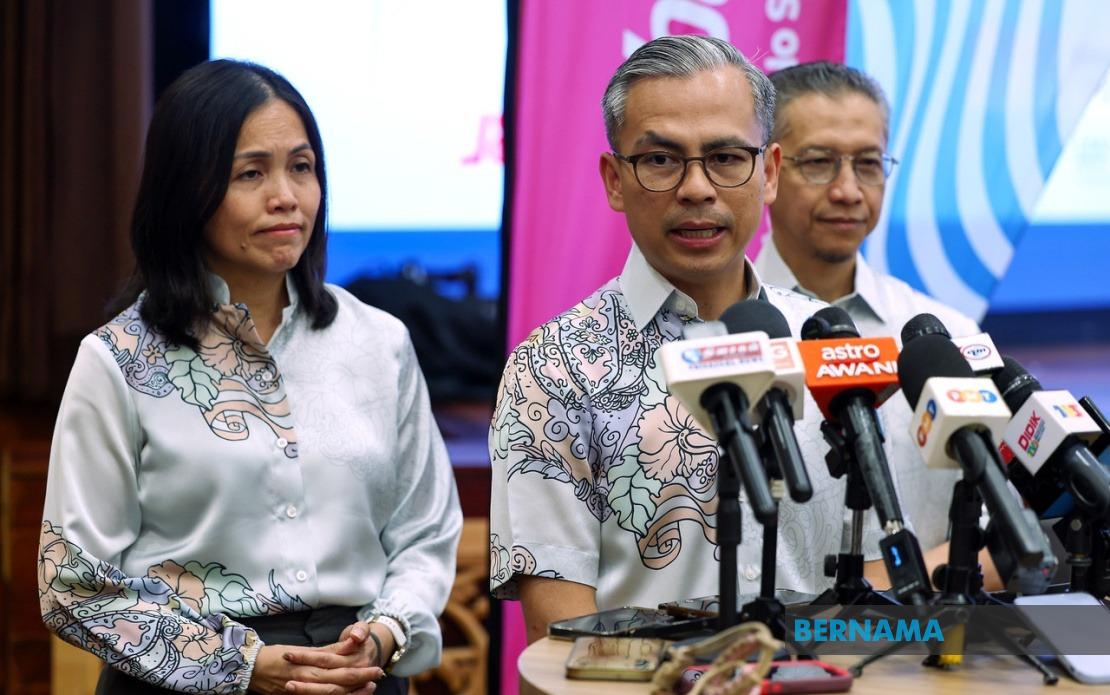
Communications Minister Datuk Seri Fahmi Fadzil announced on Tuesday that the Royal Commission of Inquiry report on Lembaga Tabung Haji will be distributed to relevant enforcement agencies for thorough investigation based on all findings documented in the report. This marks the formal transition from the inquiry phase to active investigation, with multiple institutions tasked to examine potential irregularities at the hajj fund manager.
The minister specified that the Royal Malaysia Police, Malaysian Anti-Corruption Commission, Bank Negara Malaysia, the Inland Revenue Board, and agencies responsible for enforcing the Anti-Money Laundering, Anti-Terrorism Financing and Proceeds of Unlawful Activities Act would all receive the report. This multi-agency approach reflects the complexity and breadth of concerns raised during the inquiry, which examined Tabung Haji's operations across a seven-year period marked by significant management and governance challenges.
Fahmi's statement, made during an appearance at the 2026 National Day and Malaysia Day sponsorship handover ceremony in Putrajaya, represents the government's commitment to translating the RCI's recommendations into concrete enforcement action. Prime Minister Datuk Seri Anwar Ibrahim had previously indicated that the report would trigger investigations across these institutions, and the Communications Minister's announcement formalises that commitment. The decision to involve multiple agencies simultaneously suggests authorities are preparing for a coordinated, multi-dimensional examination of the findings.
The RCI report, released publicly on 29 July, detailed numerous operational and management shortcomings within Tabung Haji during the 2014-2020 period. The inquiry produced 25 recommendations aimed at strengthening the institution's governance frameworks and operational procedures. By late July, Tabung Haji had already implemented approximately 75 per cent of these recommendations, indicating the fund manager has begun remedial work even before the investigation phase commenced.
During a special parliamentary sitting convened to discuss the RCI findings, Finance Minister II Datuk Seri Amir Hamzah Azizan and Minister in the Prime Minister's Department (Religious Affairs) Dr Zulkifli Hasan provided additional information beyond the formal report. Fahmi emphasised that investigators would consider this supplementary material alongside the core findings when conducting their probes, ensuring no relevant detail escapes scrutiny.
The announcement immediately reignited calls from both Barisan Nasional and Pakatan Harapan lawmakers for the government to establish a subsequent RCI covering the 2021-2025 period. Fahmi acknowledged the proposal but clarified that such a decision transcends Cabinet authority alone. Because an RCI requires formal royal consent from the Yang di-Pertuan Agong, any decision to establish a new inquiry would necessitate both Cabinet approval and the Ruler's agreement. This constitutional requirement potentially complicates efforts to expand the investigation scope, though the minister did not dismiss the possibility entirely.
The parliamentary debate on the RCI report exposed significant political fractures, particularly regarding opposition participation. While Parti Pribumi Bersatu Malaysia MPs attended the special sitting, other Perikatan Nasional opposition parties notably abstained. Fahmi highlighted the political irony of this absence, noting that PAS members and the current Leader of the Opposition, Datuk Seri Hamzah Zainudin, held ministerial positions when the RCI was established in 2021. Despite their involvement in initiating the inquiry, they declined to participate in the subsequent parliamentary debate, a choice Fahmi characterised as a missed opportunity for accountability engagement.
Thirty-nine MPs ultimately participated in debating the RCI findings following Dr Zulkifli's ministerial briefing. However, the proceedings were marred by a partial boycott and walkout initiated by opposition MPs who objected to Speaker Tan Sri Johari Abdul's decision to proceed with the debate in the Prime Minister's absence. This procedural dispute underscored existing tensions between the government and opposition regarding parliamentary protocol and the conduct of significant national inquiries.
The referral of the Tabung Haji RCI report to enforcement agencies represents a critical juncture in addressing governance failures that have affected millions of Malaysian Muslim pilgrims. The fund, which facilitates hajj pilgrimages for Malaysians, holds deep institutional and religious significance within the Malaysian Muslim community. Any findings related to mismanagement or financial irregularities carry implications extending beyond corporate governance into public trust and religious institutions.
For Malaysian investors and pilgrim account holders, the multi-agency investigation signals that authorities are treating the RCI findings with appropriate seriousness. The involvement of the Anti-Corruption Commission and police indicates potential criminal dimensions are being examined, while Bank Negara Malaysia's participation suggests regulatory compliance issues may also be under review. The Inland Revenue Board's involvement points toward potential tax-related irregularities identified during the inquiry period.
Regionally, Malaysia's handling of the Tabung Haji matter may influence how other Southeast Asian nations manage similar religious and financial institutions. The establishment of the RCI itself represented a significant commitment to institutional accountability within a sensitive context where religious institutions often enjoy considerable autonomy. The subsequent investigation phase will demonstrate whether such inquiries translate into substantive enforcement action or remain largely symbolic exercises.
The coming months will prove critical as multiple agencies coordinate their investigations and determine whether the RCI's findings warrant criminal charges, administrative sanctions, or civil recovery actions. The outcomes may reshape governance frameworks not only within Tabung Haji but across other Malaysian religious institutions managing substantial public funds. Whether the investigations proceed swiftly or face bureaucratic delays will ultimately determine whether this RCI process delivers tangible accountability to the millions of Malaysian Muslims whose retirement savings are held within the fund.

