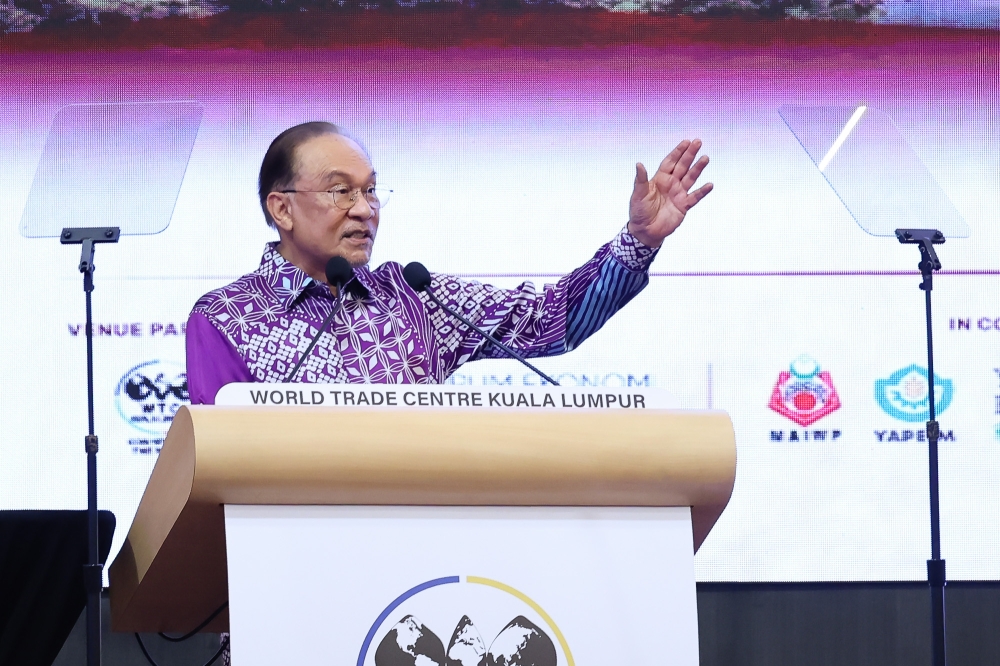
Prime Minister Datuk Seri Anwar Ibrahim has signalled that Tabung Haji, Malaysia's pilgrimage fund manager, has regained institutional strength following a series of remedial measures implemented over recent months. Speaking in Kuala Lumpur, Anwar indicated that the government would soon unveil findings from a Royal Commission of Inquiry into the fund's operations, marking a significant step toward restoring public confidence in the organisation.
The timing of Anwar's announcement reflects ongoing efforts to address systemic issues that had plagued Tabung Haji before the change of administration. The fund had faced considerable scrutiny regarding investment decisions, governance structures, and the handling of millions in savings belonging to prospective pilgrims. Previous governments had elected to defer substantive action on these concerns, allowing problems to accumulate over several years.
Tabung Haji, formally the Pilgrimage Fund Board, manages savings for Malaysian Muslims preparing for the hajj pilgrimage to Mecca. The fund operates as both a financial institution and a sacred trust, requiring careful stewardship given its religious significance and the economic importance of the hajj to participants. The fund's struggles in recent years had raised serious questions about fiduciary responsibility and the adequacy of regulatory oversight.
The announcement of forthcoming RCI findings carries substantial weight for Malaysia's Muslim majority, who constitute the primary beneficiaries of the scheme. Many Malaysians have accumulated substantial balances within Tabung Haji accounts, viewing the fund as a secure vehicle for savings alongside a pathway to fulfilling one of Islam's five pillars. Any evidence of mismanagement directly affects millions of individual savers and their families.
Anwar's emphasis on institutional strengthening suggests the government has undertaken comprehensive diagnostic work on Tabung Haji's internal systems. Reform measures likely encompass governance mechanisms, investment oversight procedures, transparency reporting, and compliance frameworks. The fact that the Prime Minister is publicly highlighting these improvements indicates confidence that corrective action has taken effect and will withstand scrutiny.
The RCI report itself will provide detailed findings on historical problems, organisational failures, and specific instances of poor decision-making. Such inquiries typically examine accountability questions at senior management and board levels, evaluate whether proper procedures were followed, and identify systemic weaknesses that enabled difficulties to emerge. The report's recommendations will likely shape policy direction for Tabung Haji operations going forward.
For Southeast Asian readers and Malaysian diaspora communities, the health of Tabung Haji matters beyond domestic borders. Significant numbers of Malaysian pilgrims save through the fund and journey to Mecca annually. International confidence in Malaysian financial institutions also bears on the country's broader economic reputation and standing within regional and global markets. Demonstrating effective governance at major public institutions sends positive signals to investors and partners.
The previous administration's deference on this issue appears to have reflected either political reluctance to confront embedded problems or insufficient capacity to implement solutions. The decision to establish a Royal Commission and publish its findings represents a departure toward greater accountability and transparency. This approach aligns with international best practices for handling institutional malfeasance, where independent inquiries serve to document problems and establish factual records.
Anwar's public commitment to releasing the RCI report also suggests the government expects findings to substantiate concerns about past mismanagement while validating the reforms already underway. Publishing critical findings would typically damage an institution's reputation in the short term but ultimately serve long-term interests by clearing away lingering doubts and establishing a credible reset.
The timing of the announcement, coming some months into the current administration's tenure, indicates that investigative and remedial work requires patient execution. Rushing to judgement or implementing superficial fixes would neither satisfy legitimate public concerns nor genuinely strengthen institutional capacity. The deliberate pace suggests thoroughness in both inquiry and reform design.
Looking ahead, the RCI report's release will represent a watershed moment for Tabung Haji. Public reaction will likely depend on whether findings confirm widespread suspicions about governance failures and whether proposed remedies appear adequate to prevent recurrence. The government's willingness to allow full publication of critical findings, without editorial restraint, will itself signal commitment to genuine reform rather than damage control.
For Malaysian Muslims navigating personal financial planning alongside religious obligations, restored confidence in Tabung Haji opens pathways to both savings accumulation and spiritual fulfilment without anxiety about institutional vulnerability. The hajj pilgrimage remains central to Islamic practice, and Malaysian participants deserve assurance that their dedicated savings receive prudent stewardship. Anwar's statements suggest that assurance is being rebuilt through systematic institutional transformation rather than mere rhetorical reassurance.

