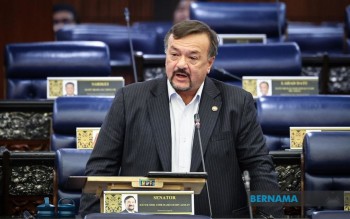
Malaysia's pilgrimage fund, Tabung Haji, accumulated losses of nearly RM13 billion through a string of 14 defective investments, Finance Minister II Datuk Seri Amir Hamzah Azizan revealed during parliamentary deliberations on the Royal Commission of Inquiry report into the fund's operations. The scale of the losses underscores mounting concerns about governance failures at one of the country's most significant religious institutions, which manages savings for hundreds of thousands of Malaysian Muslim pilgrims.
The financial devastation extends far beyond TH itself. The government has borne RM10.2 billion of the total loss burden through a rescue package administered via Urusharta Jamaah Sdn Bhd in 2018, effectively transferring the cost to taxpayers. Meanwhile, TH shareholders and depositors have absorbed an additional RM2.6 billion in impairment write-downs covering the period from 2018 onwards for investments that remain on the fund's books. This dual-layer exposure reveals how deeply TH's missteps have reverberated through both public finances and ordinary Malaysians' retirement and pilgrimage savings.
What makes the situation particularly alarming is the depth of the catastrophe within the broader investment portfolio. Seven of the fourteen problem investments—precisely half—resulted in total loss of the entire capital invested, not mere diminution in value. This statistic signals not simple market fluctuation or timing mismatch, but fundamental breakdown in investment due diligence, risk assessment, and asset monitoring. The prevalence of complete wipeouts rather than partial losses suggests systemic weaknesses in how TH's senior management and board evaluated counterparty creditworthiness and transaction structures before committing pilgrim funds.
The most egregious failure involved TH's commitment to Al-Rawda Real Estates Development & Project Management Co Ltd, a Saudi Arabia-based property firm that emerged as the single largest source of loss across the entire portfolio. Between 2015 and 2017, TH channelled approximately RM1.5 billion—paid as 1.4 billion Saudi riyals—to an intermediary, ostensibly to secure lease agreements for four hotels situated in Makkah and Madinah. These properties were strategically valuable because they offered accommodation capacity for Malaysian pilgrims visiting Islam's holiest cities, seemingly linking the investment to TH's core mission of facilitating hajj operations.
However, the transaction's architecture proved dangerously unsound. TH entered into arrangements wherein Al-Rawda was obligated to operate the four hotels and remit rental payments of 2.49 billion Saudi riyals back to TH over the lease term. Instead, the Saudi operator defaulted on its payment obligations beginning in the first quarter of 2019, merely four years into what was clearly envisaged as a longer-term income-generating arrangement. The structural flaw lay in TH's reliance on personal promissory notes from Al-Rawda principals rather than securing collateral or comprehensive guarantees. When default occurred, TH discovered it held essentially unsecured claims against a company unwilling or unable to honour them.
By 2024, TH finally acknowledged the irretrievable nature of the Al-Rawda commitment by recognising a full impairment loss of RM1 billion, effectively admitting that the RM1.5 billion outlay would never be recovered. This writedown arrived five years after default commenced, suggesting considerable lag in management's willingness to confront reality—a delay that potentially obscured the fund's true financial condition from depositors and stakeholders during the intervening period. The pattern mirrors a recurring problem in TH's institutional culture: reluctance to quickly acknowledge investment failures and adjust accountability structures.
The broader landscape of TH's investment failures extends across diverse sectors and geographies, reflecting neither a single bad sector call nor isolated geographic concentration. That fourteen separate investments could all deteriorate to the point of requiring major provision or full loss recognition indicates that problems permeate TH's entire investment operations rather than representing outlier cases. The prevalence of complete losses amplifies this concern—it suggests TH consistently failed to demand adequate safeguards, enforce contractual terms, or exit deteriorating positions before capital was wholly consumed.
For Malaysian pilgrims who have entrusted their savings to TH, these revelations carry profound implications. The fund's fiduciary obligations to protect their deposits have been manifestly breached, with losses now quantified and documented through official RCI findings. Depositors face the uncomfortable reality that a significant portion of their accumulated hajj savings—in some cases decades of contributions—have been consumed by poorly conceived overseas ventures rather than preserved for their spiritual journey. The government's RM10.2 billion bailout softened the blow to depositors but did not restore lost savings; it merely prevented complete institutional collapse.
The regional dimension also warrants attention. Saudi Arabia-based investments like Al-Rawda featured prominently in TH's loss roster, reflecting perhaps overconfidence in property ventures within the Islamic world and insufficient appreciation of exchange rate, legal, and enforcement risks in foreign jurisdictions. Malaysian investors and fund managers often gravitate toward ventures with religious or cultural resonance, sometimes allowing such connections to substitute for rigorous commercial analysis. TH's experience provides cautionary evidence that geographical or sectarian proximity to investment targets does not ensure operational soundness or financial discipline.
The RCI report's tabling and subsequent parliamentary debate mark a critical juncture for TH's institutional reform. Beyond identifying specific failures in Al-Rawda and other investments, policymakers must grapple with the systemic governance questions these losses illuminate: how did TH's board and management repeatedly approve ventures without adequate due diligence; why were warning signs ignored; who bears accountability for decisions spanning multiple years and administrations; and what structural changes will prevent recurrence. The revelation of RM13 billion in losses demands not merely acknowledgment but comprehensive remediation of TH's decision-making apparatus, investment oversight, and risk governance frameworks to restore confidence among the millions of Malaysian Muslims whose pilgrimage aspirations depend on this institution's prudential management.

