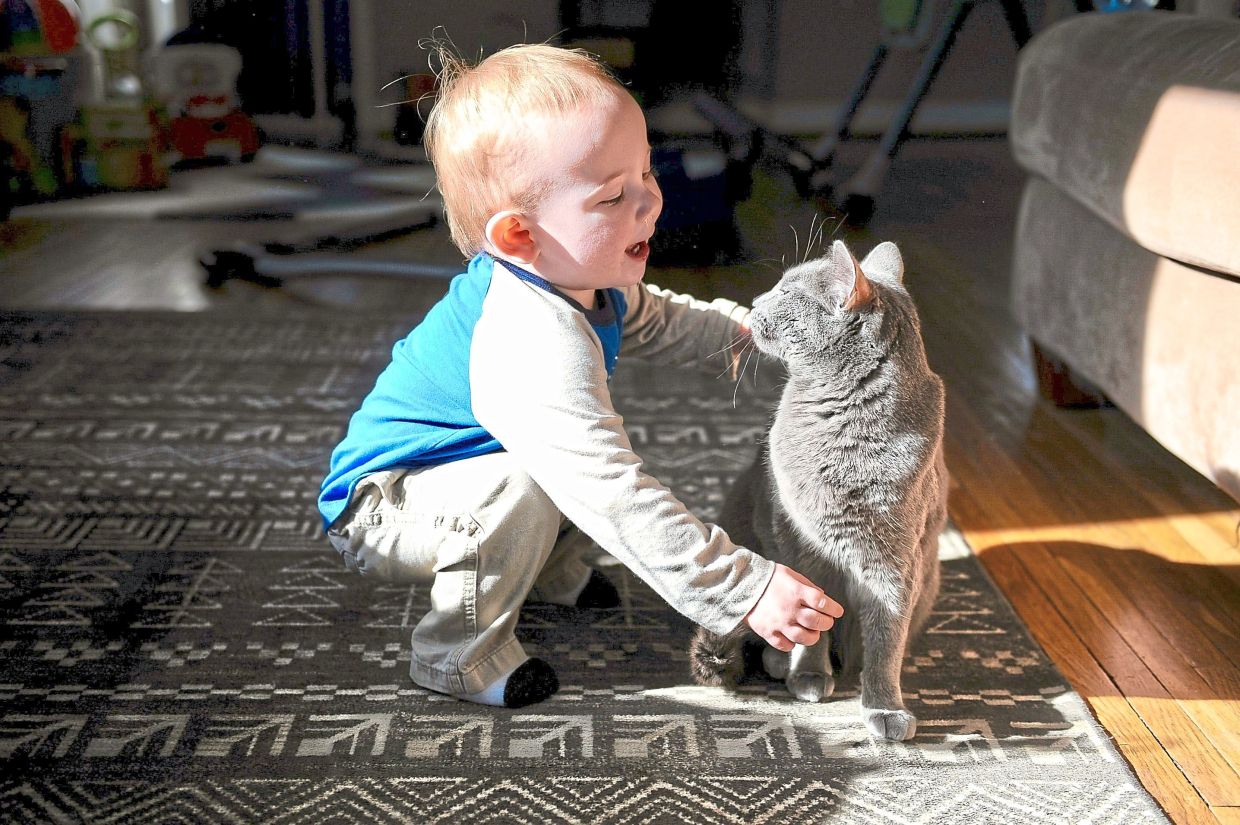
A major study involving nearly 30,000 Swedish children has upended conventional wisdom about household cats and childhood asthma, finding that living with felines does not worsen the respiratory condition that affects millions of young people globally. The research, which tracked children over two years until 2024, provides the most substantial epidemiological evidence to date that cat ownership need not be abandoned by families managing childhood asthma, a finding with significant implications for parents across Southeast Asia and beyond who have long worried about this supposed trigger.
Asthma remains the most prevalent chronic disease in children worldwide and a leading cause of childhood hospitalisation. The Global Asthma Network estimates that 9.1% of children and 11% of adolescents experience asthma, though these figures fluctuate considerably depending on geography, climate, and local environmental conditions. The disease imposes substantial burdens on families and healthcare systems, prompting ongoing research into modifiable risk factors that parents might control. Known contributors to asthma development include air pollution exposure, parental smoking, childhood infections, obesity, and pre-existing allergic conditions such as eczema or hay fever. Against this backdrop, pet cats have long occupied a prominent place in parental anxieties, with countless families reporting that animal exposure seemed to trigger their child's asthma attacks.
Yet the scientific evidence supporting this assumption has remained surprisingly thin. Patients and caregivers frequently describe anecdotal experiences of asthma flare-ups following cat exposure, creating a widespread belief that animal dander serves as a potent trigger. However, clinical and epidemiological studies examining this relationship have produced conflicting results, with most prior research limited to small, non-representative populations that may not reflect broader patterns. This contradiction between lived experience and research findings has created confusion among healthcare providers and families alike, leaving many uncertain whether pet ownership genuinely posed a risk or whether other factors explained apparent associations.
Dr Resthie R Putri, a postdoctoral fellow at Karolinska Institutet in Stockholm, led research that addressed these limitations through unprecedented scale and methodological rigor. Beginning in 2023, the team studied 30,277 children aged four to seventeen years at baseline, all born between 2006 and 2020, and all diagnosed with either asthma or an airway allergy. Over the subsequent 24-month period through 2024, researchers tracked detailed asthma outcomes by accessing comprehensive Swedish health registers that captured diagnoses, emergency department visits, prescribed medications, asthma control test scores, and spirometry lung function measurements. This approach eliminated reliance on patient recall and instead drew on objective medical records, substantially strengthening confidence in the findings.
A distinctive advantage of the Swedish context was the existence of a newly mandatory National Cat Register, made compulsory in 2023 for all pet cats born after 2008. This registration system allowed researchers to identify which children lived in households with registered cats, creating a clear exposure classification. The study found that 9.4% of the cohort lived with at least one cat, providing a substantial exposed group for comparison. By comparing outcomes between cat-exposed and non-exposed children, the researchers could assess whether living with cats translated into measurably worse asthma control or greater disease severity.
The results revealed no statistically significant association between cat exposure and asthma outcomes across multiple measures. Moderate-to-severe asthma, determined by the intensity of prescribed medications, occurred in 9.6% of children living with cats compared to 10.1% of children without cats—a difference too small to suggest genuine causation. Asthma exacerbations, commonly called attacks or flare-ups, happened in 3.3% of the cat-exposed group versus 3.5% among non-exposed children, again showing no meaningful difference. When researchers examined a subset of 1,428 children for whom detailed asthma control measurements and lung function tests were available, the 6.8% living with cats demonstrated no significant differences in either measure compared to their peers without feline housemates.
Putri emphasised that these findings held across different dimensions of cat ownership. The number of cats in a household, the sex of the animal, and the age of the cat showed no correlation with asthma outcomes, suggesting that if cat exposure affected asthma at all, the relationship was remarkably subtle and inconsistent. This consistency across multiple parameters strengthens the inference that cat ownership itself does not represent a major modifiable risk factor for childhood asthma, contrary to decades of clinical assumption and parental worry.
Understanding why cats appear harmless despite widespread allergic sensitisation requires considering broader patterns of exposure. Putri notes that cat allergen exposure is ubiquitous in modern environments, extending far beyond the home. Children without household cats may encounter cat allergens in schools, public transportation, or friends' homes, creating background exposure that potentially explains why researchers detected no difference between groups. This environmental saturation of allergens suggests that the presence or absence of a household cat becomes less consequential when exposure occurs through multiple pathways regardless of home ownership.
The research does contain limitations that temper the conclusions somewhat. Researchers lacked specific data on which allergens individual children were sensitised to, meaning they could not determine whether particular allergen profiles predicted asthma responses. Furthermore, the National Cat Register, being relatively new at the study's outset, may have produced misclassification errors, with some children living with unregistered cats potentially miscategorised as unexposed. These gaps mean the study provides reassuring broad patterns rather than definitive evidence ruling out any cat-related asthma relationship.
For Malaysian families and those throughout Southeast Asia managing childhood asthma, these findings carry practical implications. Parents need not automatically assume that cat ownership will deteriorate their child's respiratory condition, contrary to advice they may have received from older physicians or family members. The decision to maintain or adopt household cats should be weighed against the emotional benefits and bonding opportunities pets provide, rather than viewed through the lens of respiratory risk. This represents a meaningful shift in evidence-based guidance, one that aligns with emerging recognition that asthma management depends far more on controlling known environmental triggers like air pollution and respiratory infections than on avoiding household animals.
The Swedish study exemplifies how large-scale, registry-based epidemiology can overturn assumptions embedded in clinical practice and popular belief. Future research might investigate whether particular cat breeds, fur characteristics, or individual genetic factors in children could explain outlier cases where cat exposure does appear to trigger asthma. Until then, families across the region can feel reassured that welcoming a cat into their home need not compromise their child's respiratory health, and that fears inherited from previous generations may rest on foundations weaker than once believed.

