Four European countries have been accepted as new signatories to the Treaty of Amity and Cooperation in Southeast Asia, a landmark development that signals strengthening ties between ASEAN and nations beyond the region. Sweden, Poland, Romania and Lithuania received approval during the 59th ASEAN Foreign Ministers' Meeting held in Manila on July 21, with plans to formally sign their instruments of accession during a ceremony marking the treaty's 50th anniversary this week.
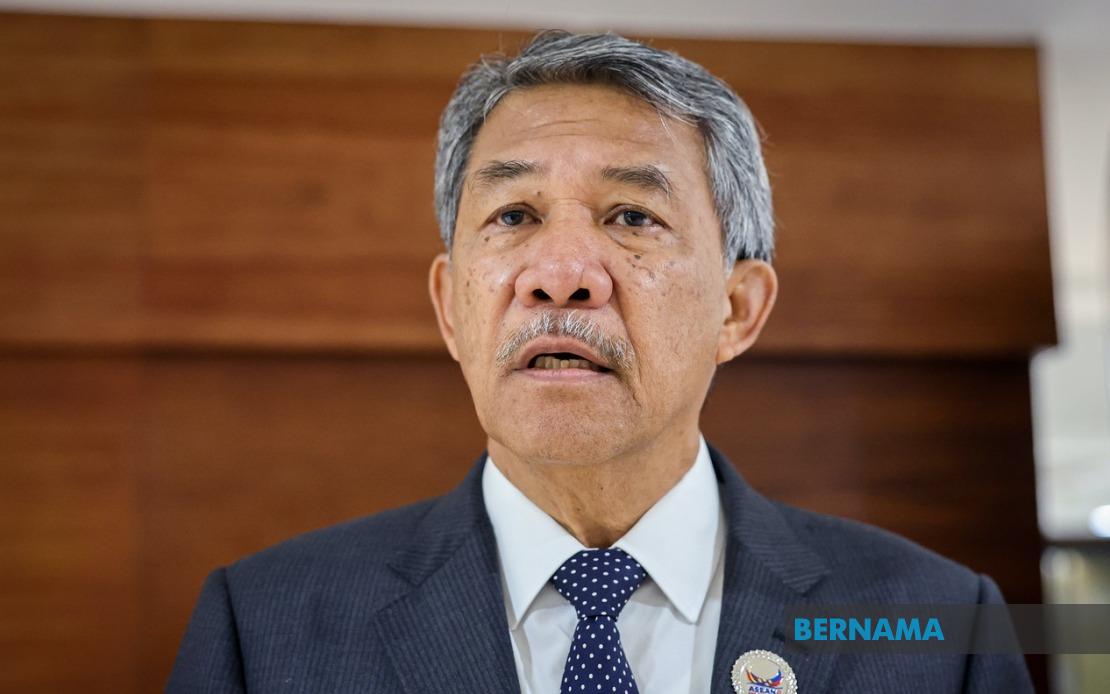
Malaysian Foreign Minister Datuk Seri Mohamad Hasan announced the expansion following the plenary session at the Philippine International Convention Centre, characterising the admissions as proof of international confidence in ASEAN's commitment to peaceful coexistence and regional stability. The decision emerged from broader discussions at the 59th AMM, the Post-Ministerial Conference and related diplomatic gatherings, all convened under the Philippines' stewardship of ASEAN's rotating chairmanship.
The TAC, formally established in 1976, serves as a foundational diplomatic instrument codifying principles that ASEAN members regard as essential to maintaining regional peace. The treaty enshrines commitments to non-interference in internal affairs, mutual respect for sovereignty, peaceful settlement of disputes and enhanced cooperation among signatories. These principles have anchored Southeast Asian diplomacy for nearly half a century, creating frameworks through which both members and external partners navigate complex geopolitical terrain.
The treaty's membership now extends to 58 High Contracting Parties, encompassing all eleven ASEAN nations plus an expanding circle of countries from every inhabited continent. Beyond the four newest European signatories, the TAC includes major powers such as China, India, Japan, the United States and Russia, alongside significant regional and global players including Australia, New Zealand, Brazil, Peru, Germany, Turkey, Saudi Arabia, Iran, Egypt and Morocco. This diverse composition reflects the treaty's capacity to bridge ideological divides and foster dialogue among nations with varying strategic interests.
Datuk Seri Mohamad underscored that this expansion demonstrates how the international community increasingly recognises ASEAN as a stabilising force in a region prone to geopolitical tension. The minister noted that numerous additional countries have submitted applications for accession, with the ASEAN Secretariat in Jakarta currently processing these requests before forwarding recommendations to member states for consideration. This pipeline of applicants suggests momentum will likely continue as nations seek association with a bloc that has successfully maintained regional peace despite considerable diversity among members.
For Malaysia and other ASEAN members, the enlargement of the treaty's membership carries strategic implications. As Southeast Asian nations navigate intensifying great power competition—particularly involving the United States and China—the TAC provides a mechanism through which external powers can commit to respecting ASEAN's centrality and regional rules-based order. The accession of European nations is particularly significant in this context, signalling that countries thousands of kilometres away recognise the importance of stability in Southeast Asia to global prosperity and security architecture.
The Philippines framed this year's ASEAN activities under the theme "Navigating Our Future, Together," reflecting the bloc's self-conception as a collective actor capable of steering regional development despite external pressures. The timing of these treaty accessions, coinciding with the TAC's golden anniversary, amplifies the symbolism—demonstrating that ASEAN's founding diplomatic frameworks remain relevant and attractive to an expanding array of global actors fifty years after their creation.
The treaty's expansion also carries practical significance for Malaysia's foreign policy. As a middle power with substantial economic interests throughout Southeast Asia and beyond, Malaysia benefits from a rules-based diplomatic system that constrains unilateral action and privileges negotiated settlement of disputes. The broader the TAC's membership, the more these principles become embedded in international practice, creating external reinforcement for the regional order that Malaysia helped establish.
The processing of additional applications suggests that TAC membership may continue expanding. Each new signatory represents not merely symbolic endorsement of ASEAN principles but a binding commitment to specific codes of conduct. This gradual accretion of global consensus around ASEAN's founding values could incrementally strengthen the bloc's hand in managing regional disputes and maintaining space for smaller nations to pursue independent foreign policies without overwhelming pressure from larger powers.
For Malaysian observers, the admission of European nations is noteworthy because it confirms that ASEAN's appeal transcends immediate geography. The treaty has attracted interest from countries experiencing their own regional challenges—Poland and Lithuania, for instance, share concerns about security and sovereignty that resonate with Southeast Asian preoccupations. This universalisation of ASEAN's diplomatic principles suggests that the bloc's experience managing diversity and building consensus holds lessons recognised across continents.
The formal signing ceremonies scheduled for this week will provide opportunities for bilateral engagement between the new signatories and ASEAN members, potentially leading to deeper cooperation in trade, investment, educational exchange and security dialogue. These ceremonies also mark a moment for ASEAN to reflect on its evolution from a regional grouping into a globally recognised diplomatic actor whose frameworks command respect far beyond Southeast Asia's borders.

