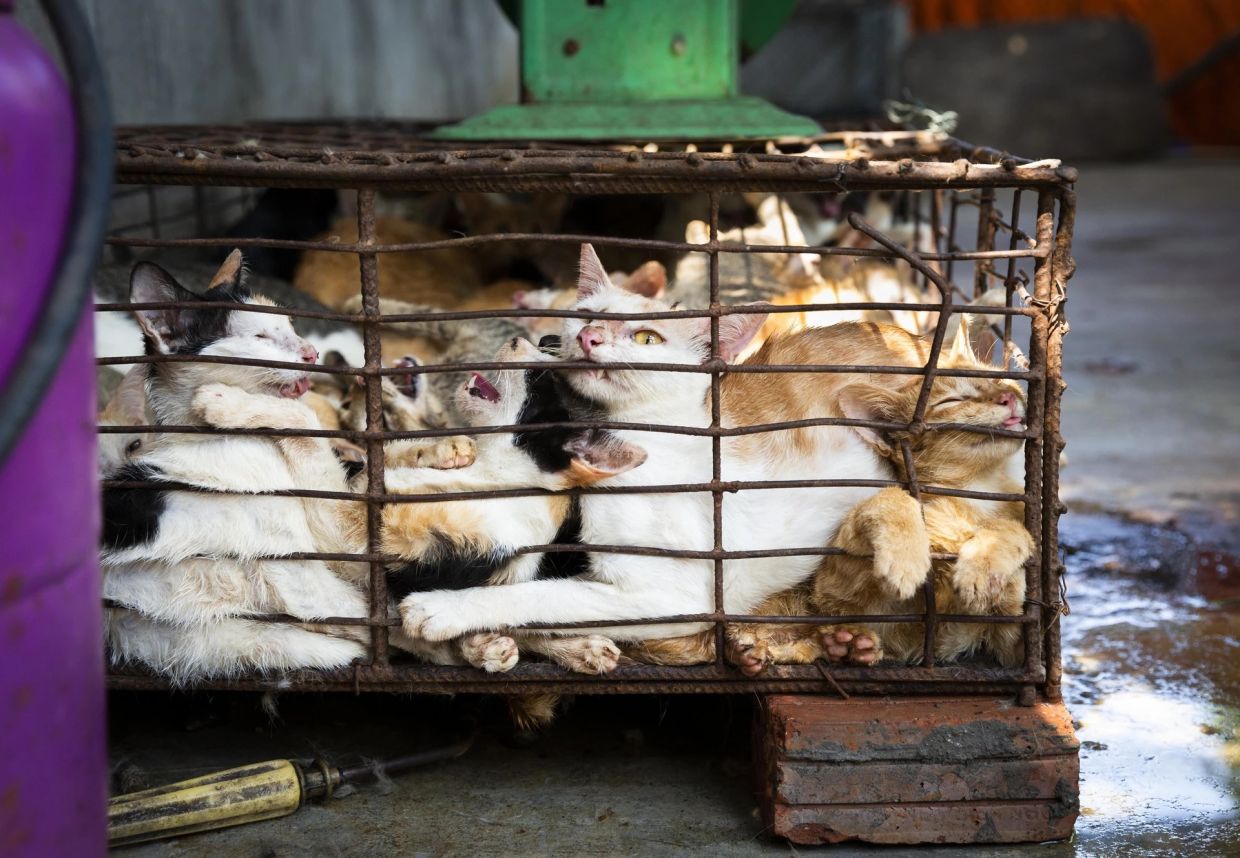
A thriving underground market for cat meat persists across Indochina, sustained by deeply entrenched cultural beliefs that consuming feline flesh brings good fortune and health benefits. The scale of the trade is staggering: animal welfare experts estimate approximately one million cats are killed annually in Vietnam alone, with additional smaller numbers slaughtered in Cambodia and Laos. This persistent trade operates despite decades of awareness campaigns by both government authorities and international animal welfare activists attempting to eliminate the practice from the region.
The superstitions driving this market are specific and deeply rooted in local traditions. In Vietnam, certain communities believe that consuming cat meat during particular phases of the lunar calendar can reverse bad luck or attract positive fortune. Some consumers also subscribe to traditional medicine beliefs attributing healing or health-enhancing properties to feline meat. Jon Rosen Bennett, who directs dog and cat welfare initiatives at FOUR PAWS, the global animal welfare organisation, explains that cat meat consumption is fundamentally cultural rather than dietary necessity. These beliefs have historical precedent in parts of Southeast Asia, where cats have long been symbolically linked to luck and prosperity in folk traditions.
The mechanics of the trade involve systematic theft and trafficking operations that span multiple provinces. Last week in Ho Chi Minh City, local police dismantled one smuggling operation and rescued approximately 500 cats from trafficking networks. Nine gang members were detained in connection with the inter-provincial smuggling operation, which according to investigations had been operating for at least three years, involving the systematic theft and sale of felines. This recent enforcement action illustrates the organized nature of the trade and the scale at which stolen cats are moved across borders for slaughter.
Pricing data from FOUR PAWS investigations conducted in 2020 reveals the economic structure supporting the trade. Live cats commanded prices between US$6 and US$8 per kilogramme, while processed cat meat sold for approximately US$10 to US$12 per kilogramme. A significant premium was placed on black cats, which local consumers believed possessed special luck-bringing or medicinal properties. These price points suggest a profitable underground market that incentivizes organized trafficking networks to continue operating despite legal risks and ethical concerns.
Crucially, Vietnam lacks comprehensive legal protections against this practice. There is currently no nationwide ban on the slaughter, sale, or consumption of cat meat in Vietnam, a regulatory gap that perpetuates the trade's continuation. This absence of formal prohibition creates a legal vacuum that enables traffickers and slaughterers to operate with limited accountability. The lack of legislative action stands in sharp contrast to shifting public sentiment in the region, revealing a disconnect between what most people support and what their governments have codified into law.
Public opinion research demonstrates overwhelming opposition to the trade among ordinary Southeast Asians, suggesting that cultural and superstitious practices may be confined to specific communities rather than representing mainstream values. According to Bennett's analysis, nearly 90 percent of Vietnamese respondents indicated support for implementing a ban on both dog and cat meat trading. Even more striking, over 90 percent of survey participants stated they do not regard cat meat consumption as a component of authentic Vietnamese culture. This data suggests that the trade persists not because it reflects widespread desire or cultural consensus, but because of entrenched practices among specific consumer groups and the absence of effective legal prohibitions.
Beyond animal welfare concerns, the trade poses significant public health risks that extend beyond the immediate impact on felines. The undocumented mass movement of cats across provincial and national borders creates optimal conditions for disease transmission. Rabies and other zoonotic diseases can spread rapidly through unregulated animal trafficking networks, threatening human populations across the region. Bennett emphasizes that the trade's contribution to disease spread represents a legitimate public health emergency, one that governments should address through coordinated border enforcement and trade regulations.
The suffering inflicted on animals through this trade is documented and severe. Cats are stolen from homes and streets, confined in inhumane conditions, transported across long distances without proper care, and subjected to brutal slaughter practices. The animals endure unimaginable suffering throughout this process, from initial capture through final slaughter. These conditions violate basic animal welfare principles and demonstrate the cruel reality behind the cultural superstitions and traditional practices that sustain demand.
Cat trafficking represents only one component of a broader and equally troubling animal meat trade in the region. Dog slaughter across Southeast Asia affects more than ten million animals annually according to animal activist estimates. However, similar to the cat trade, public sentiment is shifting decidedly against dog meat consumption. The majority of regional populations do not consume dog meat, and opposition to the trade continues growing, though the subject remains extraordinarily sensitive in certain societies where the practice retains cultural defenders.
In response to these challenges, international welfare organisations are expanding prevention efforts and public engagement. FOUR PAWS launched an online public reporting platform in early June as part of a broader awareness campaign targeting both dog and cat meat trades in Cambodia. This platform enables citizens to report trafficking and slaughter operations to authorities, creating a mechanism for community participation in enforcement efforts. Such initiatives attempt to bridge the gap between public opposition and governmental action.
The persistence of these trades despite public opposition and animal welfare concerns reflects the complex intersection of tradition, superstition, economic incentives, and regulatory gaps across Indochina. Addressing the issue requires multifaceted approaches including legislative bans, enforcement coordination across borders, alternative livelihood programs for traffickers, and sustained public education campaigns targeting those who continue purchasing these products based on superstitious beliefs.

