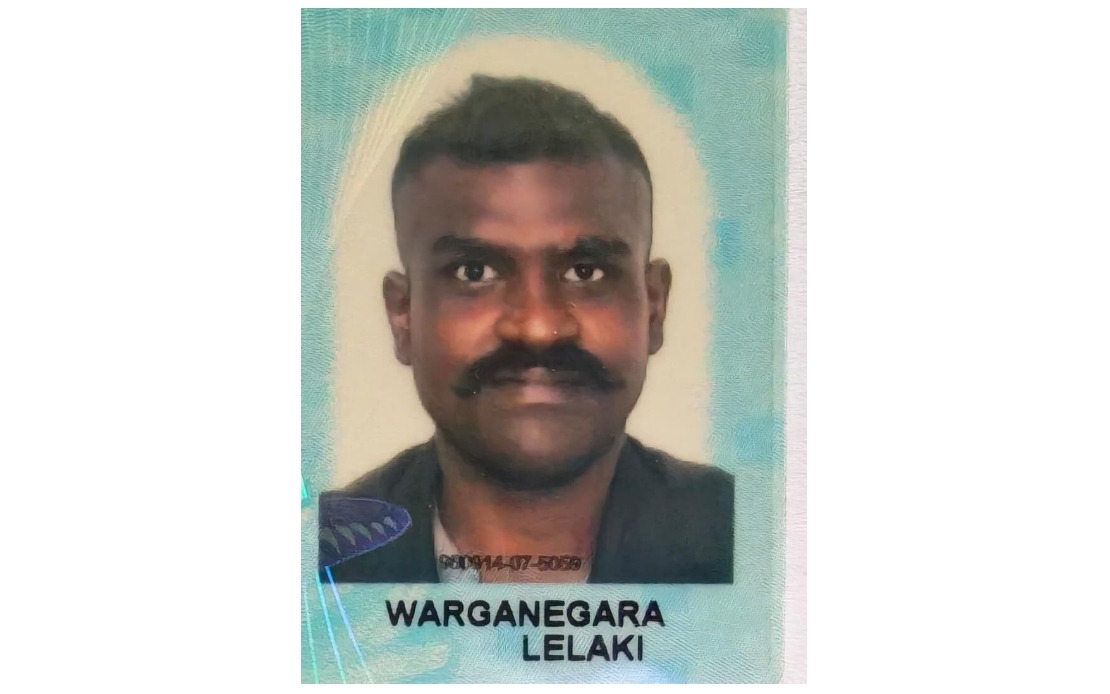
Sungai Bakap Hospital in Nibong Tebal has launched a public appeal to locate the next of kin of M. Balakrishnan, 29, who succumbed to severe sepsis and multi-organ failure on August 10 after nearly three months of hospitalization. The deceased's remains are currently held at the hospital's Forensic Medicine Unit as authorities work to identify family members who can claim the body and make funeral arrangements.
Balakrishnan's case represents a poignant example of homelessness and social disconnection in Malaysia. Originally admitted to Bukit Mertajam Hospital, he was transferred to Sungai Bakap Hospital on May 27 while awaiting placement at a Social Welfare Department care centre. Throughout his three-month stay, no visitors came to see him, and hospital staff were unable to extract any meaningful information about his background or family ties from the patient himself.
The hospital's search for next of kin has proved remarkably difficult despite access to official channels. The National Registration Department traced an address listed in government records to No. 19, Jalan Sungai Buloh in Taman Segar, Kampung Baru Subang, Selangor. However, when police officers visited the premises, they discovered the home was occupied by a Malay family with no knowledge of Balakrishnan or any of his relatives. This discovery suggests either that Balakrishnan had not maintained contact with his family for years, or that his registered address was outdated and no longer reflected where his kin actually resided.
The circumstances surrounding Balakrishnan's death underscore a broader challenge facing Malaysian hospitals and welfare agencies: managing the care and final disposition of patients with no identifiable support network. Social disconnection can occur for various reasons—migration to urban areas, family estrangement, loss of documentation, or the progressive isolation that often accompanies homelessness. In such cases, the responsibility falls upon healthcare institutions to serve not only as treatment providers but as investigators attempting to restore human connections that may have been severed years earlier.
Severe sepsis and multi-organ failure, the conditions that claimed Balakrishnan's life, represent medical emergencies with high mortality rates even in developed healthcare systems. His three-month hospitalization indicates that medical staff made sustained efforts to stabilize and treat his condition, demonstrating commitment to patient care regardless of social circumstances. Yet the final outcome highlights how systemic health issues compounded by social vulnerability can prove fatal despite professional intervention.
The involvement of the Social Welfare Department in Balakrishnan's case reflects Malaysia's social safety net framework. Government care centres managed by Jabatan Kebajikan Masyarakat provide crucial services for homeless and vulnerable individuals. That Balakrishnan was being processed for placement suggests someone—possibly hospital social workers or outreach staff—had already identified his vulnerability and initiated support procedures. His death before placement could occur represents a tragic gap in the welfare system's ability to intervene in time.
Sungai Bakap Hospital's public appeal represents a final attempt to afford Balakrishnan dignity in death by reuniting his remains with family, should they exist and be willing to come forward. Such appeals are standard practice in Malaysian hospitals when conventional investigative methods exhaust themselves. The hospital is essentially asking: Does anyone remember this man? Does anyone bear his name? Does anyone have a claim upon his body?
For Malaysian readers, this case raises important questions about how communities support vulnerable populations and maintain social bonds. In an era of rapid urbanization and migration, individuals can become disconnected from their family networks. The story of M. Balakrishnan serves as a reminder that homelessness and social isolation are not abstract problems affecting distant populations, but realities affecting real Malaysians in hospitals across the country.
The public's response to such appeals, when they occur, often proves decisive. Previous cases have generated leads through networks of friends, former colleagues, community members, or distant relatives who recognize details and come forward to provide information. Anyone with knowledge of Balakrishnan's background, previous residence, employers, or associates is encouraged to contact Sungai Bakap Hospital to assist in resolving this matter.
Beyond the immediate question of locating next of kin, Balakrishnan's case reflects ongoing concerns about homeless healthcare and social welfare capacity in Penang and throughout Malaysia. As urban populations grow and economic pressures intensify, the number of individuals experiencing homelessness continues to rise. Hospitals increasingly encounter patients with complex psychosocial needs and minimal family support. The coordination between healthcare providers, welfare departments, and community organizations becomes ever more critical in ensuring vulnerable patients receive not just medical care but genuine pathways toward stability and social reintegration.
Sungai Bakap Hospital continues to hold Balakrishnan's remains pending identification of next of kin. The hospital has specifically requested that members of the public with any information contact them directly. Funeral arrangements cannot proceed until family members are located and can make decisions about their deceased relative. This final appeal represents both a practical necessity and a symbolic gesture—an effort to ensure that someone, somewhere, will acknowledge M. Balakrishnan's passing and see him properly laid to rest.

