The summer months typically bring lighter trading volumes and reduced market volatility, but this August is proving an exception. Rather than settling into seasonal doldrums, investors and policymakers face a compressed agenda of consequential developments that could reshape expectations for monetary policy, energy security, and currency valuations across the developed and emerging world. From Tokyo to London to Washington, the week ahead promises little respite from the pressures that have defined 2024's market landscape.
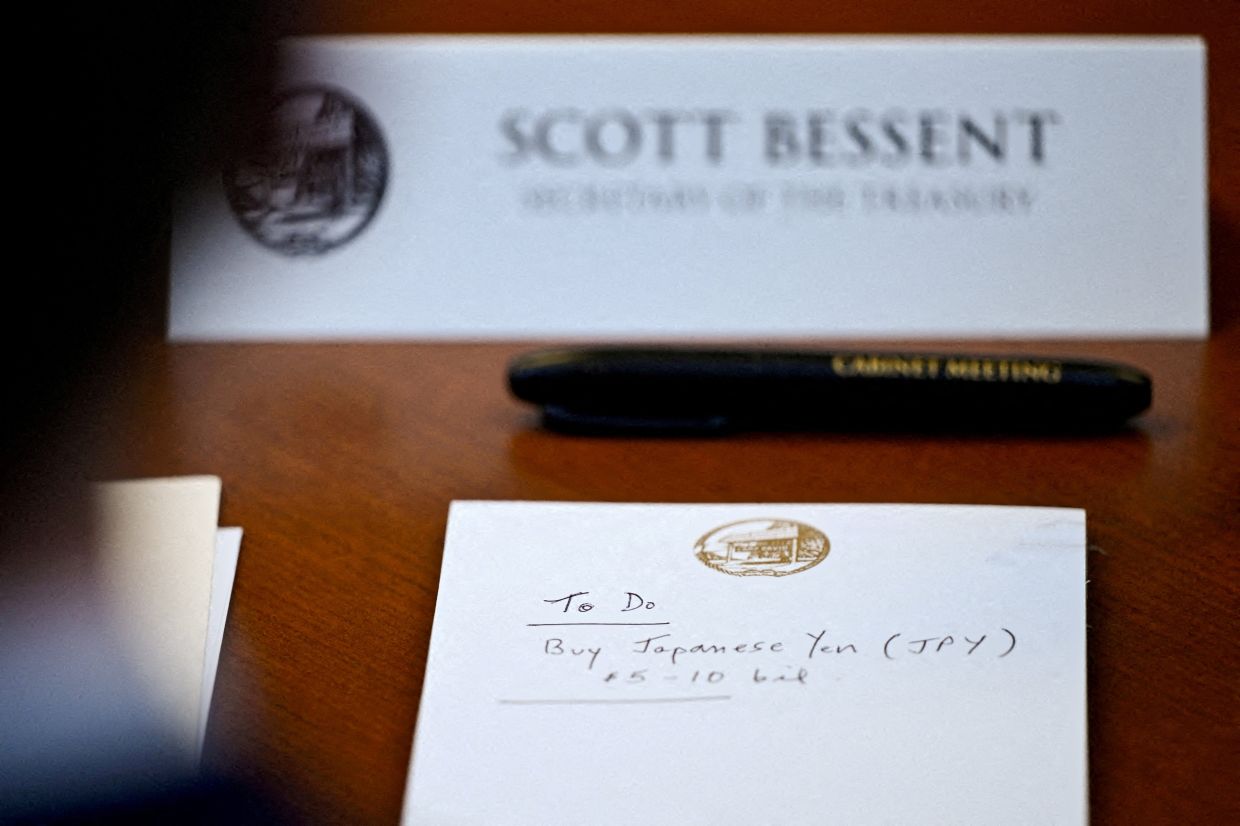
At the forefront stands the Japanese yen, which has slumped to levels not seen in over forty years. This sustained weakness carries profound implications for a major exporter struggling with elevated import costs during a period of global energy uncertainty. The joint intervention by the United States and Japan last week, including a rare coordinated effort to purchase yen, has provided temporary relief, but questions persist about the depth and durability of policymakers' commitment. Scott Bessent, the U.S. Treasury Secretary, was photographed with a notable "to-do" list that explicitly mentioned yen purchases, signalling American support. Yet beyond the theatre of diplomatic photography lies a crucial technical question: the intervention employed euros rather than dollars, a choice that analysts interpret as deliberate positioning to avoid straining U.S. bond markets. If foreign central banks were forced to liquidate Treasury holdings to fund yen support, the resulting selling pressure could undermine the dollar's standing as the world's reserve currency—a debate far from resolved.
Market participants are now watching intently for signals from Japan's central bank about the timing of a potential rate increase in September. The minutes released Monday from July's policy meeting have strengthened the intellectual case for tightening, which could reinforce the yen's rebound through higher yield attractions. However, the interaction between domestic Japanese monetary policy and international currency intervention remains complex and potentially at odds. A rate hike would support the yen through conventional channels, but it also risks slowing an already fragile domestic economy. For regional markets including Malaysia, a stronger yen carries mixed implications—it could increase competition from Japanese exporters while simultaneously reducing import costs for energy and raw materials.
Beyond currencies, the Middle East remains a persistent wildcard. Iran and Oman are reportedly negotiating an interim agreement that could provide mechanisms for maintaining safe passage through the Strait of Hormuz, one of the world's most critical energy chokepoints. Notably, the United States has not yet signed off on these talks, and previous agreements in this theatre have proven fragile. Yemen's Houthi militias, backed by Tehran, have sustained attacks on shipping and Saudi Arabia, demonstrating that diplomatic agreements face persistent spoiling from non-state actors with their own strategic interests. For Malaysian importers and energy consumers, the stability of Gulf shipping lanes directly affects input costs and inflation trajectories. With crude prices hovering in ranges sensitive to supply shocks, any deterioration in corridor security could ripple across Southeast Asian economies dependent on reliable energy imports.
The timing of these negotiations carries domestic American political weight. Gas prices remain stubbornly above four dollars per gallon, and with less than five months until midterm elections, the sitting president faces pressure to demonstrate energy market management. While inflation has moderated from earlier peaks, it continues to exceed the Federal Reserve's two percent target and represents a persistent voter concern. This political calendar may inadvertently encourage acceptance of interim or fudged arrangements rather than durable settlements, leaving markets vulnerable to renewed shocks.
Inflation data published on Wednesday will provide the week's most consequential economic signal. The July consumer price index is expected to show annual growth of 3.4 percent, with core inflation excluding food and energy at 2.5 percent. These forecasts, drawn from Reuters polls of economists, reveal a labour market increasingly disconnected from pricing dynamics—last week's unexpected July job losses have complicated the Fed's inflation narrative. Policymakers face a potential dilemma: if Wednesday's print disappoints, the case for September rate increases becomes harder to defend, yet maintaining accommodation runs counter to the central bank's anti-inflation mandate. Producer price data released Thursday will layer additional complexity onto this picture, while retail sales figures on August 14 cap a dense week of American economic releases.
The Federal Reserve's July meeting saw three dissenting votes in favour of rate increases, signalling fractures within the policy committee. Markets are currently pricing approximately forty percent probability of a rate hike at the September gathering, though this probability could shift substantially based on the coming week's data. For Malaysian businesses with dollar borrowings or those competing against American firms, these interest rate expectations carry direct relevance to capital costs and competitive positioning.
International central banks are displaying more cautious positioning. Australia's Reserve Bank is expected to hold rates steady on Tuesday as policymakers evaluate whether three rate increases delivered earlier in the year have sufficiently constrained inflation. Recent data showed consumer prices rising at a slower pace during the June quarter, though Governor Michele Bullock has signalled readiness to hike again if inflation re-accelerates. Norway's Norges Bank faces a similar calculation, with core inflation moderating but the central bank maintaining a hawkish posture through Thursday's expected hold decision. These regional policy stances matter for the broader Asia-Pacific growth outlook and exchange rate dynamics.
Britain's new Prime Minister, who assumed office in July, faces the publication of second-quarter GDP data alongside monthly June figures on Thursday. June retail sales exceeded expectations, buoyed by major sporting events and favourable weather conditions, suggesting a potential bounce in quarterly figures. However, the second-quarter aggregate likely reflects the fizzling of growth momentum that characterised the first three months of the year, with April and May showing substantial deceleration. Lower energy prices during the brief period of international agreement over Iran may have provided temporary relief to British consumers, though this stimulus has since reversed. The Prime Minister will be hoping for a surprise reminiscent of the eurozone's stronger-than-expected expansion, though such optimism may prove misplaced.
The eurozone's preliminary data showed second-quarter growth outpacing expectations, with updated figures due Thursday. These releases carry significance for Malaysia as a trading nation with substantial business exposure to European markets. Stronger European demand could support Malaysian exports of palm oil, electronics, and manufactured goods, while regional growth slowdowns would naturally constrain these outlets.
What emerges from this compressed agenda is a market environment where policymakers face asymmetric information and competing pressures. Currency intervention, geopolitical brinkmanship, and inflation data are intersecting at a moment when traditional summer seasonality no longer provides relief. For Asian markets including Malaysia, the week's outcomes will reverberate through capital flows, currency valuations, and commodity prices, making close attention to each development essential for investors, corporate treasurers, and policymakers navigating an increasingly interconnected global economy.

