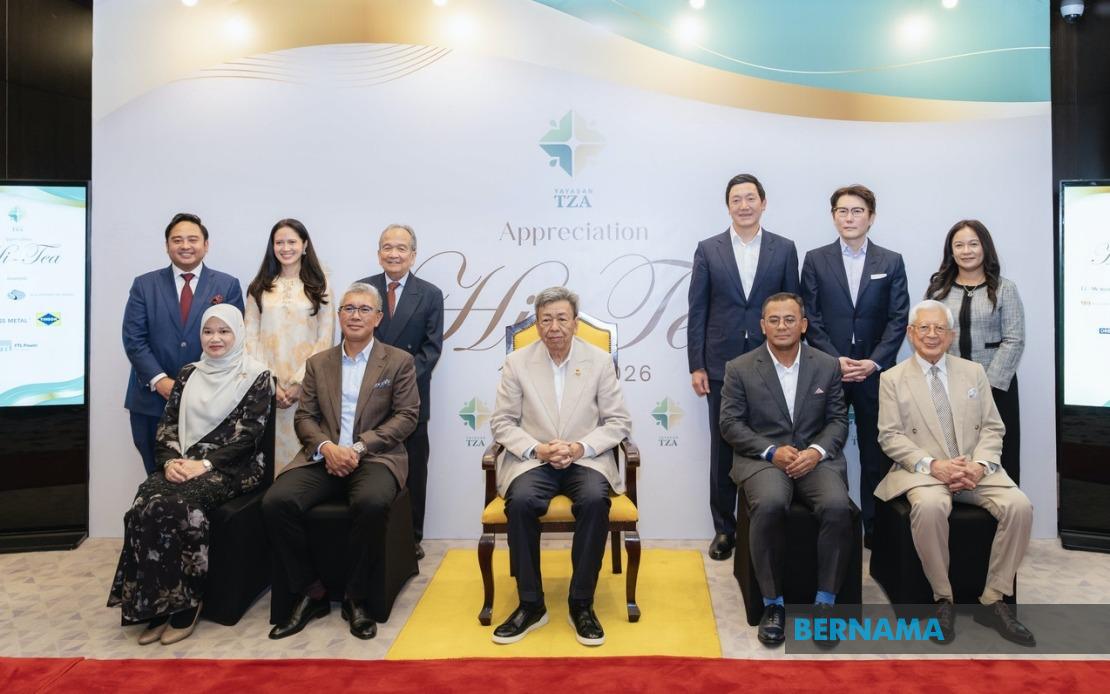
Sultan Sharafuddin Idris Shah, the reigning Sultan of Selangor, graced the Yayasan TZA Appreciation Hi-Tea Ceremony in Kuala Lumpur on June 18, underscoring the royal family's continued support for the foundation's charitable work. The timing of the royal visit reflected the significance of YTZA's programmes in addressing socio-economic challenges facing vulnerable populations in Malaysia, particularly in the context of widening income inequality and educational access gaps that have become increasingly pressing concerns across the nation.
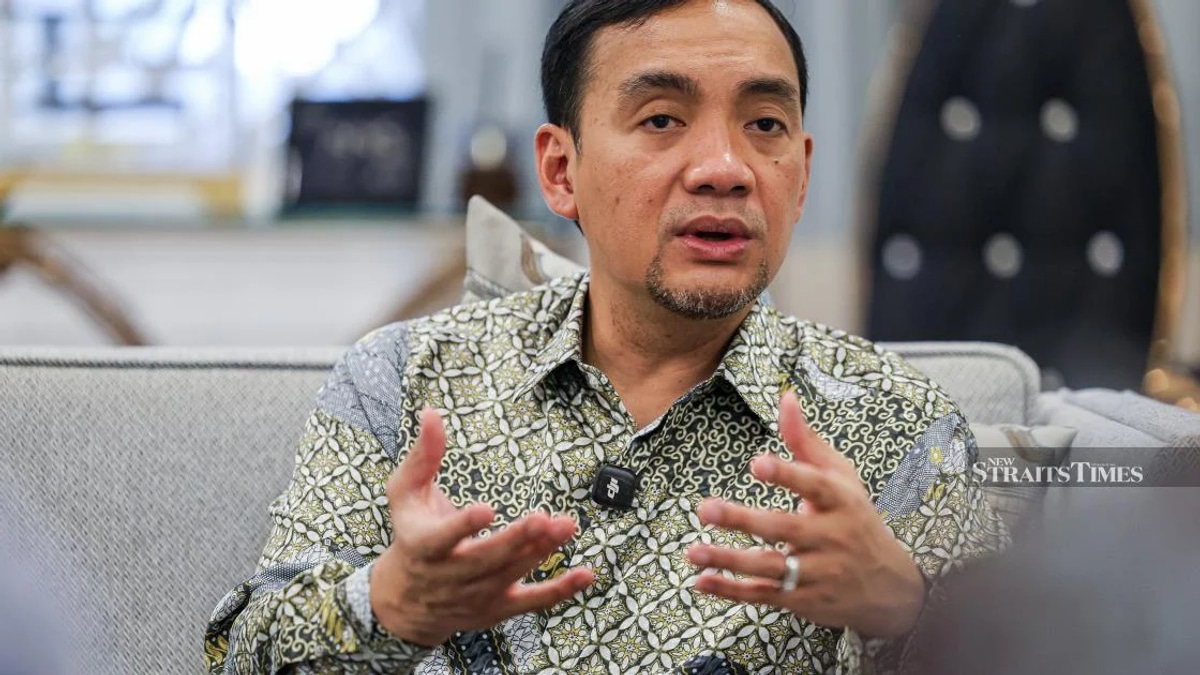
Tengku Datuk Seri Zafrul Abdul Aziz, the foundation's advisor, used the occasion to articulate a broader vision for YTZA's operations extending beyond immediate relief efforts. His remarks emphasised that the foundation's work encompasses a deliberate strategy to strengthen communities from within, rather than merely treating symptoms of poverty or educational disadvantage. This philosophy resonates with evolving international development practices that prioritise sustainable, locally-driven solutions over top-down interventions. For Malaysian policymakers and civic leaders, such an approach offers valuable lessons in designing more resilient social support systems.
The foundation's flagship ACE SPM programme emerged as a centrepiece of YTZA's educational mandate. Designed specifically to bolster examination readiness among Sijil Pelajaran Malaysia candidates from B40 households—those earning less than RM4,850 monthly—the initiative addresses a critical juncture in students' academic trajectories. The 2025 cohort benefited 467 students across ten Selangor schools, a modest but meaningful reach that demonstrates targeted intervention in a state where educational disparities persist despite relative economic development. The programme's expansion beyond classroom support to include digital learning channels, which reached over 4,000 students, reflects pragmatic adaptation to contemporary educational delivery models that transcend traditional geographic limitations.
The digital dimension of YTZA's work carries particular significance for Southeast Asian contexts where internet penetration varies widely and where educational technology has become both an opportunity and a source of further inequality. By extending reach through online channels, the foundation acknowledges that traditional classroom-based programmes alone cannot address the scale of need. This hybrid approach offers lessons for other Malaysian NGOs and government agencies wrestling with how to scale educational support efficiently across dispersed populations.
Funding announcements during the ceremony underscored corporate sector engagement with social development priorities. Kuok Brothers Sdn Bhd's RM1 million contribution and YTL Power International Berhad's RM300,000 donation, both witnessed by the Sultan, signal business community recognition that educational equity carries strategic importance. Corporate social responsibility initiatives in Malaysia have evolved significantly beyond philanthropy, increasingly reflecting understanding that social stability and human capital development directly influence long-term business environments and market stability.
The foundation's broader commitment to sustainability initiatives and community outreach demonstrates awareness that educational support alone cannot address systemic disadvantage. Comprehensive approaches incorporating economic empowerment, cultural affirmation, and festive community engagement create more cohesive social fabric than siloed interventions. This integrative philosophy aligns with recognised international best practices in development work and offers Malaysian organisations a model for holistic community engagement.
YTZA's announcement of Larian KITA@Klang, scheduled for October 10 as part of the Sultan of Selangor's Silver Jubilee celebrations, exemplifies how community initiatives can simultaneously serve social integration and cultural purposes. The fun run series, now in its fourth iteration, deliberately positions fitness and wellness within frameworks celebrating local heritage and culinary identity. Such programming recognises that community building requires emotional and cultural dimensions alongside material support, fostering genuine social cohesion rather than transactional charity relationships.
The attendance of Menteri Besar Datuk Seri Amirudin Shari and Education Minister Fadhlina Sidek reflected multi-level governmental acknowledgement of YTZA's work. This convergence of royal patronage, state leadership, and federal education ministry presence demonstrates consensus regarding the importance of educational equity initiatives. For Malaysian education policy observers, such governmental alignment suggests potential receptivity toward expanded collaboration between public institutions and foundational entities in addressing curriculum gaps and student support deficiencies.
Tengku Zafrul's specific gratitude toward sponsors, donors, partners, and volunteers represented more than perfunctory acknowledgement. It underscored an operational reality that Malaysian civil society increasingly depends on distributed networks of support rather than relying solely on government funding or individual patronage. This ecosystem approach to social development mirrors global trends toward collaborative problem-solving, where effective outcomes emerge from coordinated action across sectors. For Malaysia's non-profit landscape, such collaboration models offer sustainable pathways forward amidst constrained financial environments.
The YTZA ceremony ultimately illustrated a particular approach to Malaysian social development characterised by strategic focus, multi-sector engagement, and explicit commitment to empowerment over dependency. As educational inequality and B40 community challenges persist despite economic growth, such models demonstrate practical methods for bridging gaps between policy intentions and ground-level realities. The foundation's expansion trajectory suggests recognition that Malaysia's demographic dividend can only be fully realised through deliberate investment in educational opportunity for economically disadvantaged cohorts.