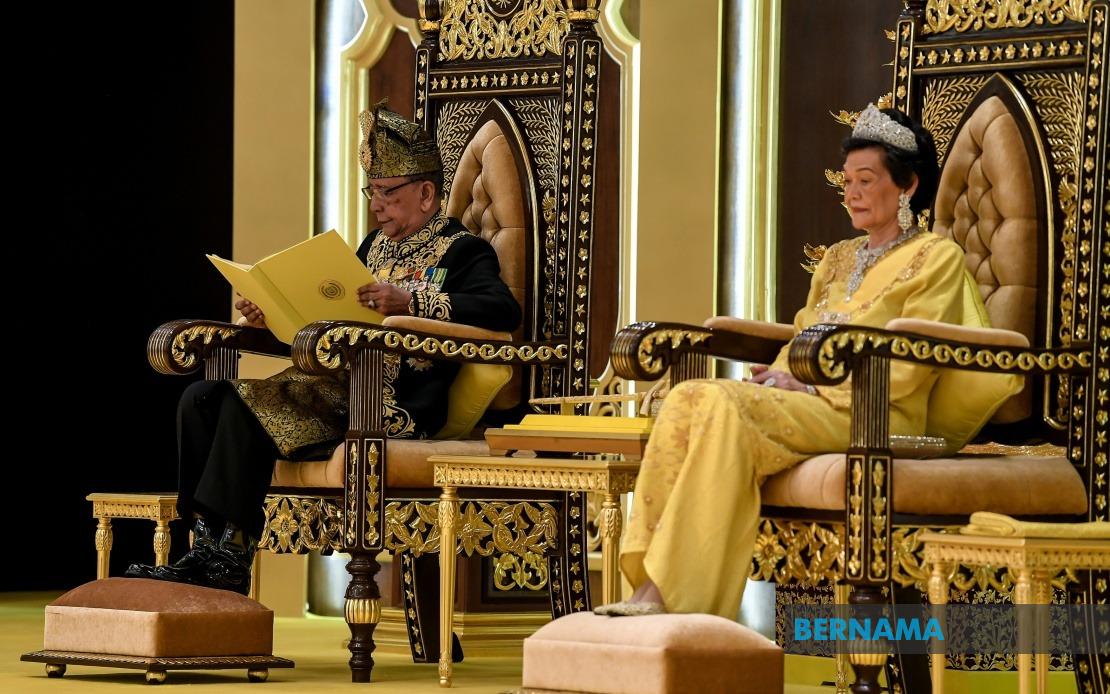
The Sultan of Kedah, Al Aminul Karim Sultan Sallehuddin Sultan Badlishah, has made a compelling case for Langkawi Island to forge its own development trajectory, emphasizing that the jewel of Malaysia's tourism crown possesses sufficient character and assets to stand independently without replicating the models employed by competing Southeast Asian destinations. Speaking at an investiture ceremony marking his 84th birthday in Alor Setar, the Sultan articulated a vision for the island that prioritizes authenticity over imitation, cautioning stakeholders against the temptation to benchmark Langkawi against established brands such as Phuket in Thailand or Bali in Indonesia.
The Sultan's intervention arrives at a critical juncture for Langkawi's development, as the island continues its evolution as a premier tourism and economic engine for Kedah state. Recognizing Langkawi as both a strategic national asset and a vital contributor to the state's economic wellbeing, the ruler underscored that the island's competitive advantage lies not in copying external models but in leveraging its inherent strengths. This positioning reflects a broader strategic understanding that sustainable tourism development depends on authentic differentiation rather than homogenization across regional markets.
Central to the Sultan's argument is the conviction that Langkawi's natural endowments and distinctive heritage constitute its most valuable capital. The island boasts geological formations, biodiversity, and cultural traditions that distinguish it from competing destinations. Rather than deploying these assets as mere backdrops to infrastructure that mirrors developments elsewhere, the Sultan advocates for an integrated approach where nature preservation and cultural conservation become drivers of development strategy. This philosophy represents a departure from conventional tourism expansion models that frequently prioritize volume and density of facilities over uniqueness and environmental stewardship.
The Sultan made clear that authorities must safeguard Langkawi's reputation with vigilance, declaring his unwillingness to tolerate actions or rhetoric from any quarters that might compromise the island's standing. This statement carries particular weight given the competitive pressures within Southeast Asian tourism, where destination perception can shift rapidly. Any reputational damage—whether from environmental incidents, poor governance, or unsustainable practices—could diminish Langkawi's appeal relative to established competitors and undermine decades of brand-building efforts.
Beyond tourism development philosophy, the Sultan highlighted concerning delays affecting critical infrastructure projects that directly impact residents' quality of life. The Sungai Kedah/Anak Bukit flood mitigation programme represents a longstanding initiative that remains incomplete despite its strategic importance. The recurring inundation of affected areas signals not merely technical inefficiency but a disconnect between grand development aspirations and fundamental service delivery responsibilities. This tension underscores a governance challenge that many Malaysian states face: balancing ambition for tourism and economic expansion against investment in basic infrastructure that protects existing populations.
The flooding problem in these areas carries implications beyond immediate hardship for residents. Unresolved flood mitigation can deter both commercial investment and residential confidence in affected regions, potentially undermining the economic development objectives that infrastructure investments are meant to support. The Sultan's insistence on resolving these delays reflects recognition that Langkawi's tourism potential cannot be maximized while adjacent areas of Kedah struggle with preventable environmental challenges. This perspective acknowledges the interconnectedness of regional development rather than treating tourism hubs as isolated from broader state conditions.
Langkawi's positioning within the Malaysian tourism ecosystem has evolved considerably over recent decades. The island transitioned from relative obscurity to become a duty-free shopping destination and beach resort hub, partly through aggressive promotional campaigns. However, the Sultan's remarks suggest a recalibration toward sustainable competitive advantage grounded in intrinsic characteristics rather than external incentives or comparative advantage based on regulatory privileges. This strategic pivot aligns with emerging global tourism trends that increasingly favour authentic experiences and environmental sustainability over mass-market models.
The Sultan's intervention also carries political dimensions worth noting for Malaysian observers. Royal pronouncements on development strategy carry particular resonance in the Malaysian constitutional framework, where sultans exercise formal roles as custodians of state interests. When a reigning sultan articulates clear positions on major economic development matters, government agencies and private stakeholders tend to take notice. The fact that the Sultan chose to address development philosophy at an official state function suggests these concerns occupy significant space within his governance priorities.
For Southeast Asian observers tracking tourism development patterns, the Sultan's comments offer a counternarrative to the homogenization of destination development. As competition intensifies among regional tourism competitors, differentiation strategies based on authentic positioning become increasingly valuable. Langkawi's success in carving out a distinct identity—neither attempting to be another Phuket nor pursuing identical strategies to Bali—could offer instructive lessons for other emerging destinations seeking sustainable competitive positions. The fundamental insight that authentic differentiation serves long-term competitiveness better than derivative imitation deserves serious consideration across the region.
Moving forward, whether Kedah's development authorities will embrace the Sultan's philosophical framework for Langkawi's future remains to be seen. The challenge lies in translating noble aspirations about preserving distinctive identity into concrete policy and resource allocation decisions. Real-world development pressures—investor demands, revenue targets, employment generation—often push authorities toward the proven models that the Sultan cautioned against. Success will require sustained commitment to vision articulation, not merely one-time royal endorsement, coupled with institutional mechanisms that embed sustainability and authenticity into planning and implementation processes across public and private sectors engaging with Langkawi's future.

