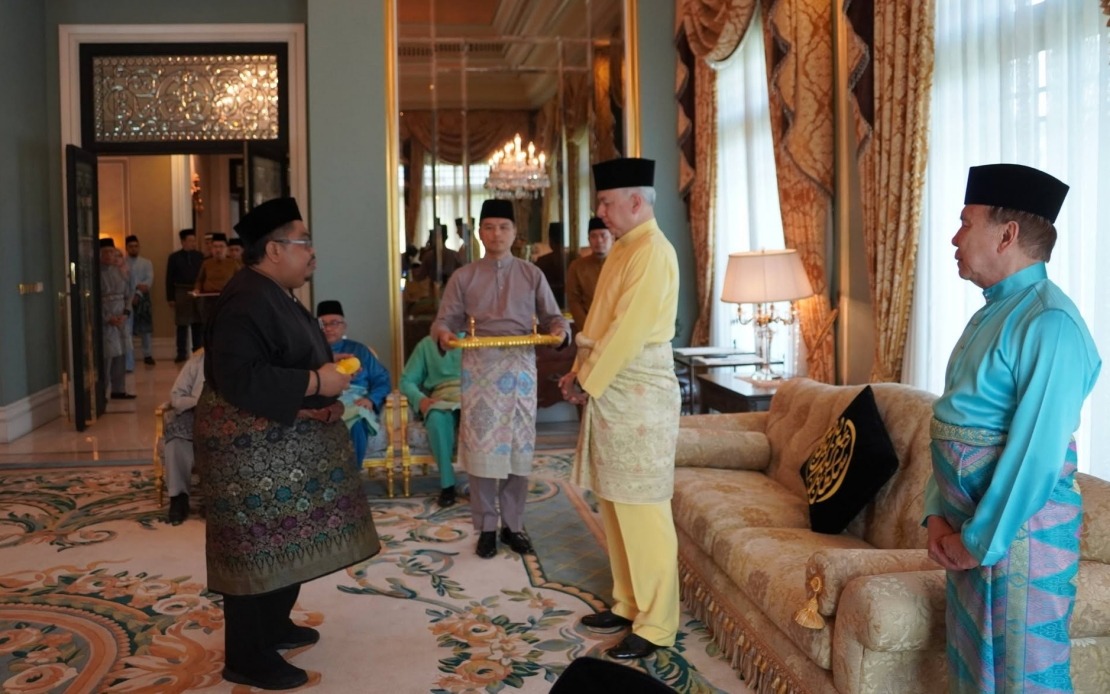
Sultan Nazrin Shah of Perak has consented to receive RM18.76 million in business zakat contributions channelled through Zakat Perak Al Ridzuan (ZAPAR), the state's religious authority, in a ceremony held at Istana Kinta. The acceptance of these funds underscores the continuing commitment of major Malaysian corporations to their religious obligations and social responsibilities towards the less fortunate within Perak's Muslim community.
The donations came from a diverse cross-section of the country's corporate landscape, spanning financial services, utilities, and trading entities. Empayar Indera Sdn Bhd initiated the contributions with RM200,000, setting the tone for what would become a substantial collective commitment to the state's zakat administration. The breadth of participating organisations reflects how zakat collection has become integrated into corporate governance practices among Malaysia's larger enterprises.
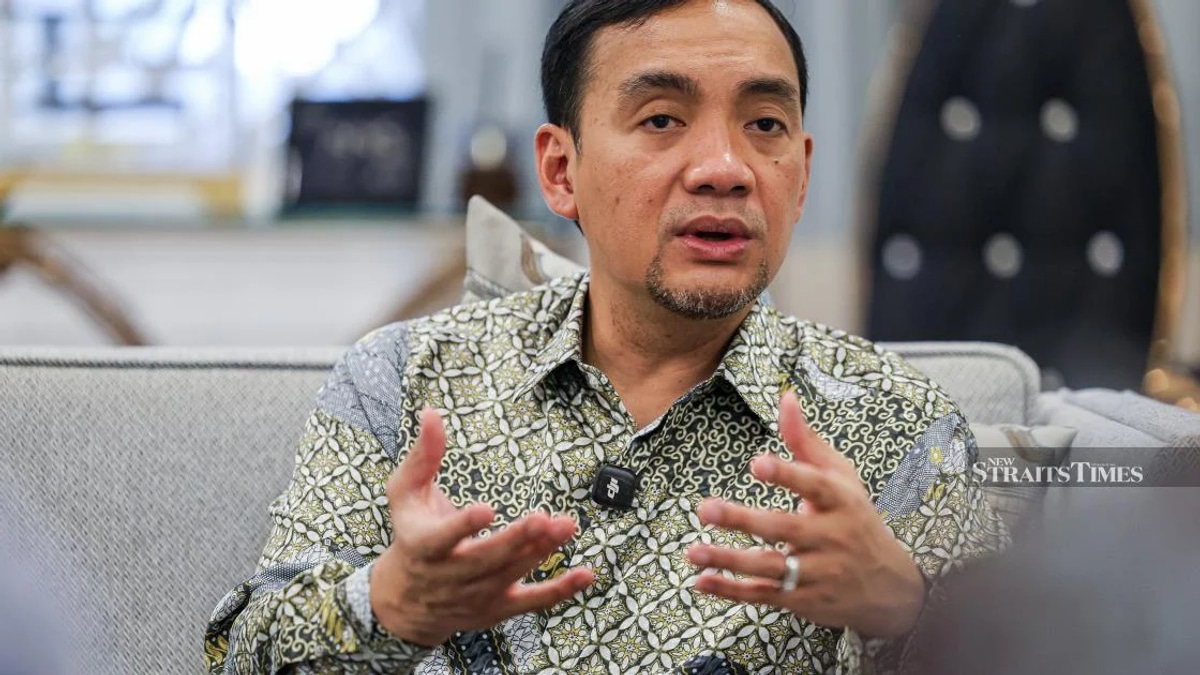
Maybank Islamic Financial Group emerged as a significant contributor, with its president and group chief executive officer Datuk Seri Khairussaleh Ramli presenting RM4.087 million to the initiative. As one of the region's leading Islamic banking institutions, the group's participation signals the strategic importance major financial players place on demonstrating Islamic values alignment and community investment. This amount represents a substantial portion of the total collected during the ceremony.
Lembaga Tabung Haji, the pilgrimage fund manager, demonstrated its institutional commitment by contributing RM6,497,476.64, making it the largest single donor among the six participating organisations. The contribution reflects the organisation's dual mandate as both a financial institution and custodian of Muslim welfare. Public Islamic Bank Bhd followed with RM300,000, further reinforcing the banking sector's central role in corporate zakat distributions.
Tenaga Nasional Berhad (TNB), the national electricity utility, contributed RM7.285 million, the second-largest donation, highlighting how essential service providers view zakat contributions as integral to their corporate social responsibility frameworks. YP Nominees Holdings Sdn Bhd completed the group with RM385,802.13, ensuring representation across different business sectors in this coordinated zakat presentation.
Following the ceremony, Sultan Nazrin formally transferred the collected funds to MAIPk president Tan Sri Mohd Annuar Zaini, completing the symbolic and administrative chain of custody. The Perak Islamic Religious and Malay Customs Council (MAIPk) carries the responsibility for managing these substantial resources with strict adherence to Islamic principles regarding zakat distribution.
Meanwhile, the ceremony also served as an occasion to advance institutional development within MAIPk, with Asmori Sa'ahari, director of the Perak Youth and Sports Department, receiving formal appointment as a council member. This addition suggests an attempt to strengthen linkages between youth development initiatives and religious administration in the state.
MAIPk emphasised that these contributions demonstrate sustained confidence from zakat-paying corporations in the organisation's stewardship and commitment to Islamic principles. The council stressed that it operates under strict standards of efficiency, transparency, and accountability—critical factors that maintain donor confidence in a system distributing substantial sums to vulnerable populations.
Distribution records for early 2026 reveal the tangible impact of such collections on vulnerable communities. Between January and March alone, ZAPAR distributed RM63.144 million to asnaf recipients—the eight categories of eligible beneficiaries under Islamic law—through various targeted assistance programmes. This quarterly figure demonstrates the scale of need within Perak's Muslim population and the significant operational capacity required to process and deliver aid effectively.
For Malaysian zakat administrators, the challenge lies not merely in collection but in ensuring funds reach appropriate recipients efficiently and equitably. The distribution mechanisms employed across various schemes suggest a sophisticated infrastructure capable of targeting assistance to specific demographic needs, whether emergency relief, educational support, or livelihood assistance. The regularity and scale of distributions indicate that corporate zakat contributions have become essential to state-level welfare provision in Muslim-majority states.
The corporate zakat phenomenon in Malaysia reflects broader trends in Islamic finance and business ethics. Large corporations increasingly view zakat obligations not as mere compliance burdens but as opportunities to demonstrate alignment with Islamic values while building reputation capital. For international and regional investors, Malaysia's developed zakat ecosystem—encompassing professional administrators, transparent reporting, and substantial institutional participation—offers reassurance about the credibility of Islamic business operations.
Looking forward, ZAPAR's ability to maintain corporate confidence and expand the donor base will likely determine its capacity to address growing welfare demands. The scale of quarterly distributions suggests that Perak's Muslim population faces persistent economic pressures, making sustained corporate commitment essential. As Malaysia positions itself as a global Islamic finance hub, the visible connection between commercial success and religious obligation, demonstrated through ceremonies like this one, reinforces the narrative that Islamic economics can deliver both spiritual compliance and social welfare outcomes.