The student-led advocacy organisation NewGen UM has escalated calls for transparency from the University of Malaya regarding an ongoing sexual harassment investigation into one of its academics, expressing frustration at the prolonged silence surrounding a matter the institution previously indicated was nearing resolution. The group's public demands underscore growing impatience within the student body over what appears to be a stalled process, raising broader questions about institutional accountability and the pace of disciplinary proceedings in Malaysian higher education.
When the University of Malaya made its statement last September, officials suggested the investigative phase was entering its concluding stages, implying that stakeholders might expect timely disclosure of findings. Several months have since elapsed without any formal announcement regarding the investigation's outcome, leaving affected parties and the wider university community in prolonged uncertainty. This timeline gap has become increasingly conspicuous, particularly among student activists who view transparency as essential to institutional credibility and safeguarding campus environments.
NewGen UM's intervention reflects a broader shift in Malaysian university culture, where student organisations have become more vocal in demanding accountability from institutional leadership. The group's decision to publicly highlight the delayed outcome suggests that internal channels may not have yielded satisfactory responses, prompting escalation to public scrutiny. This dynamic mirrors patterns observed across Southeast Asian campuses, where generational expectations around transparency and institutional responsibility have intensified markedly over the past decade.
Sexual harassment allegations within academic settings carry particular sensitivity in Malaysia, where universities function as critical spaces for young adults and where power imbalances between faculty and students are structurally inherent. Protracted investigations without closure can perpetuate an environment of uncertainty that affects not only the complainant but also the broader campus community's sense of safety and institutional reliability. The extended timeline may signal either investigative complexity, bureaucratic inefficiency, or competing institutional interests—none of which inspire confidence without explanation.
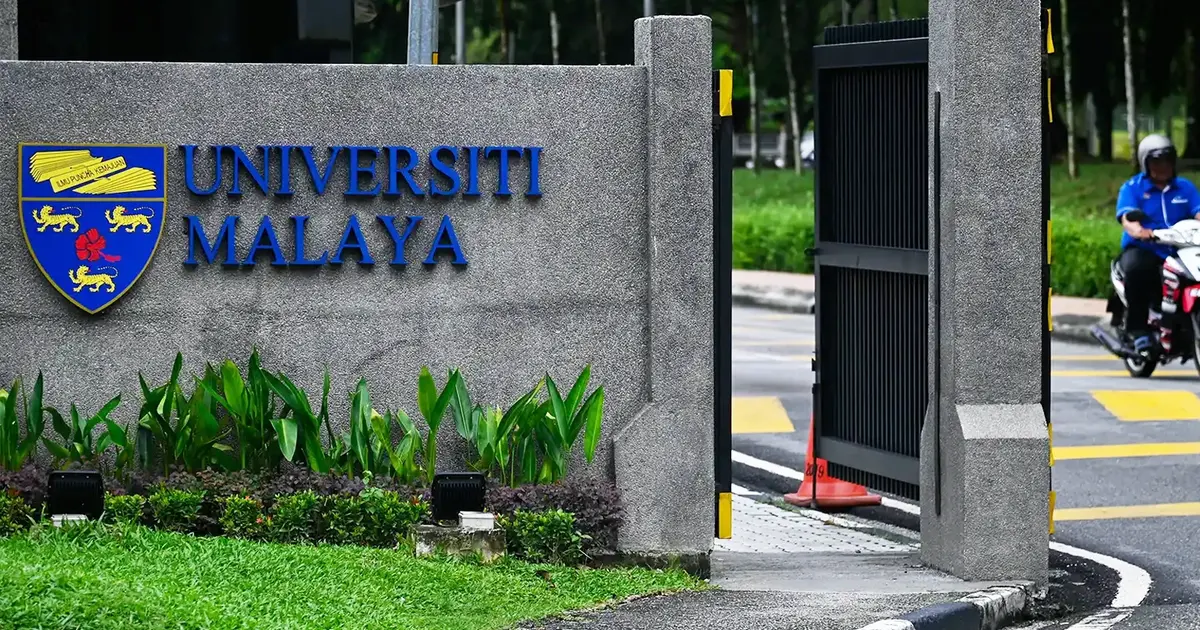
The University of Malaya, as Malaysia's oldest and most prominent public university, holds a position of considerable influence within the country's higher education ecosystem. Its handling of misconduct cases carries demonstrative weight for other institutions navigating similar challenges. Delayed announcements risk creating perception gaps where absence of communication becomes interpreted as institutional reluctance to address campus misconduct seriously, potentially undermining preventative policies and discourage future complaints from affected students.
Institutional investigations of this nature involve multiple stakeholders—complainants, respondents, witnesses, legal advisors, and administrative officials—each with legitimate interests in process integrity. Comprehensive investigations cannot be rushed without compromising thoroughness. However, maintaining communication throughout the process, even in preliminary form, represents a distinct responsibility separate from premature conclusions. The apparent communication vacuum appears to reflect a gap in this particular obligation.
Student activists in Malaysia have increasingly adopted formal demand-making approaches, moving beyond informal grievance channels to structured public advocacy. NewGen UM's action exemplifies this maturation of campus activism, where groups employ transparency demands and public pressure as legitimate tools for institutional accountability. Such movements have historically prompted responsive action from university leadership, suggesting that NewGen UM's intervention may catalyse movement on this stalled matter.
For Malaysian readers and parents considering or supporting students at the University of Malaya and other domestic universities, such developments carry direct relevance. Institutional capacity to investigate misconduct transparently and conclude matters within reasonable timeframes represents a measurable indicator of campus safety culture and administrative competence. Prolonged opacity on these matters warrants attention and can influence decisions about institutional trust and campus selection.
The broader context includes Malaysia's evolving legal and regulatory framework surrounding workplace and campus harassment. The country has progressively strengthened protections through statutory amendments, yet institutional mechanisms for enforcement and transparent accountability lag behind legislative intent in some cases. Universities function partially as autonomous entities within the public sector, occasionally creating ambiguity about reporting obligations and disclosure timelines that might not exist in corporate or governmental settings.
Movement on this matter would likely satisfy multiple parties simultaneously. The complainant presumably seeks resolution and acknowledgment; the respondent merits clarity on their status; the student body needs confidence that misconduct will be addressed; and the institution itself benefits from closure that demonstrates responsive governance. The continued silence appears to serve no stakeholder interest meaningfully, suggesting that administrative or procedural obstacles rather than substantive complexity may be driving delay.
NewGen UM's public pressure campaign represents precisely the form of institutional scrutiny that Malaysian universities must accommodate within functioning accountability ecosystems. Whether through administrative response, university council action, or media attention, the impetus for transparency appears poised to intensify. The University of Malaya's subsequent moves will likely set precedent for how similar matters are handled across Malaysian higher education, making the stakes of this particular case extend beyond the immediate parties involved.