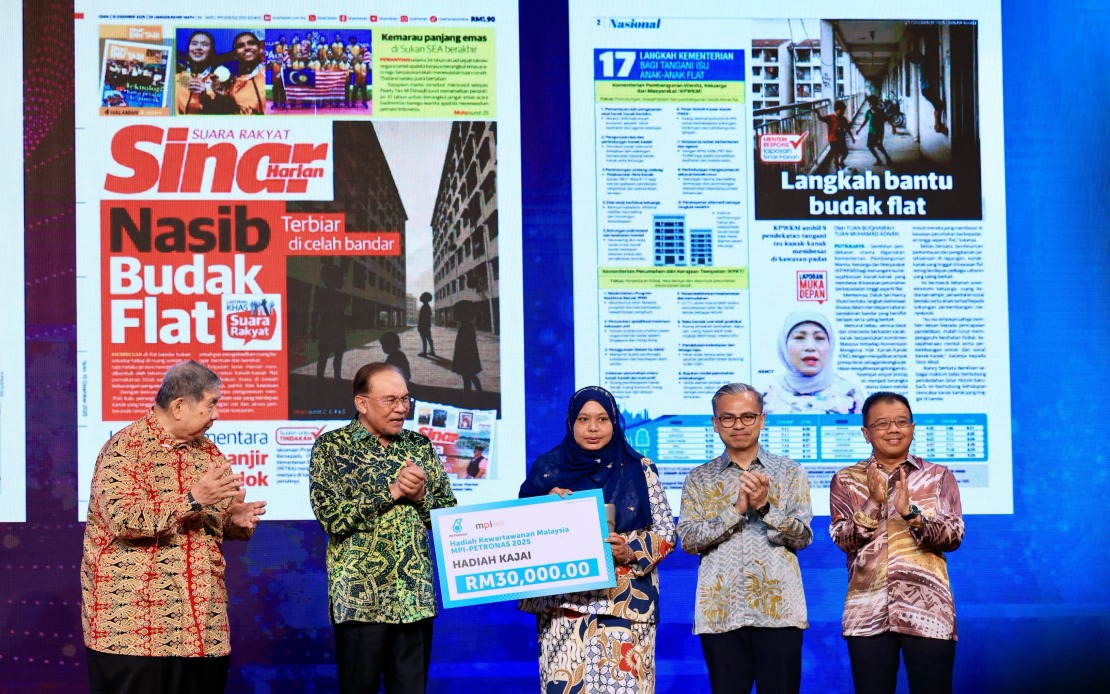
The integrity of democratic systems depends fundamentally on media organisations that operate with ethical principles and editorial independence, Communications Minister Datuk Seri Fahmi Fadzil said this week, underlining the government's recognition of journalism's pivotal role in Malaysia's political landscape. Speaking at the Malaysian Journalists' Night (MWM) 2026 alongside Prime Minister Datuk Seri Anwar Ibrahim, Fahmi acknowledged that media practitioners serve as essential custodians of public discourse and democratic accountability. The minister's remarks come at a time when information ecosystems across Southeast Asia face unprecedented pressures from digital misinformation and coordinated disinformation campaigns that threaten public trust in authoritative news sources.
The scale and reach of false information has fundamentally altered the media environment in Malaysia and throughout the region. Where once misinformation spread primarily through word-of-mouth or limited publication channels, today's social media platforms enable false narratives to reach millions within hours, often outpacing efforts by legitimate newsrooms to provide accurate reporting. Fahmi's emphasis on the media's heightened responsibility reflects the reality that journalists now compete not merely against rival publications but against algorithmic systems designed to amplify sensational content regardless of its truthfulness. For Malaysian citizens navigating an increasingly complex information landscape, distinguishing credible reporting from fabrication requires both media literacy and access to news organisations committed to verification and transparency.
The Malaysian Journalists' Night 2026 served as a formal recognition of journalism's value at a moment when the profession faces mounting scepticism and resource constraints globally. The event drew approximately 1,000 attendees from across the media industry, including editors and journalists alongside government officials, corporate leaders, and representatives from universities and media organisations. This gathering reinforced institutional acknowledgement that journalism and democratic governance are interdependent—that neither can function effectively without the other's cooperation and mutual respect. The presence of both the Prime Minister and Communications Minister signalled official recognition that a healthy media ecosystem serves national interests rather than undermining them.
The presentation of the MPI-PETRONAS Malaysian Journalism Awards 2025 during the event highlighted excellence within the profession and provided tangible recognition to journalists whose work exemplifies the standards Fahmi articulated. Awards ceremonies for journalism serve multiple functions within democratic societies: they celebrate outstanding reporting, establish and reinforce professional standards, and signal to the broader public which news organisations and individual journalists maintain editorial integrity. For Malaysian newsrooms competing for resources and audience attention in an increasingly fragmented media market, such recognition provides validation that quality journalism remains valued and necessary.
Independent media operations face particular pressures in Malaysia's complex media landscape, where ownership concentration, advertising revenue volatility, and political sensitivities all influence editorial decision-making. The Communications Minister's call for practitioners to uphold integrity and report truth reflects understanding that media independence—both institutional and individual—cannot be assumed or taken for granted. When ownership structures concentrate in few hands, when advertising revenue depends on political favour, or when regulatory uncertainty hangs over newsrooms, journalists face subtle but powerful pressures that can erode independence over time. Fahmi's public affirmation of the value of independent reporting serves partly as reassurance to media organisations that the government recognises and supports their autonomous role.
The concept of responsible media, as articulated by the minister, encompasses not merely accurate reporting but also ethical consideration of how information is presented and what consequences reporting may trigger. Responsible journalism requires distinguishing between public interest and prurient interest, between accountability and surveillance, between necessary investigation and sensationalism pursued for commercial advantage. Malaysian journalists, like their counterparts across Asia, must navigate these tensions while operating within legal frameworks that sometimes restrict what can be reported. The minister's framing of responsibility alongside ethical conduct and independence suggests recognition that these three elements—integrity, autonomy, and conscientious judgment—form an integrated whole rather than competing values.
The Malaysian Press Institute, which organises the annual Journalists' Night, represents the profession's institutional structure for self-regulation and collective professional development. By anchoring the awards ceremony and celebration within MPI's framework rather than a government entity, the event acknowledged that journalism's standards and recognition systems should emerge from within the profession itself. This institutional separation between media self-regulation and government oversight reflects international best practices for maintaining editorial independence while still allowing democratic authorities to acknowledge journalism's value to society.
For Malaysia's position within Southeast Asia, the government's public support for independent media carries regional significance. Countries throughout the region face challenges balancing democratic values with national security concerns, religious sensitivities, and political stability. When senior officials like the Communications Minister explicitly endorse ethical and independent journalism, they model an approach to governance that respects media autonomy rather than viewing it as an obstacle. This positioning influences how journalists in neighbouring countries perceive Malaysia's approach to press freedom and how international observers evaluate the country's democratic maturity.
The challenge facing Malaysian media practitioners, however, extends beyond government endorsement to the fundamental economic and technological transformations reshaping journalism worldwide. Digital platforms have fractured the advertising revenue model that historically sustained newsrooms, forcing many publications to reduce staff, close bureaus, or compromise editorial quality through relentless content production. Misinformation proliferates partly because false information requires no fact-checking infrastructure, no investigative expense, no editorial oversight. Fahmi's appeal to journalists to maintain integrity and report truth, while genuine, occurs against a backdrop where commercial pressures incentivise speed over accuracy and sensationalism over nuance.
The presence of corporate partners, particularly PETRONAS in naming the journalism awards, reflects the reality that Malaysian media increasingly depends on corporate sponsorship and partnership rather than reader subscriptions or advertising alone. This dynamic creates its own tensions: corporate entities sponsoring journalism awards simultaneously influence media landscape through advertising placement, ownership stakes, or political alignment. Journalists and editors must navigate these relationships carefully, accepting support without allowing it to compromise editorial judgment or restrict reporting on corporate wrongdoing.
Looking forward, the Communications Minister's remarks position ethical, independent, and responsible media as foundational to Malaysia's democratic development and social cohesion. This framing aligns with international declarations and Southeast Asian commitments to democratic governance while acknowledging that democracy requires not merely competitive elections but informed publics capable of making sound decisions. For Malaysian newsrooms, the government's recognition of their essential role provides political cover for editorial decisions that may disappoint some audiences or officials, reinforcing that journalism's ultimate loyalty rests with truth-telling rather than pleasing particular interests. Whether this recognition translates into structural support—through regulatory frameworks that protect editorial independence, defamation law reform, or resource allocation—will determine whether words of appreciation strengthen or merely acknowledge journalism's position in Malaysia's democratic system.

