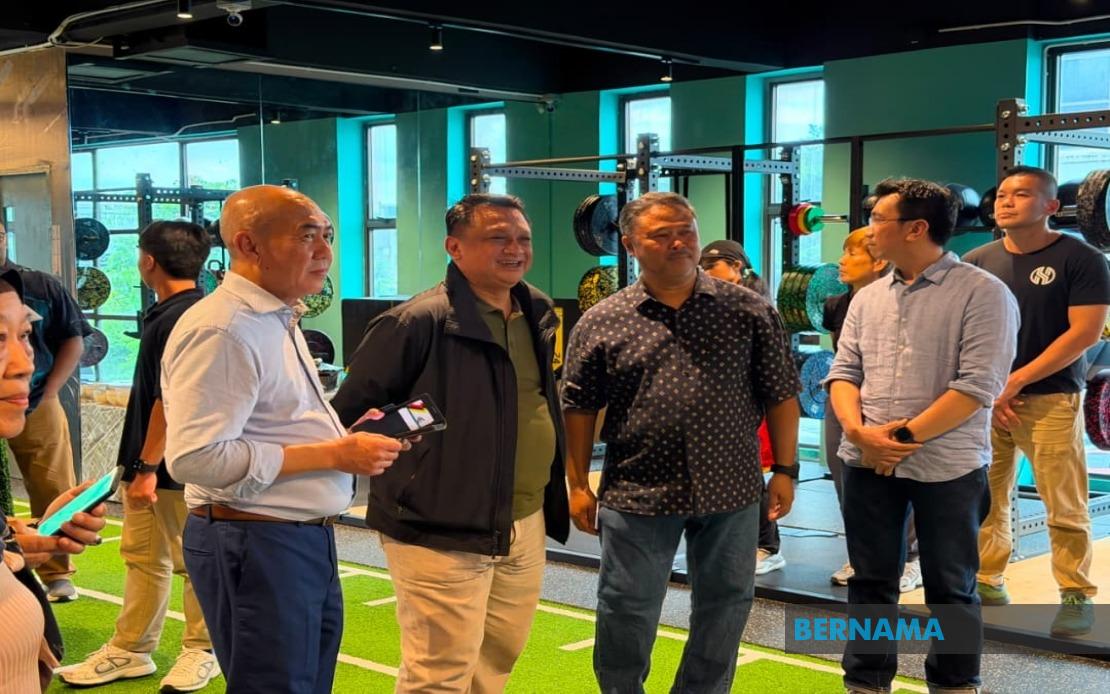
Malaysia's growing cohort of senior citizens remains largely unaware of how structured strength training can dramatically lower their risk of debilitating falls and fractures, according to Dr Adibah Ali, owner of FitLab gymnasium in Kuching. Speaking after a royal visit to her facility by the Raja Muda of Perlis, Tuanku Syed Faizuddin Putra Jamalullail, Dr Adibah underscored a critical gap between the rising prevalence of elderly fall injuries and public understanding of preventative measures. With Malaysia's population ageing steadily, the consequences of this knowledge gap are substantial both for individuals and the healthcare system bearing the cost of emergency interventions and prolonged hospitalisations.
Dr Adibah, a consultant breast and endocrine surgeon by training, brings two decades of frontline clinical experience to her advocacy. Her hospital years repeatedly exposed her to the tragic cascade that befalls elderly patients after falls—fractures requiring surgery, prolonged bed rest leading to muscle wasting, loss of independence, and diminished quality of life. These observations crystallised her conviction that prevention through targeted muscle conditioning represents far more than a wellness trend; it is a practical intervention addressing a genuine public health challenge. The transition from medical practitioner to fitness entrepreneur reflects her determination to move beyond merely treating fall injuries in hospital wards to actually forestalling them in the community.
The mechanism behind strength training's protective effect is straightforward yet often overlooked. Muscle tissue provides the structural support and neuromuscular control necessary for balance, stability, and safe movement. As people age, they naturally lose muscle mass—a process called sarcopenia—which accelerates if activity levels decline. This deterioration compromises the ability to catch oneself during a stumble, climb stairs without risk, or simply navigate uneven surfaces with confidence. By systematically working against resistance, elderly individuals rebuild the muscular reserves that translate directly into safer mobility, reduced fall frequency, and maintained independence in performing everyday tasks like carrying groceries or ascending stairs.
Crucially, Dr Adibah is careful to distance strength training for seniors from bodybuilding or aesthetic muscularity. The goal is functional resilience, not physique transformation. Appropriate resistance exercise protects bone density, stabilises joints, and enhances proprioception—the body's sense of its position in space. These adaptations accumulate gradually but reliably, yielding compounding benefits that extend far beyond the gymnasium. For Malaysia's senior population, many of whom navigate homes with stairs, rural or uneven terrain, or face the physical demands of caring for grandchildren or managing household tasks, this functional capacity translates into genuine autonomy and dignity in later life.
Recognising the untapped potential in Sarawak's elderly demographic, Dr Adibah is developing specialised strength classes tailored to senior participants, acknowledging that conventional fitness programming often fails to address the specific needs, capabilities, and anxieties of older adults. Her plans to partner with Pusat Aktiviti Warga Emas (PAWE) represent a strategic bridging of the gap between medical knowledge and community infrastructure. PAWE's existing network and legitimacy within elderly circles provide an ideal platform for introducing fitness concepts that might otherwise seem intimidating or irrelevant to seniors accustomed to more sedentary lifestyles.
Sarawak's Deputy Minister of Youth, Sports and Entrepreneur Development, Datuk Gerald Rentap Jabu, reinforced the urgency of this initiative, highlighting that citizens aged 50 and above constitute a rapidly expanding segment of Sarawak's population. Rentap emphasised that encouraging active lifestyles among seniors extends beyond physical exercise to encompass holistic wellbeing, including cognitive engagement through activities like chess. This integrated perspective aligns with emerging evidence that physical activity and mental stimulation work synergistically to maintain health, independence, and life satisfaction in advanced age. The royal patronage extended by the Raja Muda of Perlis's visit to FitLab underscores the issue's broader significance beyond individual health into the realm of state priority and social responsibility.
Malaysia's healthcare infrastructure already grapples with escalating demand from fall-related injuries among the elderly, straining emergency services, orthopaedic departments, and rehabilitation facilities. Hip fractures, spinal compression injuries, and head trauma from falls generate substantial public health expenditure while often precipitating permanent disability, institutional placement, or mortality in affected individuals. Prevention through community-based strength training represents a comparatively inexpensive intervention delivering measurable returns in reduced hospitalisation, maintained functional independence, and sustained quality of life. From a policy perspective, investing in elderly fitness programming yields economic benefits alongside the moral imperative to protect vulnerable populations.
The regional context further amplifies these concerns. Southeast Asia broadly faces the demographic transition accompanying economic development, with elderly populations expanding across the region. Singapore, Thailand, and Indonesia grapple with similar challenges of fall-related morbidity and mortality among seniors. Solutions emerging in Malaysia, particularly innovative partnerships between private fitness providers, government agencies, and community organisations like PAWE, carry potential applicability across neighbouring countries navigating identical demographic shifts.
Implementing Dr Adibah's vision requires not merely creating exercise classes but fundamentally reshaping cultural attitudes toward ageing, fitness, and medical prevention. Many elderly Malaysians inherited worldviews where strenuous activity in later life seemed inappropriate or dangerous, contrary to current medical consensus. Overcoming this generational inertia demands patient education, trusted messengers within elderly communities, and tangible demonstrations of benefit. Success in Kuching and Sarawak could establish a replicable model adaptable to other Malaysian states and beyond, gradually normalising strength training as a cornerstone of healthy ageing rather than an optional luxury.
The royal visit by the Raja Muda of Perlis and his family, combined with government representation from Sarawak's sports ministry, signals institutional recognition of this issue's importance. Moving forward, translating such recognition into sustained funding, policy support, and community engagement represents the critical next step. For Malaysia's elderly population—numbering in the millions and growing—the difference between frailty and functional independence often hinges on decisions made today about movement, muscle, and prevention. Dr Adibah's advocacy offers a practical pathway toward healthier, more independent later years for those willing to embrace it.

