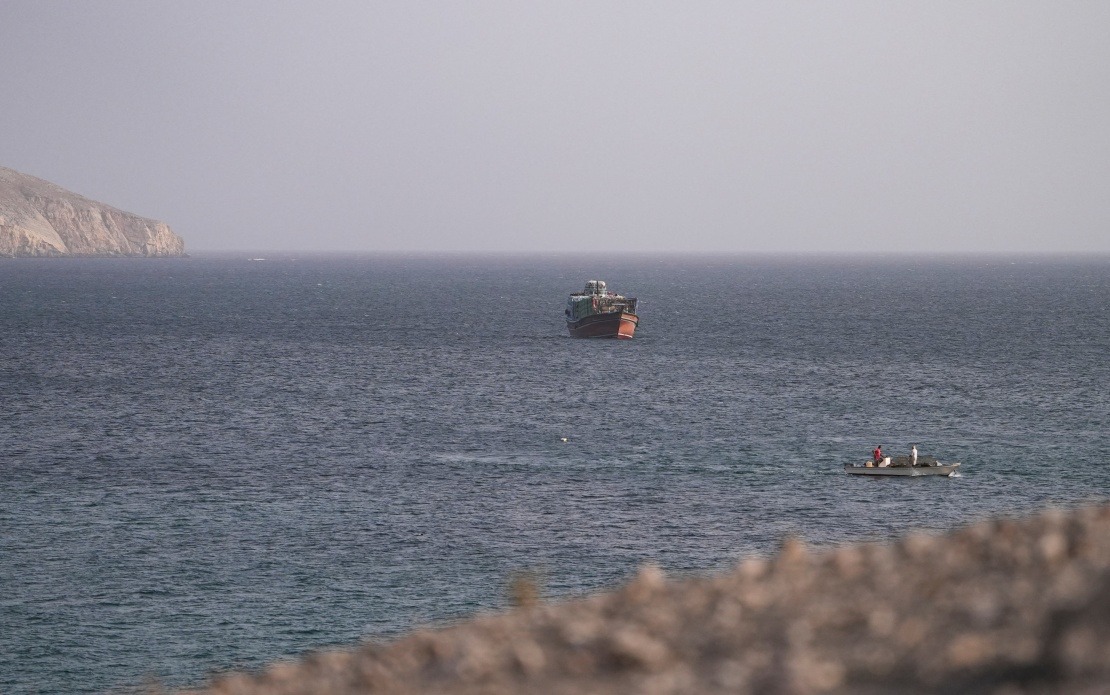
Iran will not permit the Strait of Hormuz to revert to its pre-war operational framework, according to Foreign Ministry Spokesperson Esmaeil Baqaei, who cautioned that any agreement with Oman does not constitute a full reopening of the strategically vital waterway. Speaking on state television, Baqaei articulated Tehran's determination to maintain transformed conditions in the strait, marking a significant shift in regional maritime governance following the recent conflict.
The Iranian official elaborated that Tehran and Muscat have been engaged in extended negotiations to forge a comprehensive arrangement governing maritime safety and navigation through the Strait of Hormuz. These discussions, which commenced immediately after the ceasefire on April 8, represent an attempt to establish fresh protocols that differ fundamentally from arrangements that prevailed before the February 28 conflict. The involvement of Oman, sharing coastal responsibilities with Iran, underscores the bilateral nature of these negotiations and reflects international maritime law principles governing shared waterways.
Baqaei stressed that Iran's Foreign Minister Abbas Araghchi prioritised Oman as the destination for his first international visit following the war, demonstrating the diplomatic significance Tehran attaches to establishing a coordinated approach with its Gulf neighbour. During these high-level exchanges with the Sultan of Oman and his foreign minister, discussions centred on crafting durable solutions for the strait's future management, particularly establishing secure passages for international shipping. This emphasis on direct engagement with Oman signals Iran's preference for bilateralism over multilateral involvement in resolving maritime security concerns.
Crucially, Baqaei noted that the memorandum of understanding terminating the conflict explicitly allocates responsibility for the strait's future management to Iran, operating in consultation with Oman and through dialogue with other regional stakeholders. This contractual framework provides the legal foundation for Iran's negotiating position and reflects recognition of Iran's sovereign rights over the waterway. The specificity of this arrangement distinguishes the current negotiations from previous international frameworks that may have constrained Iranian decision-making authority.
A striking aspect of Baqaei's remarks involved the abruptly truncated implementation period. He disclosed that during the initial 22 to 23 days of agreement implementation, the northern passage functioned securely with regular maritime traffic flowing unimpeded. However, before the full 30-day restoration window elapsed, an unspecified aggressive act against Iran disrupted these arrangements, effectively constraining the restoration of pre-war navigation patterns. This sequence suggests that external parties may have deliberately undermined the stabilisation process, a claim with implications for regional security and international maritime freedom.
Perhaps most notably, Baqaei indicated that the eventual maritime route through the Strait of Hormuz will constitute an entirely novel passage, distinct from both existing northern and southern shipping lanes. This conceptual innovation represents a fundamental reconfiguration of Hormuz geography rather than a simple restoration of previous conditions. The creation of a mutually agreed corridor between Iran and Oman could establish unprecedented protocols governing vessel monitoring, security clearances, and passage procedures, potentially establishing new precedents for shared maritime governance in contested waters globally.
The Iranian spokesperson emphasised that these bilateral arrangements remain insulated from third-party interference, explicitly rejecting external involvement in determining the strait's future status. This assertion directly addresses international concerns about potential restrictions on global shipping and signals Iran's unwillingness to subordinate maritime decisions to external diplomatic pressure. The framing positions Iran and Oman as sole legitimate authorities over the waterway's operation, challenging conventional assumptions about international maritime access.
Security constitutes the paramount concern underlying Iran's negotiating stance. Baqaei articulated that preventing misuse of the strait by states having conducted military aggression against Iran requires mechanisms guaranteeing full respect for Iranian sovereign authority. This language reflects Tehran's determination to establish protective mechanisms preventing recurrence of hostile activities while maintaining legitimate maritime commerce. The emphasis on sovereignty suggests Iran may seek operational control mechanisms that would allow discriminatory treatment of vessels from hostile nations, a position potentially conflicting with international maritime law principles.
Addressing external pressure, Baqaei dismissed American threats as ineffective, noting that Iran had already endured multiple high-intensity military operations and would not modify its policies through intimidation or psychological operations. He characterised American social media statements, particularly claims by President Donald Trump regarding Iranian de-escalation efforts, as unsubstantiated propaganda designed to manipulate international opinion. This rhetorical positioning frames Iran as a resolute actor immune to coercive diplomacy, though observers note this may reflect strategic posturing rather than actual insensitivity to external constraints.
The Iranian diplomat highlighted recent diplomatic contacts from Bulgaria, the United Kingdom, and Ukraine, suggesting continued international engagement despite tensions. He reiterated Iran's position that countries providing military support, bases, or logistical assistance to hostile parties would face responsibility for aggression consequences. This warning carries implications for regional states navigating between American and Iranian spheres of influence, establishing potential costs for participation in anti-Iranian coalitions. Malaysia and other Southeast Asian nations trading through the Strait of Hormuz face decisions regarding alignment as these tensions persist.
Baqaei grounded Iran's stance in international law principles and legitimate self-defence rights, contending that sovereign nations must protect their security interests. He maintained that Tehran's decisions prioritise national welfare over external pressure, rejecting the notion that threats could force policy reversals. This rhetorical framework positions Iran as principled actor defending established international norms rather than revisionist power altering maritime governance.
Ultimately, Baqaei clarified that understanding between Tehran and Muscat regarding new maritime routes remains distinct from questions about whether the strait reopens or remains restricted. The strait's ultimate status, he suggested, hinges substantially on regional security developments and American actions going forward. This formulation leaves open possibilities for future escalation or de-escalation depending on external circumstances, suggesting that Iran retains flexibility in implementing agreed arrangements contingent upon perceived threat levels. For Malaysian shipping and regional commerce, this uncertainty regarding maritime access through the world's most critical oil chokepoint necessitates contingency planning and diversified logistics strategies.
The Iranian position reflects determination to convert temporary conflict-induced changes into permanent structural transformations limiting external influence over regional maritime governance. Whether international stakeholders and trading partners will accept these fundamental alterations remains uncertain, creating ongoing volatility affecting global energy supplies and international commerce flowing through Asian markets dependent on Gulf oil.

