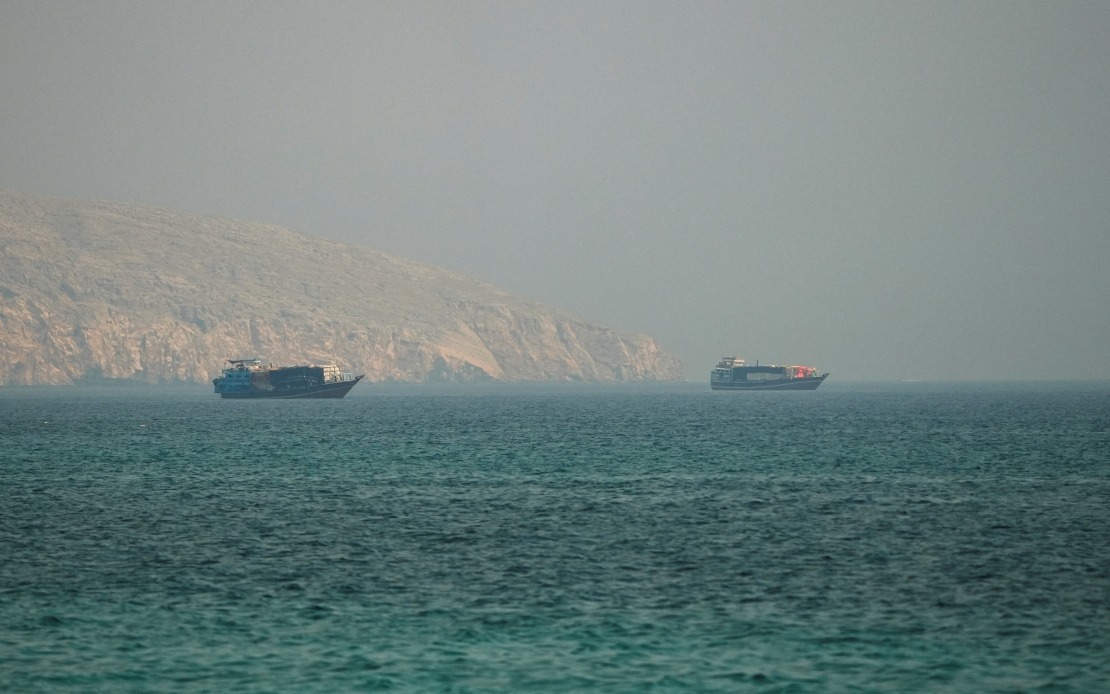
One of the world's most strategically vital waterways remains under a heightened security alert as regional tensions between the United States and Iran show little sign of abating. The UK Maritime Trade Operations issued a fresh advisory on Friday reiterating that the Strait of Hormuz—a chokepoint through which roughly one-third of global seaborne oil passes—continues to pose severe maritime risks to commercial traffic. The assessment reflects an uncomfortable reality for regional shipping operators and energy markets: the 33-mile-wide channel between Iran and Oman has become an active conflict zone where merchant vessels face unprovoked attacks amid a broader military standoff.
Through its Joint Maritime Information Centre, UKMTO acknowledged that despite the threats, southern passages through the strategic waterway have been expanded and remain officially open to all maritime traffic. This distinction carries important practical implications. Rather than imposing formal closures that would trigger immediate global supply chain disruptions, authorities have instead created alternative routes designed to reduce vessel exposure to danger zones. For shipping companies operating in the region, this means possessing detailed knowledge of designated corridors and understanding which waters offer marginally better protection—a distinction that comes with navigating complex geopolitical dynamics.
The advisory includes specific operational guidance for mariners transiting the congested waters. Vessels should anticipate radio contact from naval forces operating on very high frequency channels and maintain heightened situational awareness regarding designated mine-danger areas. Such instructions reveal the multi-layered security apparatus now governing passage through Hormuz, where international naval presences attempt to maintain some semblance of maritime order amid hostile conditions. For Malaysian shipping companies and regional carriers, compliance with these protocols has become routine, yet the precautions underscore the genuine physical hazards rather than merely theoretical risks.
Recent weeks have witnessed a troubling escalation in direct attacks against commercial shipping, transforming what was once primarily a geopolitical concern into an immediate operational challenge. These incidents have triggered tit-for-tat military responses between Washington and Tehran, each side claiming defensive justification while intensifying operations. The United States has conducted multiple strikes targeting Iranian military installations and infrastructure facilities, with American officials characterising these actions as proportionate responses to Iranian attacks on merchant vessels. This framing positions American military action as essentially reactive—defending commercial shipping from Iranian aggression—though such narratives remain contested and subject to fundamentally different interpretations depending on one's position within the regional power structure.
Iran's perspective on the maritime situation differs substantially from Western accounts. Tehran maintains that vessels must coordinate with Iranian authorities before transiting the Strait and refuses to accept alternative routes that circumvent Iranian-designated passages. This position reflects Iran's broader claim to significant influence over navigation through waters adjacent to its territory, a stance rooted in sovereignty assertions but also in its capacity to enforce such claims through military means. In response to American military operations, Iran has deployed drone attacks targeting American military facilities throughout the Gulf region and even reaching into Jordan, demonstrating an ability to project force far beyond the immediate Hormuz vicinity.
The cycle of escalation has created genuine uncertainty about the trajectory of regional security. Last month, Iran and the United States negotiated a memorandum of understanding brokered through Pakistani mediation, ostensibly aimed at halting their military confrontation and establishing durable peace arrangements. The initiative represented a fleeting moment of diplomatic engagement, suggesting that both parties recognised the risks inherent in further escalation. However, the practical value of such agreements remains questionable when implementation mechanisms lack enforcement capabilities and underlying strategic interests remain fundamentally misaligned. Current hostilities continue despite the memorandum, indicating that diplomatic frameworks alone cannot override the military momentum and political imperatives driving each side's behaviour.
For Southeast Asian nations including Malaysia, the implications of sustained Hormuz instability extend well beyond abstract geopolitical concerns. The region depends significantly on stable energy supplies, with crude oil transiting through the Strait constituting a substantial portion of import requirements across the Association of Southeast Asian Nations. Any prolonged disruption or successful blockade of the waterway would trigger immediate energy price spikes affecting manufacturing competitiveness, transportation costs, and overall economic growth. Malaysian refineries and petrochemical industries maintain supply chains deliberately structured around reliable Hormuz passage, making contingency planning increasingly relevant for corporate risk managers throughout the region.
The insurance and maritime sectors have responded to persistent threats through elevated premiums and operational modifications that effectively increase transit costs. Shipping companies face difficult decisions regarding whether to route vessels through Hormuz despite security risks or divert around Africa—a journey requiring 10-14 additional days and substantially higher fuel consumption. These calculations reflect the genuine operational burden that regional instability imposes on global commerce, creating a hidden tax on international trade that ultimately reaches consumers through slightly higher prices and extended delivery schedules. Malaysian port authorities and logistics providers have begun incorporating Hormuz risk premiums into their planning assumptions.
The military dimensions of current tensions reveal the limits of traditional deterrence models in preventing accidental escalation. Both the United States and Iran possess sophisticated military capabilities, yet neither side appears to exercise complete command and control over all actors within their respective spheres of influence. Proxy forces, independent militant groups, and decentralised command structures create scenarios where lower-level military encounters could spiral into broader conflicts despite stated intentions at higher political levels. This structural vulnerability within existing deterrence architecture suggests that even successful diplomatic efforts may prove insufficient without addressing underlying security dilemmas driving competitive military buildups.
Looking forward, the sustainability of current arrangements remains deeply uncertain. The expanded southern routes through Hormuz represent a temporary accommodation to persistent insecurity rather than a genuine resolution of underlying tensions. As long as fundamental strategic competition between the United States and Iran continues alongside disagreements over maritime sovereignty and navigation rights, the risk environment will likely persist. Regional states including Malaysia should anticipate extended elevated threat levels affecting commercial shipping, necessitating revised supply chain assumptions and contingency planning focused on energy diversification and alternative trade corridors wherever feasible. The Strait of Hormuz's return to normalcy appears contingent on broader regional diplomatic breakthroughs that remain elusive despite periodic negotiation attempts.

