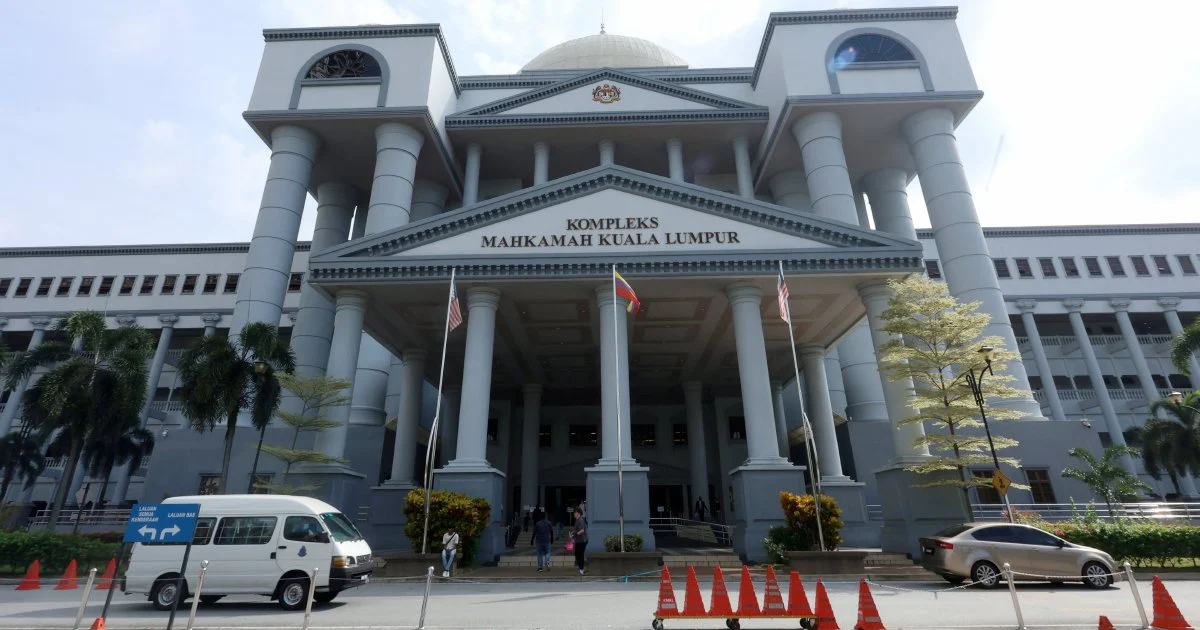
A high-ranking official heading a statutory body appeared before the Sessions Court in Kuala Lumpur to face serious charges of corruption involving sums exceeding RM1 million. The chief executive officer stands accused of allegedly soliciting and receiving bribes in connection with sports facility contracts, marking a significant development in Malaysia's ongoing anti-corruption efforts.
The charges represent a stark reminder of how corruption can penetrate institutions established to serve the public interest. Statutory bodies, which play a crucial role in managing public funds and delivering essential services across Malaysia, must maintain the highest standards of integrity and transparency. When leaders of such organisations are implicated in graft, it undermines public confidence in governance and raises questions about institutional oversight and accountability mechanisms.
The specifics of the RM1 million in alleged bribes suggest a pattern of substantial impropriety rather than isolated incidents. Sports facility development, in particular, remains an area vulnerable to corruption schemes, where project contracts can involve significant government expenditure and multiple layers of bureaucratic approval. The involvement of a chief executive officer amplifies concerns, as such individuals typically hold responsibility for ensuring ethical standards throughout their organisations.
Malaysia has intensified its commitment to combating corruption in recent years through strengthened enforcement by the Malaysian Anti-Corruption Commission and heightened judicial scrutiny. High-profile cases involving public officials have become more visible, reflecting both improved detection capabilities and a genuine determination by authorities to prosecute wrongdoing at senior levels. This case contributes to a growing body of precedent demonstrating that no official is above the law, regardless of their position or institutional rank.
The allegations carry particular weight given the public nature of the accused's role. Statutory body leaders are entrusted with managing resources on behalf of the state and citizens. When such individuals abuse their positions for personal gain through bribery, they directly subvert the democratic principle that public office exists to serve collective interests. This case will likely influence how institutions review their internal controls and procurement processes.
The sports sector, while vital for national health and social cohesion, has occasionally been vulnerable to corrupt practices. Infrastructure projects related to sports facilities can attract significant tender values, creating opportunities for collusion between officials and contractors. The emergence of allegations at the statutory body level suggests that corruption risks permeate various layers of sports administration and management.
For Malaysian readers and Southeast Asian observers, this prosecution underscores the importance of robust institutional independence in anti-corruption agencies. The ability to investigate and prosecute senior officials without political interference remains essential to credibility and effectiveness. Regional neighbours frequently observe Malaysia's handling of high-profile graft cases as a barometer for the country's commitment to the rule of law.
The financial magnitude of the alleged bribery—exceeding RM1 million—warrants careful examination of how such sums were transferred and concealed. The investigation likely involved forensic accounting and financial tracing, demonstrating the sophisticated methods now employed in modern anti-corruption work. Understanding the mechanisms of bribery in this case may illuminate vulnerabilities in procurement and financial management systems elsewhere in the public sector.
Institutional reforms often follow high-profile corruption cases. This prosecution may prompt other statutory bodies to conduct internal audits of their procurement practices, strengthen whistleblower protections, and implement enhanced transparency measures. Such preventive measures are ultimately more valuable than prosecution alone, as they create systemic barriers to corrupt behaviour.
The court proceedings will draw scrutiny not only from governance advocates but also from international observers monitoring Malaysia's anti-corruption trajectory. Developed democracies and developing economies alike benefit from studying how jurisdictions handle cases involving senior institutional leaders, particularly regarding evidentiary standards, sentencing guidelines, and the balance between punishment and deterrence.
The case also carries implications for public trust in Malaysia's sports administration. Citizens and potential investors in sports infrastructure need confidence that projects proceed through fair and transparent processes. When corruption allegations emerge, they can cast shadows over legitimate initiatives and discourage genuine contractors from competing fairly.
As the Sessions Court deliberates on these seven charges, the broader significance extends beyond the individual defendant. This prosecution contributes to a longer-term narrative about whether Malaysia's institutions can effectively police themselves and whether public accountability mechanisms function adequately. The outcome may influence how other organisations approach internal governance and risk management.
The case represents a critical juncture in Malaysia's anti-corruption journey, demonstrating both the capacity to detect wrongdoing at senior levels and the willingness to pursue justice through established legal channels.