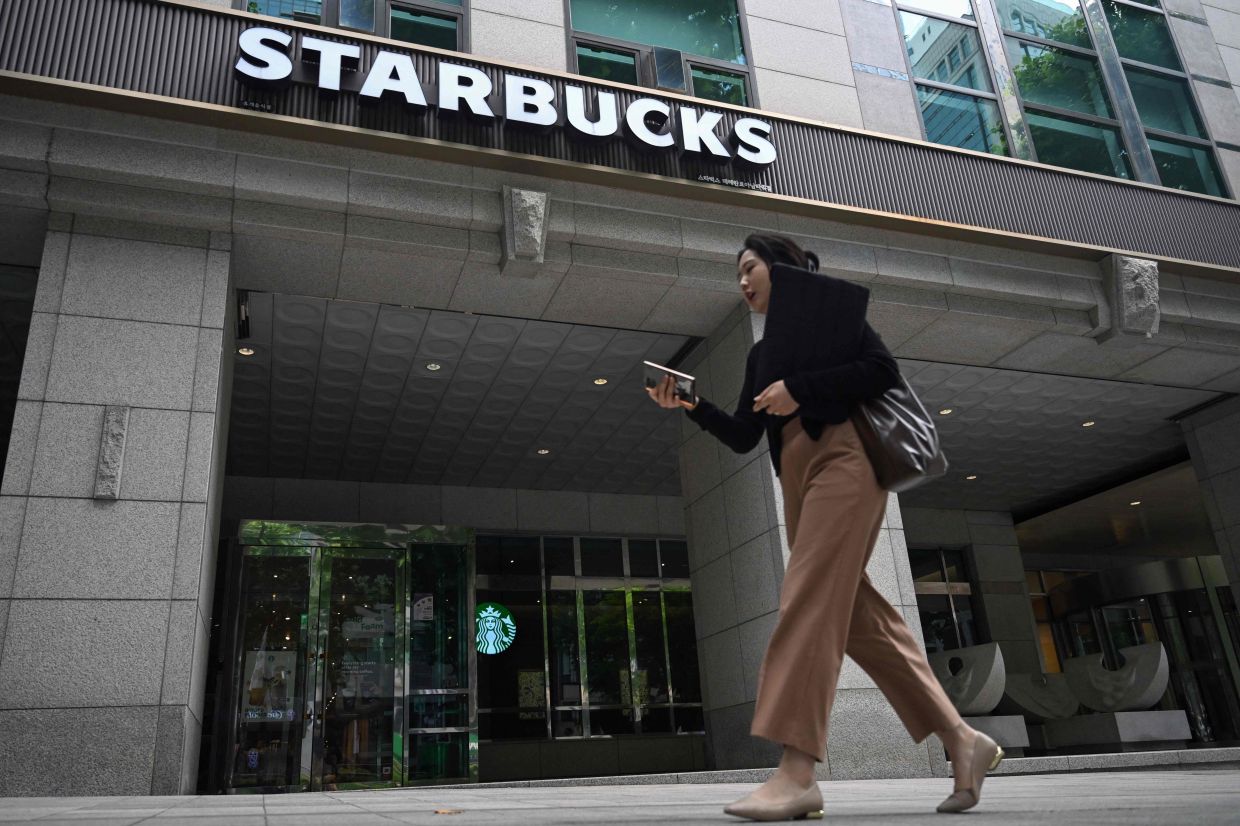
Starbucks Korea announced Monday that all of its more than 2,000 outlets will close simultaneously for three hours on June 22 to provide staff with compulsory education on historical awareness and cultural sensitivity. The unprecedented nationwide shutdown marks the first time since the company entered the South Korean market in 1999 that all stores have ceased operations at the same time.
The decision follows significant public outcry over a reusable cup promotion launched on May 18, which coincided with the 46th anniversary of the Gwangju uprising—a 1980 pro-democracy demonstration where 165 civilians were officially reported killed, though many observers contend the actual death toll was considerably higher. The promotional campaign, branded as "Tank Day," drew widespread criticism for its apparent insensitivity to this dark chapter in Korean history.
Shinsegae Group, which operates Starbucks under licence in South Korea, responded swiftly to the scandal by terminating its Korea chief executive on the day the controversy emerged. The company subsequently issued a formal apology and commissioned an investigation into the circumstances surrounding the ill-conceived campaign. Findings revealed multiple oversights in the approval process, including executives endorsing marketing materials without thoroughly reviewing design elements and the absence of legal vetting.
The fallout triggered public demonstrations in Seoul and Gwangju, causing what the operator characterized as a "sharp decline in sales" during the initial stages of the crisis. Political figures including President Lee Jae Myung denounced the promotion as disgraceful. Airport outlets will remain exempt from the closure to maintain service continuity.
Employees will receive training through educational videos focusing on historical context and heightened awareness of social and cultural issues. Shinsegae representatives confirmed that the three-hour closure beginning at 3pm on June 22 will affect the entire Starbucks Korea network, representing a significant corrective measure by the company.