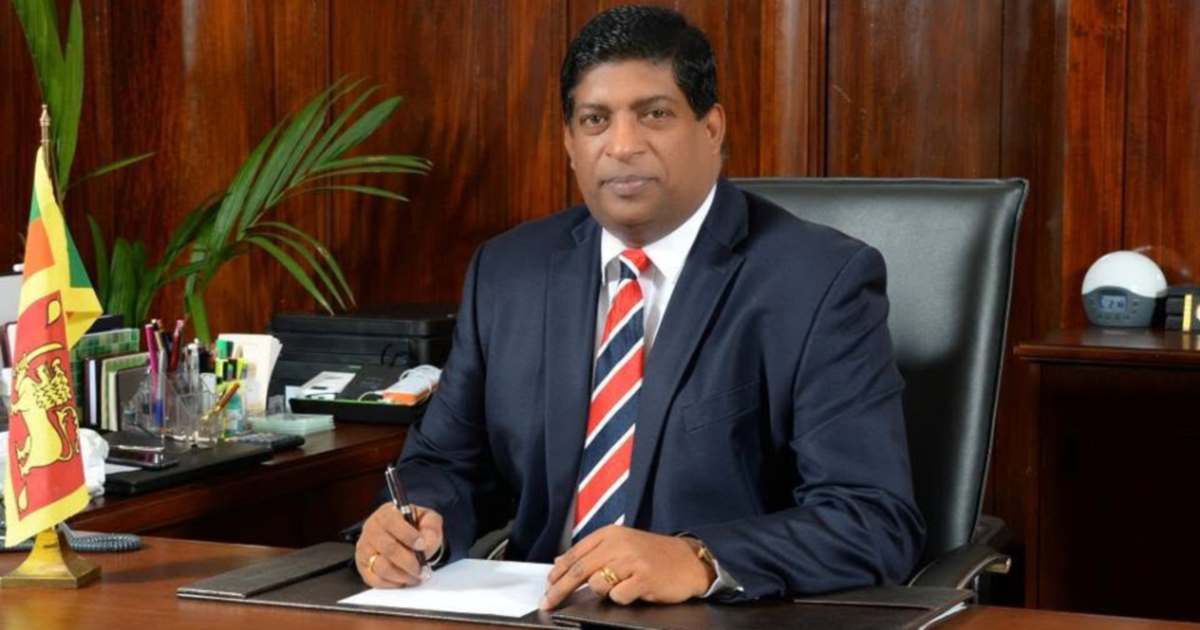
Sri Lanka's former finance minister Ravi Karunanayake was taken into custody on Monday as investigators moved against him over claims that he improperly channelled government resources towards paying personal employees, according to statements from the country's leading anti-corruption watchdog. The arrest represents another significant development in a series of investigations targeting top-tier officials in the cash-strapped nation, which has faced mounting scrutiny over the management of public finances.
The alleged misconduct underscores persistent concerns about financial governance and accountability at the highest levels of Sri Lanka's administration. Karunanayake held the influential finance ministry portfolio during a period when the country grappled with severe macroeconomic challenges, including a foreign exchange crisis and substantial debt servicing obligations. The timing of his arrest comes as the government attempts to restore international confidence and secure ongoing financial support from bilateral and multilateral partners.
Anti-corruption authorities in Colombo have increasingly intensified their focus on senior officials in recent months, signalling a broader institutional effort to address systemic governance issues. The specific allegations against Karunanayake centre on the allegedly improper use of state budgetary allocations for expenses that should have remained within the private sphere. Such cases carry particular sensitivity in Sri Lanka, where public frustration over mismanagement of resources contributed to significant political turbulence in 2022.
The ramifications of this arrest extend beyond individual accountability. International observers, including creditors and development partners, closely monitor Sri Lanka's anti-corruption efforts as part of their assessment of the country's commitment to institutional reform. Successful prosecution of high-profile cases demonstrates to the International Monetary Fund and other stakeholders that the administration is serious about addressing governance deficiencies that contributed to the nation's economic crisis.
Karunanayake's detention also highlights the challenges that prosecutors face in building corruption cases against entrenched political figures in Sri Lanka. While the arrest itself is a procedural step, establishing conclusive evidence of wrongdoing through Sri Lanka's somewhat cumbersome legal system remains a complex undertaking. Previous high-profile cases have sometimes stalled at various stages of prosecution, leading to public scepticism about the consistency of anti-corruption enforcement.
For Malaysian observers, the situation in Sri Lanka offers a cautionary perspective on the vulnerabilities inherent in public financial management systems across South Asia. The misallocation of state resources through mechanisms such as improperly classified employee expenses represents a sophisticated form of appropriation that institutions throughout the region must vigilantly guard against. Malaysia's own anti-corruption framework, including the Malaysian Anti-Corruption Commission's purview, faces similar investigative challenges in uncovering and prosecuting comparable offences.
The arrest also occurs within a context of broader institutional strain in Sri Lanka's justice system. The country continues to balance competing demands for accountability, rehabilitation of its international reputation, and the preservation of political stability. Senior officials facing detention naturally attract the attention of their political allies, creating potential pressure on prosecutors and courts to moderate their zeal. This dynamic complicates straightforward application of the rule of law.
Economic considerations further complicate the political fallout from Karunanayake's arrest. Sri Lanka remains under significant IMF programme conditions and requires external financing to stabilise its currency reserves and resume normal economic growth. International observers will assess whether the government's anti-corruption actions appear driven by genuine institutional commitment or are politically motivated. This perception matters considerably for the country's ability to attract private investment and maintain creditor confidence.
The allegations also touch on broader questions about the line between legitimate government operations and personal enrichment. Public officials in developing economies sometimes utilise state resources for activities that blur the distinction between official and private operations. Establishing clear legal boundaries and enforcing consequences for transgression remains foundational to rebuilding trust in state institutions after periods of acute economic and political crisis.
Looking forward, the outcome of Karunanayake's case will provide important signals about Sri Lanka's institutional capacity and political will to hold senior figures accountable. For other nations in Southeast Asia and South Asia monitoring governance developments, the trajectory of this case—from arrest through trial to final disposition—will offer lessons about both the possibilities and limitations of anti-corruption enforcement in the region. The case underscores the necessity of independent judiciaries and autonomous anti-corruption agencies capable of resisting political interference.

