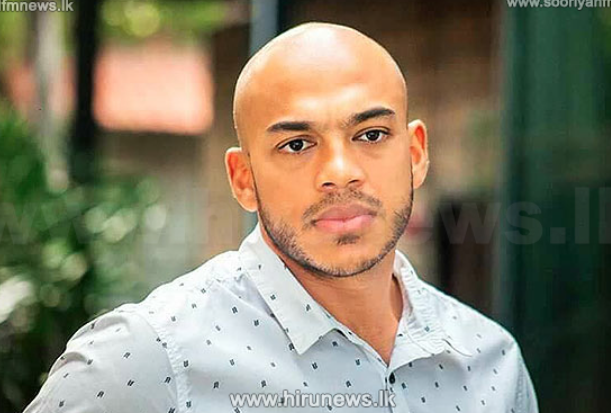
The arrest of Yoshitha Rajapaksa this week represents a significant moment in Sri Lanka's post-election accountability efforts. The 38-year-old naval officer was taken into custody on corruption charges stemming from his use of government resources for advanced military training abroad, according to the country's Bribery Commission. The detention comes as part of a broader governmental push to prosecute members of the Rajapaksa family, whose political dominance defined Sri Lankan politics for nearly two decades before their power unravelled amid economic catastrophe.
The specific allegations against Yoshitha centre on his advancement through naval ranks despite allegedly lacking the minimum required qualifications for his positions. Investigators contend that he subsequently accessed state funding to attend an elite officer training programme, a privilege ostensibly reserved for candidates who had earned their places through merit-based selection. His attendance at Dartmouth, Britain's prestigious naval college, has become the focal point of the investigation, with critics arguing that his placement there displaced a qualified naval cadet who had legitimately earned admission to the course.
Prior to this week's arrest, Yoshitha had already been ensnared in multiple legal entanglements. He faced charges related to money laundering in two separate cases and had been subject to restrictions on international travel. He was released on bail in previous proceedings, but the Bribery Commission's decision to detain him this week reflects the escalating nature of investigations into his conduct. The commission's statement emphasised that he is accused of aiding and abetting in his own recruitment process, suggesting a pattern of institutional capture rather than isolated misconduct.
The timing of his father Mahinda Rajapaksa's presidency, which lasted from 2005 to 2015, provides crucial context for understanding the controversy. During those years, the Rajapaksa family wielded extraordinary political influence, controlling multiple government portfolios and directing state resources with limited oversight. Yoshitha's naval career advanced significantly during this period, and critics argue that nepotism rather than military competence determined his progression. The government funding for his British training thus becomes symbolic of a broader pattern of resource misallocation that characterised that era.
Yoshitha faces additional criminal proceedings relating to his failure to adequately explain the financial sources behind his property acquisitions while his father held presidential power. In one case, he claimed to have raised funds by selling gemstones that his grandaunt had gifted him, but investigators noted the grandaunt could not account for how she had obtained the precious stones in the first place. This suspicious explanation has formed the basis for ongoing prosecution. He is also implicated in a separate case concerning his involvement in purchasing a television network, raising further questions about his access to substantial capital during a period when his family controlled state finances.
The renewed vigour in prosecuting the Rajapaksa family reflects a fundamental shift in Sri Lankan political dynamics. President Anura Kumara Dissanayake secured electoral victory in 2024 explicitly on an anti-corruption mandate, promising voters that his administration would dismantle the apparatus of impunity that had protected the once-dominant clan. This electoral commitment has translated into concrete judicial action, with multiple family members and their close associates now facing various charges including corruption, embezzlement, and even murder accusations. These cases, accumulated over years, now move forward with apparent governmental backing.
Mahinda Rajapaksa himself, though not directly implicated in Yoshitha's current charges, remains a figure of intense scrutiny. His younger brother Gotabaya Rajapaksa, who assumed the presidency in 2019, experienced a more precipitous fall from power. Gotabaya fled Sri Lanka in 2022 following a popular uprising triggered by a catastrophic economic collapse that saw the country face acute shortages of fuel, medicines, and food. He subsequently returned to face potential prosecution but obtained a foreign travel ban earlier this month. Most significantly, Gotabaya now faces the prospect of arrest concerning his alleged role in security failures related to the Easter Sunday bombings of 2019, which claimed 279 lives and represented one of the deadliest terrorist attacks in South Asian history.
The prosecution of the Rajapaksa clan carries broader implications for Sri Lankan governance and regional political dynamics. The family's fall from grace demonstrates how rapidly political fortunes can reverse in the subregion, particularly when economic mismanagement combines with allegations of institutional corruption. For Malaysia and other Southeast Asian democracies, the Sri Lankan experience illustrates both the dangers of concentrated executive power and the potential for democratic institutions to reassert accountability, albeit through contentious and protracted legal processes. The cases against Yoshitha and other family members will likely extend through the courts for years, creating sustained scrutiny of the patronage networks that enabled their rise.
The detention of Yoshitha Rajapaksa thus represents more than a single arrest; it signals the dismantling of the protection previously extended to a political dynasty that once appeared unassailable. Whether these prosecutions ultimately result in meaningful convictions and punishment will significantly influence public confidence in Sri Lankan institutions and potentially reshape the country's political landscape for the coming decade.