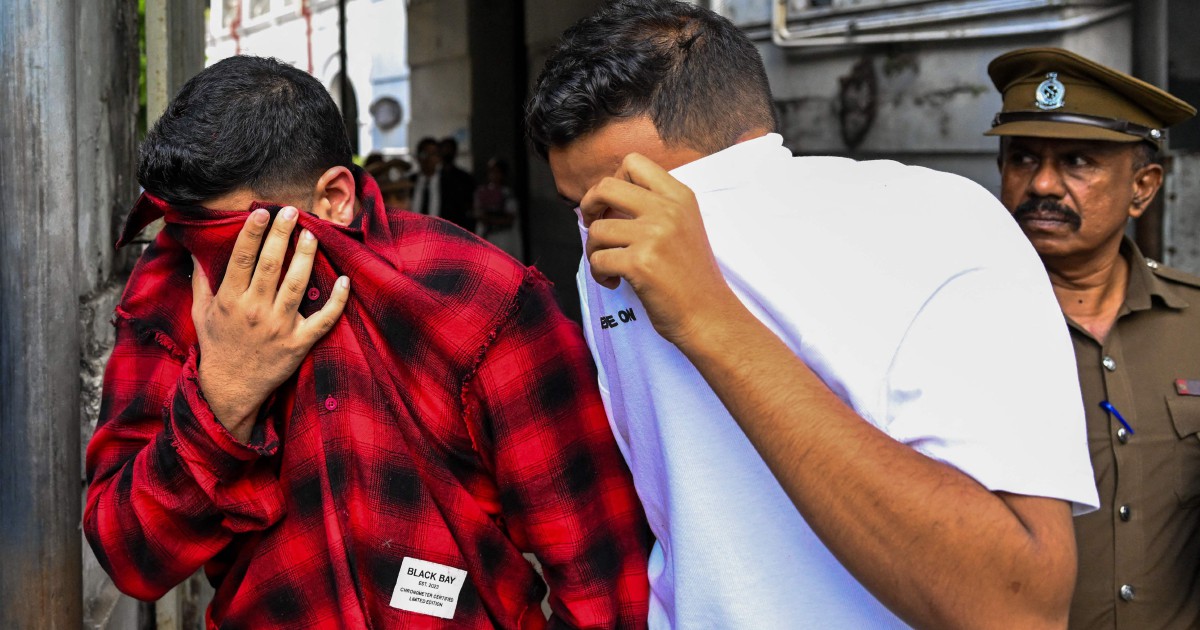
A Colombo court has directed that an Indian businessman serving as co-owner of a Lanka Premier League franchise remain in custody, following his arrest on allegations of orchestrating a match-fixing scheme that would have involved bribing five players. The judicial decision, handed down on Friday, mandates his detention until the conclusion of the month as investigators pursue the case.
The episode represents a significant blow to the credibility of Sri Lanka's premier domestic Twenty20 competition, which has positioned itself as a modern, investor-backed alternative to traditional cricket formats. The LPL, which launched in 2021 with substantial backing from international stakeholders, has sought to establish itself alongside other franchise-based leagues across South Asia. The involvement of a team co-owner—rather than external fixers—in alleged corruption schemes raises uncomfortable questions about governance and oversight mechanisms within the tournament structure.
Match-fixing remains a persistent threat to cricket's integrity across the region. Sri Lanka has previously grappled with corruption scandals that tarnished the sport's reputation, from historical incidents involving national players to more recent concerns within domestic competitions. The allegation that a man in a position of authority within the LPL attempted to suborn players suggests that institutional safeguards may require strengthening, particularly in franchise-based formats where financial interests intersect directly with competitive outcomes.
The targeting of five players indicates a potentially coordinated effort rather than opportunistic misconduct. For match-fixing schemes to succeed, conspirators typically need to compromise multiple team members to ensure the desired result materializes in an unpredictable sport. The scale of the alleged bribery attempt underscores both the financial resources available to potential fixers and the substantial sums apparently needed to compromise professional cricketers in the modern era.
For Malaysian cricket followers and the broader Southeast Asian sporting community, this scandal carries cautionary implications. Malaysia has aspirations to develop its own franchise-based cricket competitions, and incidents in neighbouring countries often influence policy decisions and regulatory approaches domestically. The LPL controversy serves as a case study in the vulnerabilities that emerge when private capital drives tournament organization, particularly when international investors may not be subject to the same regulatory scrutiny as domestic operators.
The Sri Lankan cricket authorities will face pressure to demonstrate that they can adequately police the competition and protect its integrity. Cricket's governing bodies across Asia have increasingly adopted sophisticated monitoring systems, including information-sharing protocols with law enforcement and international cricket bodies. However, the effectiveness of these measures depends partly on the willingness of franchise owners and team management to cooperate fully with investigations and comply with regulatory requirements.
The court's decision to remand the accused reflects judicial confidence that sufficient evidence exists to warrant further investigation. In many jurisdictions, magistrates hesitate to order custody extensions without prima facie grounds, suggesting that investigators have presented compelling preliminary findings. The timeline established by the court—detention through month's end—provides a window for authorities to gather additional evidence, interview witnesses, and potentially secure statements from the allegedly targeted players.
The cricket establishment in Sri Lanka must now confront broader institutional questions. How thoroughly are franchise owners vetted before obtaining ownership stakes? What mechanisms exist to monitor financial transactions and suspicious activity within teams? Are there adequate education programmes for players on recognizing and resisting corruption approaches? These operational gaps, if confirmed by investigation, will need addressing to prevent future incidents.
International cricket bodies, including the International Cricket Council, maintain corruption and match-fixing as priority concerns. Sri Lanka's domestic authorities will likely engage with these international partners as the case progresses, particularly if evidence emerges of coordination with fixers operating across borders. Such cooperation has proven essential in previous cases, as corruption networks frequently span multiple countries and jurisdictions.
For players in the LPL and other South Asian franchise competitions, the case underscores both the temptations and consequences of match-fixing involvement. Professional cricketers occupy a precarious position where financial offers might seem attractive, yet participation in corruption results in career-ending bans and potential criminal liability. Educational initiatives emphasizing these realities have become standard practice in modern cricket, though the persistence of fixing allegations suggests that existing messages require reinforcement.
The incident also highlights tensions within franchise cricket between entertainment spectacle and sporting authenticity. When institutional actors—those ostensibly responsible for maintaining competition integrity—become implicated in corruption, public confidence erodes rapidly. Fans invest emotional and financial commitment based on assumptions that matches are contested fairly. The revelation that team ownership itself may have been compromised threatens the legitimacy that franchise leagues depend upon for commercial viability.
As the investigation unfolds, the case will generate significant attention within cricket circles across South Asia and beyond. The outcome—whether the accused faces conviction and what sentences are imposed—will send signals about the consequences of match-fixing attempts at the franchise level. Authorities in Sri Lanka and neighbouring countries monitoring proceedings will calibrate their own anti-corruption strategies accordingly, seeking to either adopt effective deterrents or rectify vulnerabilities exposed by this scandal.
The detention order represents merely the opening chapter of what promises to be a complex legal and investigative process. As evidence accumulates and the case progresses through Sri Lanka's judicial system, further details will emerge about the scope of the alleged scheme, the identities of those involved, and the systemic weaknesses that permitted such corruption attempts to occur at the governance level of a major domestic cricket competition.

