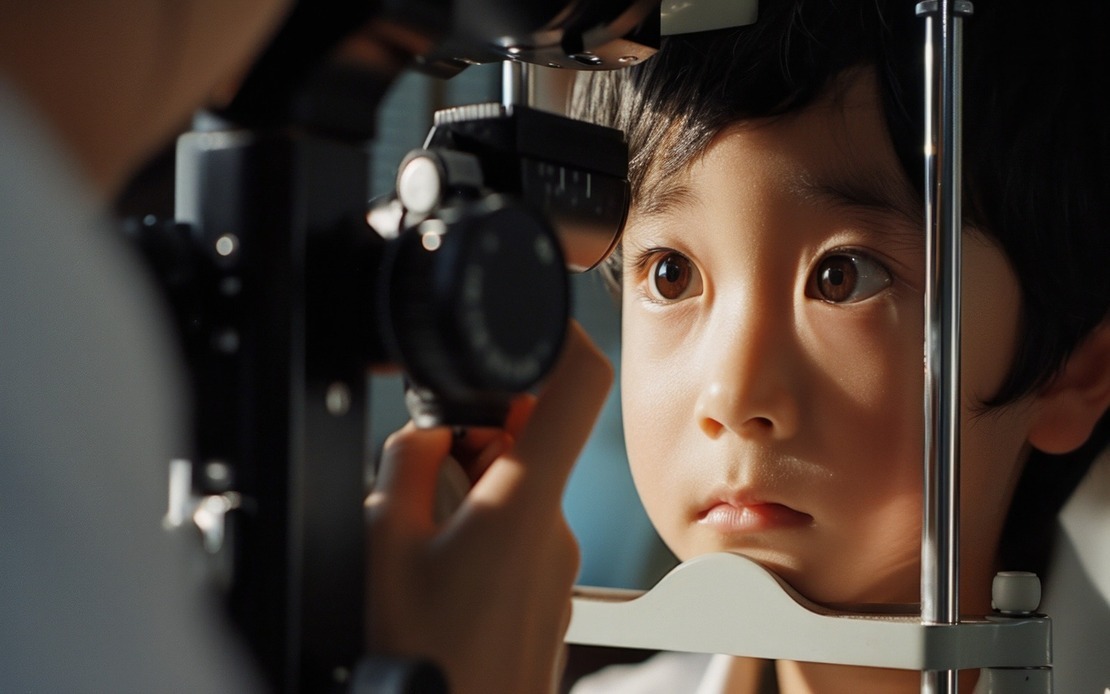
Vision problems that go undetected in childhood can have cascading effects throughout a person's life, yet many Malaysian families remain unaware of screening guidelines that could prevent permanent damage. Dr Fazilawati A Qamarruddin, a consultant ophthalmologist and paediatric eye specialist at Sunway Medical Centre in Sunway City, is urging parents and adults to prioritise regular eye examinations as a preventive health measure, noting that conditions such as strabismus and cataracts remain widespread but frequently overlooked across different age groups in the country.
Strabismus, commonly known as squinting or cross-eyes, occurs when the eyes fail to align properly, with one eye directed toward a different point than the other. This misalignment disrupts the brain's ability to process visual information correctly, compromising depth perception and potentially affecting academic performance and social confidence during critical developmental years. The condition often stems from uncorrected refractive errors—such as myopia or hyperopia—but can also indicate more serious underlying issues including nerve damage, neurological disorders, brain tumours, or orbital masses. Adults who develop sudden squinting or experience double vision require urgent evaluation to rule out neurological complications.
The prevalence of strabismus deserves particular attention in the Malaysian context. Global research suggests that between two and four per cent of children experience this condition, a figure that translates into thousands of Malaysian children when applied to local population data. Yet many cases remain invisible to parents and educators until they manifest as declining academic results or social withdrawal. Dr Fazilawati emphasises that this diagnostic gap represents a critical public health opportunity, as early intervention can prevent the cascade of complications that emerge when the condition persists untreated.
Left untreated, strabismus frequently leads to amblyopia, colloquially termed lazy eye, where the brain gradually suppresses input from the misaligned eye and strengthens reliance on the stronger eye. Over time, this neural preference becomes entrenched, and the weaker eye loses functional vision despite having structurally intact components. The window for reversing amblyopia narrows significantly after early childhood, making timely detection essential. Dr Fazilawati recommends vision screening by age three and again before primary school entry, identifying these moments as critical junctures for intervention.
Parents observing specific behavioural signs should seek professional evaluation without delay. Children who tilt their heads habitually, squint frequently, position themselves unusually close to screens, or report persistent headaches warrant comprehensive eye examinations. Early detection through simple prescription glasses can mean the difference between maintaining normal vision throughout life and accepting preventable visual impairment. The financial and quality-of-life benefits of early intervention far exceed the modest cost of screening and corrective measures.
Cataracts represent the second major concern Dr Fazilawati highlights, particularly affecting Malaysians aged over sixty, though the condition can emerge earlier in individuals with diabetes, those with smoking histories, or those with significant sun exposure. The clouding of the natural lens creates progressive visual degradation characterised by cloudy vision, glare sensitivity, colour fading, and nocturnal driving difficulties. Many seniors delay seeking treatment, accepting visual decline as inevitable aging rather than a treatable medical condition.
Modern cataract management has undergone remarkable transformation through technological advancement. Phacoemulsification, the contemporary surgical standard, employs ultrasound energy to emulsify the opaque lens through a minimal incision typically measuring three millimetres or less. This micro-invasive approach dramatically reduces recovery duration compared to older surgical techniques requiring larger incisions. Many procedures now qualify as same-day surgery, with patients resuming light activities within one week and achieving full visual restoration within two weeks. The improved recovery profile removes a significant barrier that previously deterred elderly patients from pursuing treatment.
Screen-related eye strain represents an emerging concern that Dr Fazilawati identifies as particularly pressing for Malaysian children and teenagers. Extended periods of close-range device use contribute to progressive myopia, a condition becoming increasingly common among younger generations across Asia. The ophthalmologist recommends implementing the 20-20-20 rule—focusing on objects approximately twenty feet away for twenty seconds after every twenty minutes of screen engagement—to mitigate accommodation fatigue and reduce strain-related vision changes. This simple behavioural intervention offers cost-free protection against screen-induced refractive error progression.
Systematic screening protocols should become integrated into routine health management across the lifespan. Children require vision assessment before formal schooling begins, establishing a baseline and identifying any refractive errors requiring correction during the critical learning period. Adults should commence comprehensive eye examinations from age forty onward, as presbyopia and other age-related changes begin emerging. Individuals with diabetes warrant annual screening protocols, as diabetic retinopathy can progress rapidly but remains treatable when caught early, making detection schedules essential rather than optional.
The broader significance of this preventive approach extends beyond individual health outcomes to encompassing educational equity and economic productivity. Children with undetected vision problems face invisible barriers to learning, potentially misdiagnosed as having learning disabilities when the underlying issue remains purely optical. Working-age adults suffering from cataracts or uncorrected refractive errors experience reduced productivity and increased accident risk. Seniors with visual impairment lose independence and face increased fall risk, burdening both families and healthcare systems with preventable complications.
Dr Fazilawati's advocacy reflects a fundamental shift in how Malaysia should approach eye health as a population-level priority rather than an individual concern. The infrastructure exists—optometrists, ophthalmologists, and screening programmes operate throughout the country—yet public awareness remains insufficient. Many Malaysians postpone eye examinations indefinitely, accepting visual compromise as normal aging rather than recognising treatable conditions requiring intervention. This knowledge gap represents the primary barrier to improving eye health outcomes across the nation, more significant than access or affordability limitations in most urban and suburban settings.

